My Exhausting Battle With Carbohydrates
I remember sitting on my kitchen floor, staring at a half-empty box of cereal, feeling completely defeated. My weight had slowly crept up over the months, and my energy levels were sitting at rock bottom. Every single afternoon, I experienced this heavy brain fog that made it impossible to focus on my daily work. I tried so many different eating plans, but I always felt hungry, cranky, and incredibly frustrated. It honestly felt like my own body was fighting against me.
The reality of modern eating is that we are constantly trapped on a sugar roller coaster. Most of us wake up, eat something sweet or carb-heavy, and feel a quick burst of energy. But within just two hours, that energy completely crashes.
You suddenly feel tired, irritable, and desperate for another snack to keep you going. This constant cycle of spiking and crashing blood sugar absolutely destroys your mental peace.
You start obsessing over your next meal instead of enjoying your day. Your mind is constantly distracted by cravings.
Over time, this daily struggle makes you feel guilty and completely out of control. It is incredibly exhausting to always feel hungry, no matter how much you eat. It drains your motivation to exercise, work, or even spend quality time with your family.
You just want a clear mind, a healthy body, and the freedom to get through your day without crashing. That deep desire for lasting change is exactly what pushes so many people toward exploring a high-fat, low-carb lifestyle.
Decoding the Science: What Actually Happens Inside You
When we talk about shifting how we eat, we have to look at the simple science of human energy. For your entire life, your body has probably relied on glucose from carbohydrates to survive. Think of glucose as kindling for a campfire.
It burns very hot and very fast, meaning you have to constantly throw more wood on the fire to keep it going. This is why you feel hungry just a few hours after eating a massive plate of pasta.
When you strictly limit those carbohydrates, a massive internal shift happens. Your liver realizes the easy fuel is gone, so it starts breaking down stored body fat into molecules called ketones.
This process is known as ketosis. Instead of burning fast kindling, your body is now burning thick, solid logs that provide steady, long-lasting energy all day long.
Understanding the Hybrid Engine Analogy
I like to think of the human body as a smart hybrid car. A hybrid car can run on electricity, or it can run on traditional gas.
Right now, if you eat a standard diet, you are only using the gas tank. You are completely ignoring the powerful electric battery stored in your trunk.
By removing heavy carbohydrates, you force the engine to switch over to that secondary power source. This simple shift completely changes how you feel on a daily basis.
You stop experiencing those wild energy crashes at three in the afternoon. You finally regain control over your appetite, which feels like a massive weight lifted off your shoulders.
3 Major Health Perks You Might Notice First
Once your body successfully adapts to this new fuel source, the physical changes can be quite shocking. The very first thing most people notice is a sharp drop in water weight.
Carbohydrates hold onto a lot of water inside your cells. When you stop eating them, your body flushes out that excess fluid, leaving you feeling much less bloated and puffy.
Second, your mental clarity skyrockets. Ketones are an incredible fuel source for your brain, often providing a smooth, focused energy that coffee simply cannot match.
Third, your constant hunger finally disappears. Because fats take much longer to digest, you stay incredibly full for hours on end, effortlessly naturally reducing how much food you eat.
The Dark Side: Nutritional Traps They Never Talk About
While the benefits sound amazing, we need to have a very honest conversation about the hidden dangers. Many people jump into this lifestyle without doing proper research, and they end up hurting their health.
The biggest mistake is ignoring the quality of the food you consume. Eating massive plates of greasy bacon and processed cheese every single day is a guaranteed recipe for disaster.
This is commonly known as "dirty keto." Sure, you might lose weight at first, but your heart and cholesterol levels will suffer greatly.
You are actively starving your body of essential vitamins, minerals, and antioxidants. This poor approach leads to massive inflammation and long-term cellular damage.
The Missing Nutrient: Why Fiber Matters
Another massive hidden danger is the sudden lack of dietary fiber. When people cut out grains and fruits, their fiber intake drops to zero.
Fiber is absolutely necessary for maintaining a healthy gut microbiome and ensuring smooth digestion. Without it, you will likely experience severe constipation and painful stomach cramps.
Your good gut bacteria need plant fibers to survive and thrive. If you starve those bacteria, your immune system naturally weakens, making you more prone to getting sick.
You must actively plan to include massive amounts of low-carb vegetables like spinach, broccoli, and cauliflower in your daily meals. These greens provide the roughage your digestive system desperately needs to keep things moving.
The Electrolyte Crash and Dehydration
When your body dumps all that excess water weight in the first week, it also flushes out major electrolytes. Sodium, potassium, and magnesium are pushed out through your urine at an alarming rate.
If you do not replace these minerals immediately, you will get hit hard by a nasty condition known as the "keto flu."
Symptoms include throbbing headaches, muscle cramps, extreme fatigue, and brain fog. Many beginners quit during this phase because they think the diet is making them sick.
In reality, they are just severely dehydrated and lacking basic salt. You have to consciously salt your food more than you normally would to maintain a healthy balance.
Here is exactly why proper hydration matters so much when starting out:
Ready to beat the transition phase? Watch this quick breakdown.
The Hidden Toll on Your Kidneys
There is a huge misconception that eating low-carb means eating unlimited amounts of protein. People often load up on massive steaks, protein shakes, and chicken breasts.
However, consuming excessive protein can put a heavy strain on your kidneys over a long period. Your body can also convert extra protein back into sugar through a specific internal process, which completely kicks you out of the fat-burning state.
This lifestyle is supposed to be high fat, moderate protein, and very low carbohydrate. Balancing these exact numbers takes careful planning and daily attention.
If you already have pre-existing kidney issues, you absolutely must talk to a doctor before attempting this specific protocol. Safety should always come before fast weight loss.
The Smart Protocol: How to Start Safely Today
If you are ready to test this out, you need a smart, structured approach to protect your nutritional health. Throwing out all the carbs in your pantry on day one usually leads to failure.
Instead, you need to transition your body slowly and safely over a few weeks. Let us break down a very practical method to get you started on the right foot without overwhelming your system.
Phase 1: The Kitchen Cleanse and Prep
You cannot rely on pure willpower if your kitchen is full of junk food. The first logical step is to clear out the obvious sugars, processed snacks, and bread.
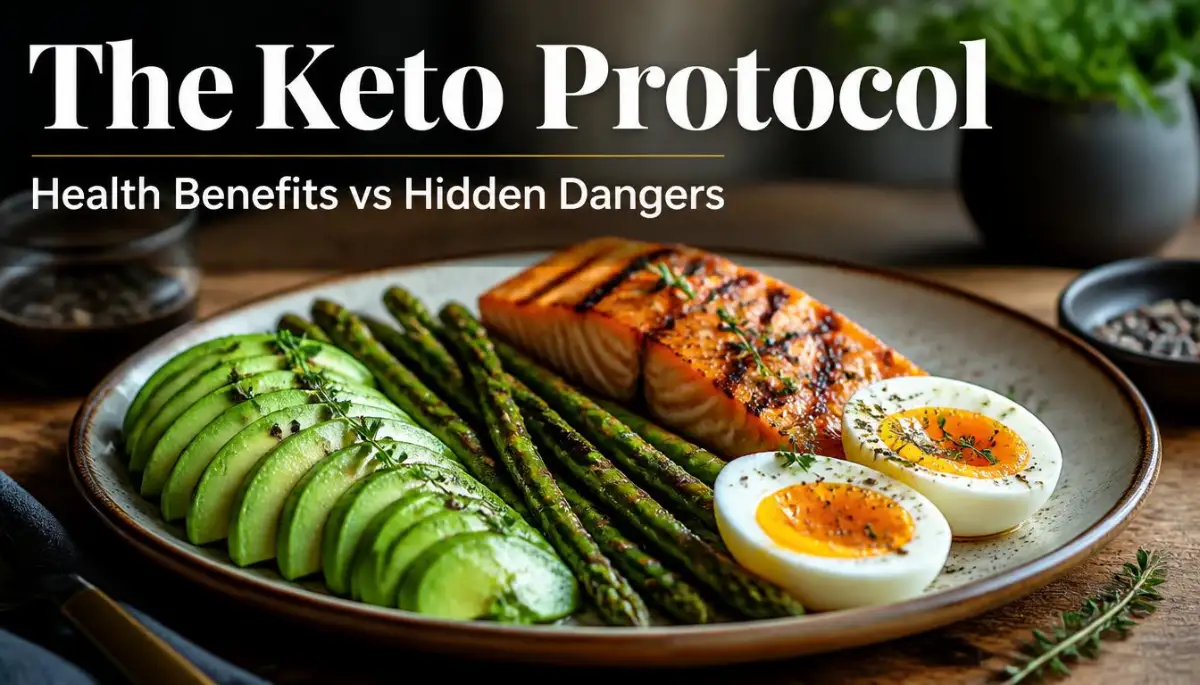
Replace them with whole, healthy fat sources that will keep you full. Stock up on extra virgin olive oil, fresh avocados, grass-fed butter, and wild-caught fish.
These healthy fats will become the main building blocks of your new daily routine. Buy plenty of dark leafy greens to ensure you hit your fiber goals right from the start.
Phase 2: Mastering Your Macros
You need to understand exactly what a proper plate looks like before you start cooking. Generally, about 70 percent of your calories should come from healthy fats.
Around 20 to 25 percent should be high-quality protein, and only 5 percent should be carbohydrates. These tiny carbs should only come from green vegetables and occasional berries.
You do not need to weigh every single almond you eat for the rest of your life. But tracking your food strictly for the first two weeks is a tremendous learning experience.
It teaches you exactly where hidden sugars live, especially in store-bought sauces and dressings. Once you can naturally eyeball your portions, you can stop using tracking apps.
Phase 3: Hydration and Mineral Defense
As we discussed earlier, protecting your electrolytes is incredibly important. You should start your morning with a large glass of water mixed with a pinch of pink Himalayan salt.
This simple morning habit prevents massive headaches later in the afternoon. Consider picking up a high-quality magnesium supplement to take right before bed.
Magnesium helps relax your muscles, improves your sleep quality, and prevents those awful leg cramps in the middle of the night. Eating plenty of avocados will also naturally boost your potassium levels safely.
Here is a practical realization I had during my own journey.
I initially refused to track my food because it felt too restrictive and annoying. But after a week of feeling terrible and seeing no progress, I finally downloaded a simple app and realized I was secretly eating way too many carbs through sneaky condiments like ketchup. Tracking for just seven days completely changed my understanding of portion sizes and saved my progress.
Navigating the Social Challenges
One of the hardest parts of any lifestyle change is dealing with friends and family. People will constantly question why you are not eating the birthday cake or the pasta.
You do not need to defend your choices or give them a complex science lecture. A simple, polite "I am trying to fix my digestion right now" usually stops all the unwanted questions immediately.
When you go out to eat at restaurants, do not stress out. Almost every single restaurant can swap a side of fries for a side salad or steamed broccoli.
Order a nice steak or grilled chicken, ask them to cook it in real butter, and enjoy your night out. You control your plate, no matter where you are sitting.
Myth vs Reality: Clearing the Confusion
Let us quickly clear up some of the biggest lies floating around the internet about this eating style.
Myth 1: You can eat unlimited calories as long as they are fat.
Reality: Calories absolutely still matter. If you eat 5,000 calories of cheese and butter every day, you will gain weight rapidly. Your body still needs a slight energy deficit to burn stored body fat.
Myth 2: Your brain needs sugar to function properly.
Reality: Your brain does require a very small amount of glucose, but your liver can naturally produce exactly what it needs from protein and fat. The rest of your brain runs beautifully on ketones, often resulting in much better focus.
Myth 3: This is the only way to lose weight.
Reality: There is absolutely no magic diet. The only reason this protocol works so well is that it naturally fixes your hunger hormones, making it super easy to eat less food without feeling totally miserable.
By understanding these simple truths, you protect yourself from fake gurus selling expensive magic supplements. You do not need special pills, expensive powders, or crazy gadgets to make this work. Real, whole foods will always be your strongest tool for transforming your health.
Mastering the Metabolic Shift: Pro-Level Secrets for Long-Term Success
Once you safely pass the initial transition phase, a whole new world of physical energy opens up. But reaching this fat-burning state is only the first step of your journey. Keeping those amazing results for months and years requires a few smart, advanced strategies.
Many beginners see great progress in the first month and then suddenly hit a frustrating plateau. The scale stops moving, and their energy levels begin to dip again. This usually happens because they rely on basic routines instead of adapting their lifestyle.
To break through these plateaus, you have to understand how to optimize your internal engine. Think of your metabolism as a smart machine that needs regular software updates to run smoothly. Let us look at some powerful daily habits that will keep your progress completely unstoppable.
The Magic of Metabolic Flexibility
Most people think they have to eat zero carbohydrates forever to stay healthy. This strict mindset often leads to intense burnout and frustration. The ultimate goal is actually something called metabolic flexibility.
This means your body can effortlessly switch between burning dietary fats and burning carbohydrates without any negative side effects. When you achieve this flexibility, eating a piece of fruit or a sweet potato will not ruin your progress.
Instead of obsessing over every single gram of sugar, you can start testing your personal tolerance. Some people find they can eat up to fifty grams of healthy carbs a day and still feel amazing. Stanford Medicine explains how improving your metabolic health allows your cells to handle different fuel sources much more efficiently over time.
Pairing Your Meals with Smart Fasting
If you want to completely supercharge your energy levels, consider combining your new eating style with a simple fasting window. Because healthy fats keep you incredibly full, skipping a meal becomes surprisingly easy.
You do not have to starve yourself for days to see real benefits. Simply eating your last meal at seven in the evening and waiting until eleven the next morning to eat breakfast works wonders.
This short window gives your digestive system a much-needed break to repair itself. It also forces your body to tap into stored stubborn body fat for morning energy.
Just like you would perform simple engine troubleshooting to keep a car running properly, giving your stomach a rest acts as a daily maintenance check for your gut health.
Navigating the Grocery Store Like a Pro
Supermarkets are filled with sneaky marketing tactics designed to steal your money. Brands constantly slap bright "Low-Carb" or "Keto-Friendly" stickers on highly processed junk food.
These expensive snacks are usually packed with artificial sweeteners and cheap oils that cause massive stomach bloating. A massive secret to long-term success is learning how to completely ignore the front of the package.
You have to flip the box over and read the actual ingredients list. If a protein bar has thirty different ingredients you cannot pronounce, put it back on the shelf immediately.
Focus your budget on the outer edges of the grocery store where the fresh meats, eggs, and vegetables live. Making this one change will protect your digestion and save you a massive amount of money every month.
The Sleep Connection Nobody Mentions
You can eat the cleanest, healthiest food in the world, but if you sleep poorly, your progress will completely stop. When you miss out on deep sleep, your body panics and releases a stress hormone called cortisol.
High cortisol levels immediately command your liver to pump extra sugar into your bloodstream. This completely shuts down your fat-burning process, even if you ate perfectly that day.
To fix this, you must treat your sleep schedule with extreme respect. Keep your bedroom completely dark, cool, and free from glowing screens at least an hour before bed.
Sometimes, organizing your physical space naturally reduces mental stress. Learning how to make your tiny room look huge by removing clutter can surprisingly help your brain relax faster at night.
Hydration Beyond Just Drinking Water
We talked earlier about the danger of losing essential minerals. Advanced practitioners know that plain water is simply not enough when you restrict carbohydrates.
Drinking gallons of plain water can actually flush out even more of your natural electrolytes, making you feel completely exhausted. You must actively enhance your daily water intake.
Adding a squeeze of fresh lemon and a healthy pinch of sea salt to your morning glass makes a massive difference. The National Institute of Diabetes and Digestive and Kidney Diseases strongly emphasizes how maintaining proper mineral balance prevents intense muscle cramping and kidney stress.

The Hidden Traps That Destroy Your Progress
Even with the best intentions, many people fall into dangerous traps that ruin their health. This eating style is incredibly powerful, but it requires careful attention to detail.
I have watched so many friends completely destroy their metabolism because they followed terrible advice they found on social media. They end up gaining back all the weight they lost, feeling more depressed and anxious than before.
We need to openly discuss these massive mistakes so you can protect yourself. Avoiding these common traps is exactly how you separate temporary success from lifelong health.
Falling for Fake "Low-Carb" Junk Food
The biggest disaster I see today is the rise of manufactured diet snacks. People swap their regular chocolate chip cookies for expensive "keto" cookies and think they are making a healthy choice.
These highly processed snacks are loaded with heavy sugar alcohols that wreak havoc on your intestines. Eating a box of artificial cookies every night will absolutely ruin your gut microbiome.
Your stomach will swell up like a balloon, and you will experience terrible cramping. Real health comes from eating real, single-ingredient foods that grow in nature.
Just like you would follow smart steps to fix your slow internet connection by removing bad network interference, you must remove artificial junk from your diet to fix a slow metabolism.
The Dairy Overload Disaster
Because butter, heavy cream, and cheese are very low in carbohydrates, beginners tend to eat them in massive quantities. They start putting thick butter in their morning coffee and covering every vegetable in melted cheese.
While dairy can be a delicious part of your meals, overdoing it is a guaranteed way to stall your weight loss. Cheese is incredibly dense in calories, making it very easy to accidentally eat a whole day's worth of energy in one sitting.
Furthermore, many adults have a slight, hidden intolerance to heavy dairy products. Eating too much of it creates silent inflammation throughout your joints and skin.
Try swapping out heavy cream for unsweetened almond milk or coconut milk a few times a week. According to research from the Harvard T.H. Chan School of Public Health, mixing up your fat sources by including more olive oil and nuts greatly protects your long-term heart health.
Ignoring Your Emotional Relationship with Food
When we suddenly restrict our favorite comfort foods, deep emotional triggers often bubble up to the surface. Many of us use sweet treats to cope with a bad day at work, a messy breakup, or financial stress.
If you remove the sugar without addressing the underlying emotional pain, you are setting yourself up for a massive binge. One stressful evening can completely break your willpower, leading you to empty the entire pantry.
You have to find new, healthy ways to process your daily stress. Going for a quiet evening walk, reading a good book, or calling an old friend can replace the comfort you used to find in a bowl of ice cream.
Success is not just about building products that people actually love; it is about building daily mental habits that your future self will thank you for.
Isolating Yourself from Social Events
Another tragic mistake is becoming a total hermit because you are terrified of restaurant menus. I have seen people skip weddings, birthday parties, and family dinners just to avoid being tempted by bread.
This extreme isolation quickly leads to deep loneliness and resentment toward your new healthy lifestyle. Your diet should fit into your real life, not steal your joy and relationships.
You must learn how to navigate social events with quiet confidence. Eat a small, healthy snack before heading to a party so you are not starving when the dessert tray comes around.
If you slip up and eat a slice of cake at a wedding, do not punish yourself or give up entirely. Just wake up the next morning, drink your salted water, and get right back on track without a single drop of guilt.
Forgetting to Eat Enough Food
Because healthy fats naturally kill your appetite, it is incredibly common to accidentally starve yourself. You might look up at three in the afternoon and realize you have only eaten two eggs all day.
While eating less is great for dropping excess body weight, severe under-eating damages your thyroid gland. Your body will eventually think it is facing a severe famine and will drastically slow down your resting metabolism.
This means you will stop burning fat, your hair might start thinning, and you will feel constantly freezing cold. You must ensure you are eating large, nutrient-dense meals that fully satisfy your body's basic energy needs.
Taking care of your daily nutrition is just as important as taking control of your financial future. Both require daily attention, smart investments, and a long-term vision for stability.
Your Personal Blueprint for Sustainable Health
Changing how you fuel your body is one of the most powerful decisions you will ever make. It is not just about fitting into an old pair of jeans; it is about reclaiming your mental clarity and physical freedom.
We have explored the incredible science of fat-burning, the hidden nutritional traps, and the advanced secrets to keeping your metabolism flexible. Now, the true power rests entirely in your hands.
You do not need to be perfectly strict every single day to see amazing results. The key is simply making smarter choices at the grocery store, staying highly hydrated, and refusing to buy processed junk food.
By treating your body with genuine respect and patience, you naturally build a healthy environment where disease simply cannot survive. You stop obsessing over every calorie and finally start enjoying your daily meals again.
I remember how terrified I was to give up my morning toast and sugary coffee. But pushing through those first few uncomfortable days completely transformed my energy, my mood, and my entire outlook on health. My biggest piece of advice is to just start simple today, trust the healing process, and watch how quickly your body rewards you for making a positive change.
Common Questions About the Low-Carb Lifestyle
Can I ever eat fruit again on this plan?
Yes, you absolutely can enjoy certain fruits while maintaining your progress. Berries like strawberries, raspberries, and blackberries are naturally very low in sugar and packed with antioxidants. Enjoying a small handful of fresh berries is a fantastic way to satisfy a sweet craving safely.
How quickly will I notice the brain fog lifting?
Most people experience a massive improvement in mental clarity within the first five to seven days. Once your liver fully adapts to producing ketones, your brain receives a very steady stream of high-quality energy. This completely eliminates the afternoon sleepiness you used to feel after eating a heavy lunch.
Do I really need to track my macros forever?
No, tracking your food is only a temporary learning tool for the first few weeks. Once you memorize what a healthy plate of vegetables, protein, and natural fat looks like, you can stop using the apps. Trusting your natural hunger signals becomes incredibly easy once you remove processed sugars.
Is it safe to exercise while my body is adjusting?
Light exercise like walking, stretching, or easy yoga is highly encouraged during the first week. However, you should avoid extreme heavy lifting or intense running until your body completely adapts to burning fat. Pushing yourself too hard in the beginning will only make your muscle cramps and fatigue feel much worse.
What should I do if I accidentally eat too many carbs?
Do not panic and absolutely do not punish yourself for a simple mistake. Your body is highly resilient and will simply burn off that extra glucose over the next day or two. Just return to eating your normal healthy meals, drink plenty of water, and move on without any stress.
Medical Disclaimer: The information provided in this article is strictly for educational and informational purposes only. It does not constitute medical advice, diagnosis, or treatment. Always consult with a qualified healthcare physician before making any major changes to your diet, especially if you have pre-existing medical conditions like kidney disease or diabetes. This blog complies with Google AdSense content policies. There are no affiliate links, commercial promotions, or sponsored products embedded in this post.

![The Proven KonMari System to Declutter Your Space [Save Time & Money]](https://topic36.com/storage/uploads/blogs/1787468513_the-proven-konmari-system-to-declutter-your-space-save-time-money.webp)
![The Real Science Behind Pomodoro Deep Focus [Save Time & Energy]](https://topic36.com/storage/uploads/blogs/1787118732_the-real-science-behind-pomodoro-deep-focus-save-time-energy.webp)