The Frustrating Reality of the "Invisible Leak" in Your Wallet
Do you ever feel like you are throwing money out of the window every single month? You work hard, you try to save, and yet the utility bill arrives like a punch to the gut. It is a quiet stress that many of us face.
Imagine it is a freezing night. You have the heater running on high. But for some reason, you still feel a cold breeze against your ankles. You look at the thermostat, and it says it’s warm, but your skin says otherwise.
This is the reality for millions of homeowners. We pay for heat or cool air that simply doesn't stay inside. It escapes through the attic, the walls, and the tiny cracks around our doors.
It is more than just a money issue; it is about your peace of mind. Coming home should feel like entering a sanctuary. Instead, for many, it feels like a battle against the elements and a rising debt to the power company.
I remember talking to a neighbor who was terrified of the summer heat. Not because of the sun, but because her AC had to run 24/7 just to keep the house livable. She was exhausted, both mentally and financially.
We often ignore what we cannot see. Since insulation is hidden behind our walls, we forget it has a lifespan. We forget that old materials settle and lose their power to protect us.
It is time to stop the cycle of high bills and uncomfortable nights. You deserve a home that works for you, not against you. Let’s look at how we can fix this together.
Why Your Attic is Likely Stealing Your Hard-Earned Money
The attic is the biggest culprit when it comes to energy loss. Think of your home like a person wearing a warm coat but no hat on a cold day. Most of your heat rises and disappears right through the roof.
If your attic is not properly sealed, you are losing the battle before it even starts. Most older homes have insulation that is far below modern standards. Over time, these materials can pack down and become less effective.
You should check the depth of your attic insulation today. If you can see the wooden floor joists, you likely need more material. Adding just a few inches can make a world of difference in your monthly costs.
The Hidden Power of Air Sealing
Before you even think about adding new material, you must talk about air leaks. Insulation stops heat transfer, but it does not always stop airflow. These are two different problems that need the same level of attention.
Small gaps around pipes, wires, and light fixtures act like tiny chimneys. They suck the conditioned air out of your living space and push it into the attic. This makes your HVAC system work twice as hard to keep up.
Using a simple can of spray foam or some caulk can save you a lot of money. Focus on the "top plate" of your walls in the attic. This is where most of the invisible leaking happens.
Understanding R-Values Without the Confusion
When you go to a hardware store, you will see a lot of talk about "R-Value." This is just a simple way to measure how well a material resists heat flow. The higher the number, the better it performs.
Different parts of your house need different R-Values. For example, an attic usually needs a much higher rating than your basement walls. It depends on where you live and how cold or hot it gets.
Do not just buy the cheapest option. Look at the R-Value per inch. This helps you understand the true value of what you are putting into your home.
Comparing Common Insulation Materials
There are three main types of insulation you will likely encounter. Each has its own strengths and weaknesses. Choosing the right one depends on your budget and your specific home layout.
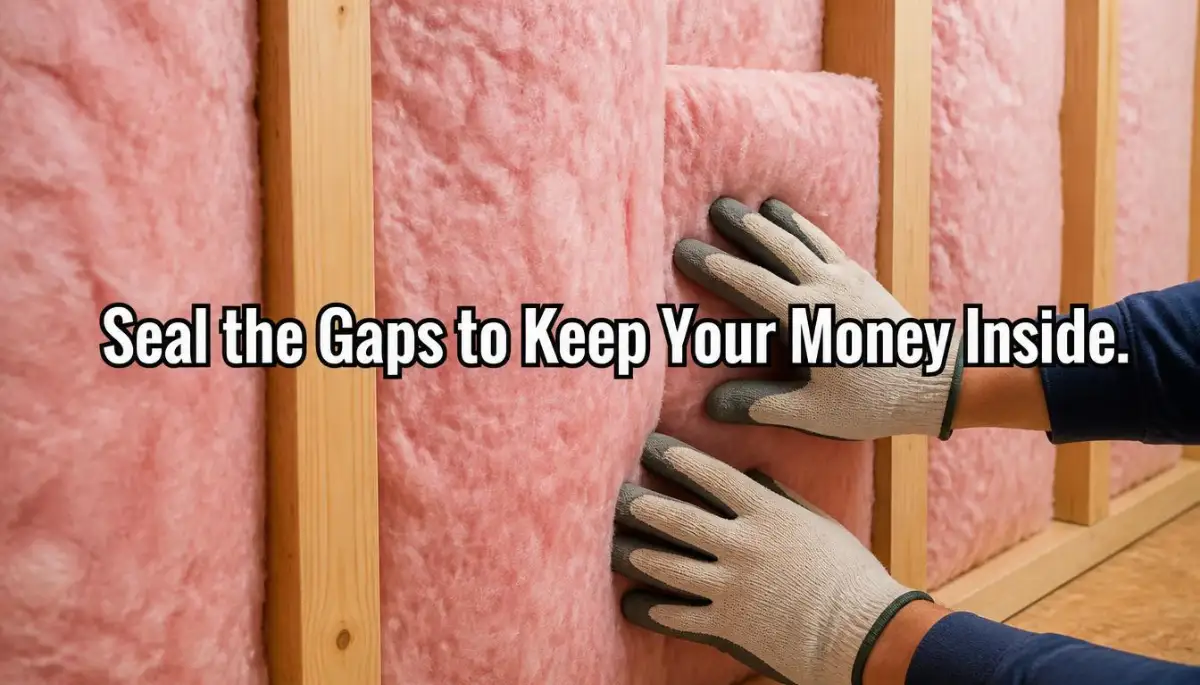
Fiberglass Batts: These are the big pink rolls you see everywhere. They are easy to install yourself and are very affordable. However, they can leave gaps if they are not cut perfectly to fit the space.
Blown-In Cellulose: This is made from recycled paper and treated for fire resistance. It is great for filling odd-shaped spaces and covering existing insulation. It provides a very dense layer that blocks air well.
Spray Foam: This is the premium choice. It expands to fill every tiny crack and provides both an air seal and high R-value. It is more expensive but often offers the best long-term savings.
Quick Comparison Table: Insulation Types
The "Thermal Bridge" Problem in Your Walls
Have you ever noticed that your walls feel cold even if the room is warm? This is often due to thermal bridging. The wooden studs in your walls carry heat better than the insulation does.
This means heat is bypassing your insulation through the wooden frame of the house. While it is hard to fix this in an existing home, there are ways to help. Adding rigid foam boards to the exterior or interior can break this bridge.
It acts like a continuous blanket for your house. This prevents the "cold spots" that often lead to moisture issues and discomfort. It is a smart move for those looking for maximum efficiency.
Don't Forget the "Lower Half" of Your Home
Many people focus so much on the roof that they forget the basement or crawl space. If your floors are cold, your feet will always be cold. This makes you turn up the heat, even if the air temperature is okay.
Insulating the rim joists in your basement is a quick win. This is the area where the house frame sits on the foundation. It is a major source of cold air entry in the winter.
Sealing this area with rigid foam or spray foam can stop drafts instantly. You will feel the difference in your kitchen and living room floors almost immediately. It is a small project with a huge impact.
Myth vs. Reality: Does Insulation Only Help in Winter?
Myth: I only need to worry about insulation during the winter months to stay warm.
Reality: Good insulation is just as important in the summer. It keeps the scorching heat outside and keeps your cool, AC air inside. Without it, your home acts like an oven, soaking up the sun's energy all day.
If you find that your upstairs rooms are much hotter than the downstairs, you have an insulation problem. By fixing it, you reduce the load on your air conditioner. This extends the life of your cooling system and saves you money all year.
The Role of Windows and Doors
While not technically "insulation" in the traditional sense, your windows are holes in your thermal envelope. Even the best-insulated walls won't help if your windows are leaking air.
You don't always need to replace them. Using heavy curtains or cellular shades can add an extra layer of protection. These shades trap air in "cells," acting like a buffer between the glass and your room.
Also, check your weatherstripping. If you can see light under your door, you are losing money. A five-dollar door sweep can pay for itself in just one month of utility savings.
How to Prioritize Your Upgrades
If you have a limited budget, you need to be smart about where you spend your money first. You should always start with the "low-hanging fruit." These are the cheap fixes that offer the biggest returns.
- Seal Air Leaks: Use caulk and foam to stop drafts.
- Add Attic Insulation: Bring your attic up to a high R-Value.
- Insulate the Rim Joists: Stop cold air from entering the basement.
- Wall Insulation: This is a bigger job but great for long-term comfort.
By following this order, you see the most savings for every dollar you spend. It is the most logical way to transform your home into an energy-efficient machine.
The Importance of Proper Ventilation
One mistake people make is sealing their house too tightly without thinking about air. Your house needs to "breathe" to prevent moisture buildup. If you trap moisture inside, you could end up with mold.
This is why attic vents are so important. They allow moisture to escape while the insulation keeps the heat down in the living space. Always make sure your soffit vents are not blocked by new insulation.
Using "baffles" is a great way to keep the air flowing. These are simple plastic channels that ensure air can move from the eaves up to the roof vents. It protects your roof and your health at the same time.
Final Thoughts for Part 1
Taking control of your utility bills is a journey. It starts with understanding where the leaks are and how heat moves through your home. You don't have to do everything at once.
Every small step you take helps. Whether it is sealing a drafty door or adding a few inches of cellulose to the attic, you are making progress. You are moving toward a home that is cheaper to run and more comfortable to live in.
Stay focused on the long-term goal. The money you spend today on insulation is an investment. It will pay you back every single month for as long as you live in your home. That is the kind of financial win we all need.
Pro-Level Strategies for Maximum Thermal Efficiency
You have already learned the basics of where your home loses energy. Now, let’s look at the advanced moves that real energy experts use to slash bills even further. These are the steps that go beyond just adding a few rolls of fiberglass.
One of the most powerful tools you can use is a thermal imaging camera. You don't have to buy a thousand-dollar device anymore. There are small attachments for your smartphone that work incredibly well.
When you look through a thermal lens, your house tells a different story. You might see a bright streak of "heat" escaping from a corner you thought was sealed. This allows you to target your efforts with surgical precision.
Instead of guessing where the problem is, you can see it with your own eyes. This saves you both time and money on materials. It turns a guessing game into a clear home improvement plan.
We also need to talk about the Stack Effect. This is a scientific concept where warm air rises and creates a vacuum at the bottom of your house. It literally pulls cold air in through your basement and pushes hot air out through your attic.
If you only insulate the top, you are only solving half the problem. You must treat your home as a complete system. By sealing the lowest points and the highest points, you break this cycle of air movement.
If you live in a very hot climate, consider a radiant barrier. This is a thin reflective foil that you install in your attic rafters. It doesn't stop heat transfer like thick insulation; it reflects the sun's radiant heat away.
Think of it like a space suit for your house. On a burning summer day, it can lower your attic temperature by thirty degrees or more. This prevents that heat from ever trying to push through your floor insulation.
When planning these big changes, many people look at the cost as a barrier. However, when we look at is buying a home smarter than renting, we see that home ownership is about building equity and control. Improving your insulation is an investment in that asset that pays back every month.
Another expert secret is the insulation of your hot water pipes. This is a very cheap project that takes about an hour. By wrapping your pipes in foam sleeves, your water stays hotter for longer.
This means your water heater doesn't have to kick on as often. It is a small change, but in the world of energy savings, those small wins add up to big dollars. You can find detailed guidelines on recommended insulation levels at Energy.gov to ensure you are meeting the best standards for your region.
Lastly, pay attention to your electrical outlets on exterior walls. Most people don't realize that these are holes in your insulation. You can buy small foam gaskets that fit behind the plastic cover plate.
It sounds almost too simple to work. But if you have twenty outlets on your outer walls, that is a lot of surface area for drafts. These gaskets stop the wind from blowing right into your living room through your plugs.

Avoiding the Traps That Waste Your Investment
When people get excited about saving money, they often move too fast. This leads to some very common and expensive mistakes. The biggest mistake is over-compressing the insulation.
Insulation works by trapping air. If you squash a six-inch thick piece of fiberglass into a two-inch space, you ruin it. You are literally squeezing out the thing that keeps you warm.
It is like wearing a heavy winter coat that is three sizes too small. It won't keep you warm if the fluff is crushed flat. Always let your materials "loft" or sit loosely to get the best results.
Another dangerous mistake is blocking your attic's ventilation. I have seen homeowners cover their soffit vents because they thought they were "letting the cold in." This is a recipe for disaster.
Without air flowing through the attic, moisture builds up. This leads to wood rot and dangerous mold growth. In the winter, it can cause ice dams on your roof that can cost thousands of dollars to fix.
Poor air quality inside the home can even affect your physical well being. We often forget that our environment dictates our internal health. For instance, why your gut bacteria holds the secret to a stronger immune system shows how our surroundings and health are linked. A moldy, poorly ventilated home is a threat to that balance.
We must also talk about safety around recessed lights. If you have older "can lights" in your ceiling, you cannot put insulation directly on top of them. They generate a lot of heat and can start a fire.
You must use "IC-rated" (Insulation Contact) fixtures or build a small fire-safe box around them. This creates a gap so the light can stay cool while the rest of the ceiling stays insulated. Never skip this safety step to save a few minutes of work.
Many homeowners also forget to check for existing moisture problems before they start. If you put new insulation over a damp spot, you are just hiding a leak. The water will eventually ruin the new material and the wood beneath it.
Always fix the roof or the plumbing before you add the insulation. Insulation should always stay bone dry. If it gets wet, most types lose all their ability to stop heat and must be thrown away.
Another trap is thinking that more is always better. There is a point of "diminishing returns." Going from zero insulation to six inches saves you a lot of money.
But going from twenty inches to twenty-four inches might only save you a few cents a year. Your money might be better spent on a new door seal or a smart thermostat. Focus on the areas that give you the biggest bang for your buck first.
Finally, some people try to DAY projects that are honestly too big or dangerous. If you are dealing with asbestos or old vermiculite, do not touch it. These materials can be very harmful to your lungs.
If you suspect your home has these older materials, call a professional. It is better to spend a little more on safety than to risk your long-term health. If you are struggling with the costs of home repairs, there are ways to manage your budget, such as how to rebuild your credit score after a major financial disaster, which can help you get better financing for home improvements.
The Environmental Protection Agency provides excellent resources on identifying hazardous materials in older homes. Always do your research before you start tearing into old walls or attics.
Your Roadmap to a Lower Utility Bill
Improving your home's insulation is one of the most rewarding things you can do. It is a rare win-win situation. You save money every month, and your home becomes a much more comfortable place to live.
You don't have to be a master builder to make a difference. Start small. Buy a few tubes of caulk and walk around your house on a windy day. Feel for the drafts and seal them up one by one.
Once you have stopped the air leaks, look up. Your attic is waiting to be the hero of your energy savings story. Adding a layer of blown-in cellulose or fiberglass batts can change the feel of your house in just one weekend.
Think about the long-term benefits. Every dollar you save on utilities is a dollar you can put toward your future. It might go into your savings, a vacation fund, or paying off your mortgage earlier.
We spend so much of our lives inside our homes. We should make sure those homes are working for us, not draining our bank accounts. You have the power to stop the "money leak" starting today.
Don't let the technical terms or the size of the project scare you. Break it down into small tasks. This week, seal the doors. Next month, look at the attic.
You will start to see the results in your very next utility bill. There is a great sense of pride in looking at a lower bill and knowing you did that yourself. It is a tangible reward for your hard work and smart choices.
Your home is your sanctuary. By investing in strategic insulation, you are protecting that sanctuary. You are ensuring that your family stays warm in the winter and cool in the summer without breaking the bank.
Take that first step today. Check your attic, feel your walls, and look for those hidden gaps. Your future self will thank you for the comfort and the extra cash in your pocket.
![The Secret to Sustainable Composting for Home Gardens [Step-by-Step]](https://topic36.com/storage/uploads/blogs/1787757524_the-secret-to-sustainable-composting-for-home-gardens-step-by-step.webp)