The Hidden Stress of a Dying Solar Dream
You spent a lot of money on your solar system. You remember that day the installers finished the job. You looked at those shiny blue panels on your roof and felt a sense of pride. You were finally independent. No more high electricity bills. You were doing something great for the planet.
But lately, something feels wrong. You check your monthly statement and notice the numbers are creeping back up. You look at your inverter and the green light doesn't seem to blink as fast as it used to. You start to wonder if the system is breaking down.
This feeling is actually quite common. It is a mix of frustration and worry. You might feel like you made a bad investment. You might worry about expensive repair costs that you didn't plan for. It is stressful to see your "free energy" slowly disappearing while the sun is still shining bright outside.
I have spoken to many homeowners who feel this exact way. One man told me he felt like he was "bleeding money" because his panels were covered in a thin layer of bird droppings and dust. He didn't know that something so small could steal 15% of his power.
The reality is that solar panels are not "set it and forget it" machines. They are like cars. If you never change the oil or wash the windshield, the car will eventually stop running well. Your solar system needs a little bit of love to keep giving you that free power you deserve.
Why Dirt is the Secret Enemy of Your Wallet
Think about your car’s windshield after a long road trip. It gets covered in bugs, dust, and grime. You can barely see through it. Now, imagine if your eyes were under that glass. You wouldn't get much light, right?
Your solar panels work exactly like your eyes. They need to "see" the sun to create electricity. When dust, pollen, or salt (if you live near the ocean) builds up, it creates a physical barrier. This barrier reflects the sunlight away instead of letting it soak into the cells.
This is the most common reason for a drop in performance. The good news is that it is the easiest thing to fix. You don't need a degree in engineering to solve this. A simple cleaning routine can bring your system back to life.
The Gentle Wash Method
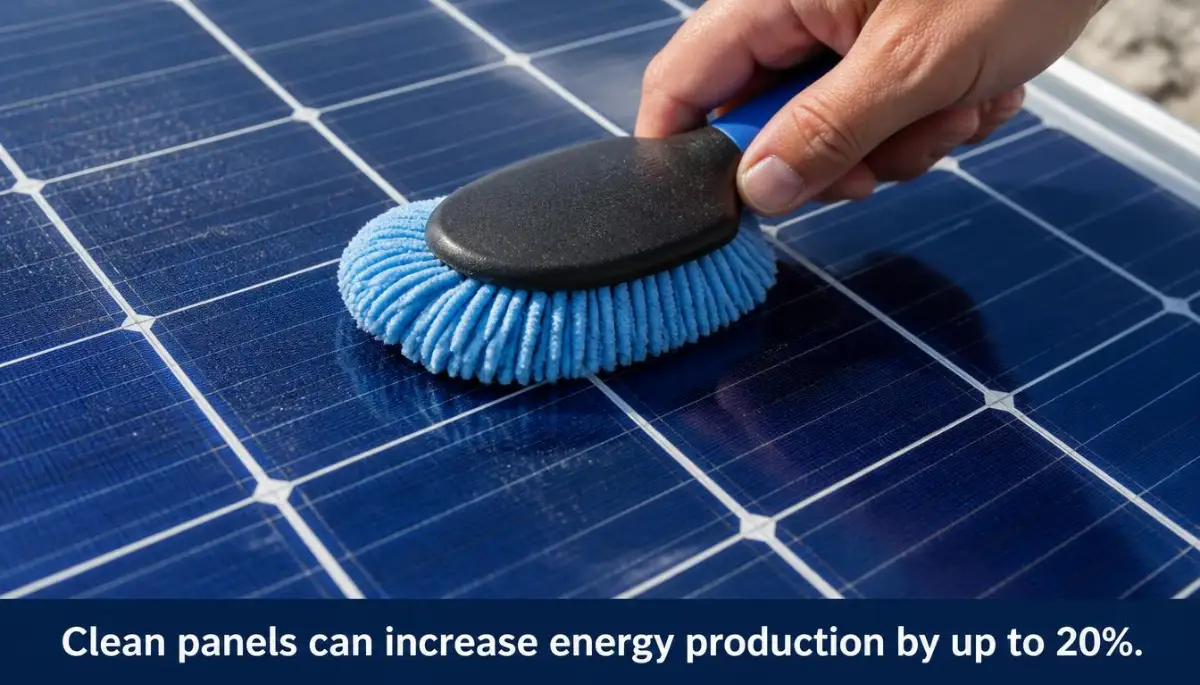
When you decide to clean your panels, you might want to grab a pressure washer. Stop right there. High-pressure water can actually crack the glass or damage the seals around the frame. You should treat your panels like fine china.
I always suggest using a soft garden hose and a microfiber cloth. Avoid using harsh soaps or chemicals. These can leave a film or residue that actually attracts more dust later on. Plain water is usually enough to get the job done.
If you have stubborn spots like bird droppings, use a soft sponge. Never use metal scrapers or abrasive pads. Scratches on the glass create shadows on the cells. Even a tiny scratch can reduce the amount of energy that specific part of the panel produces.
Timing is Everything for Safety and Results
You should never clean your panels in the middle of a hot day. Imagine pouring cold water on a hot glass baking dish. It might shatter. Solar panels get very hot under the direct sun.
The best time to clean is early in the morning or late in the evening. This prevents the water from evaporating too quickly and leaving spots. It also keeps the glass safe from thermal shock. Plus, it is much safer for you to be on a ladder or near the roof when the sun isn't beating down on you.
Keep an Eye on the Green Light
Most people have a solar inverter box on their wall, but they never look at it. This box is the "brain" of your system. It turns the raw energy from the sun into the power your fridge and TV can use.
You should make it a habit to check your inverter at least once a week. Most inverters have a simple light system. A steady green light usually means everything is perfect. A blinking light or a red light means there is an error.
If you see a red light, don't panic. Sometimes it just needs a "soft reset." But if the error stays, it is time to call a pro. Catching an inverter issue early can save you months of lost energy production.
Using Data to Your Advantage
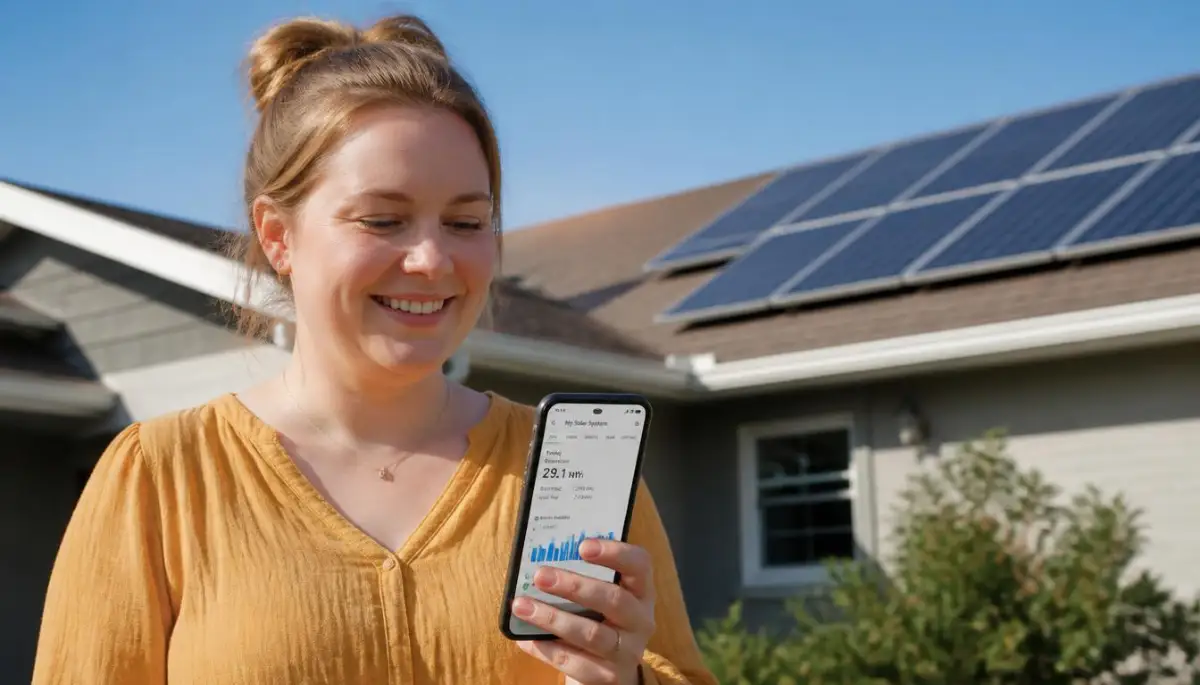
We live in a world where almost every solar system comes with an app. Are you using yours? These apps are not just for showing off to your neighbors. They are powerful diagnostic tools.
I recommend checking your app daily for a week. Look for the "peak" hour, which is usually between 11 AM and 2 PM. If you see a sudden dip in the graph during a clear sunny day, you know something is wrong.
Maybe a neighbor's tree has grown too tall. Maybe a rogue ball from the kids is sitting on a panel. Without the app, you might not notice these small problems for months. By then, you have already lost a lot of savings.
The Mystery of the Growing Shadow
Shadows are the silent killers of solar efficiency. You might think that if 10% of a panel is in the shade, you only lose 10% of the power. Unfortunately, solar technology doesn't always work that way.
Many systems are wired in a "string." This means the panels are like a string of old Christmas lights. If one panel is blocked by shade, it can drag down the performance of the entire string.
Check Your Surroundings Regularly
Trees grow faster than we think. A branch that was far away last year might be casting a long shadow over your roof this year. Take a walk outside during the afternoon and look at your roof.
Is there a new chimney vent? Has a nearby satellite dish been moved? Even a tiny bit of shade from a vent pipe can cause a significant drop in output. If you see shadows, you might need to trim a few branches. It is a small task that pays for itself in lower power bills.
Inspecting the Physical Health of Your System
Beyond dirt and shadows, you need to look at the physical parts. You don't need to be an electrician to do a basic visual check. Look at the wires that are visible. Are they hanging loose?
High winds or curious squirrels can sometimes pull wires out of their clips. A loose wire can rub against the roof and wear out the insulation. This is not just a performance issue; it can be a safety hazard.
Look for "Hot Spots"
Sometimes, a solar cell can fail internally. This creates what we call a "hot spot." While you can't always see this with the naked eye, sometimes you can see a slight brown or burnt mark on the panel.
If you notice a panel looks different than the others—maybe it has a cloudy appearance or a strange tint—it might be de laminating. This is usually covered under your warranty. Checking for these visual cues once or twice a year helps you catch warranty issues before they expire.
The Importance of Professional Health Checks
While DIY care is great, a professional inspection every few years is a smart move. A pro has tools that you don't. They can use thermal cameras to find hidden electrical problems. They can check the "tightness" of the mounting system to make sure a storm won't blow your panels away.
Think of it like a doctor's checkup. You eat well and exercise (DIY maintenance), but you still go to the doctor for blood work (Professional inspection). This balance ensures your system lasts for 25 to 30 years.
Why Every Drop of Efficiency Matters
You might think, "It's just a little bit of dust, it doesn't matter." But let's look at the math. If your system is 10% less efficient because of dirt and old wires, and your bill is normally $200, you are losing $20 every single month.
Over a year, that is $240. Over ten years, that is $2,400. That is a lot of money to leave sitting on your roof! By spending just 30 minutes a month on basic checks, you are essentially "paying" yourself hundreds of dollars a year.
Maintenance is not a chore. It is a way to protect your freedom. You bought solar to be free from the power company. Keeping your system at peak performance is how you stay free.
In the next part of this guide, we will look at more technical aspects. We will talk about how weather affects your panels and what you can do during the winter months to keep the power flowing. Solar energy is a gift from the sun, but it is up to us to keep the gift working.
Stay tuned for more practical tips that will help you master your home energy system. We are just getting started on making sure your home stays bright and your wallet stays full.
Mastering the Invisible Flows of Energy
Now that we have covered the basics of keeping your panels clean, it is time to look at the hidden parts of your system. Most people think solar power is just about the blue panels on the roof. In reality, a lot of the magic happens in the wires and boxes inside your home.
One of the best ways to keep your system healthy is to manage the heat around your inverter. Even though solar panels love the sun, the electronics that convert the power actually hate being too hot. If your inverter is installed in a garage or a sunny spot, it might be struggling to stay cool.
I have seen many systems slow down just because the inverter was gasping for air. Make sure there is plenty of space around the unit for air to move. If you notice the fans inside are making a loud buzzing sound, it might be time to use a soft brush to clean the air vents. Just like keeping your laptop clean, a cool inverter is a happy and efficient inverter.
If you are using a battery storage system with your solar, you should treat it with extra care. Batteries are the most sensitive part of the energy chain. You can learn a lot about keeping these units healthy by looking at simple habits to protect your electric vehicle battery life. Many of the same rules apply, such as avoiding extreme temperature changes.
Another pro secret is checking your electrical connectors. These are the small plugs that join the panels together. Over time, the wind can make these wires vibrate. If a plug becomes slightly loose, it creates "resistance." Resistance is like a kinking a garden hose; it stops the flow of energy and can even cause heat damage.
The Seasonal Adjustment Strategy
Did you know that the sun sits at a different height in the sky depending on the time of year? In the summer, the sun is high and bright. In the winter, it stays lower on the horizon. Some high-end solar mounting systems allow you to tilt your panels.
If you have a tillable rack, changing the angle twice a year can boost your output by nearly 10%. It sounds like a small number, but it adds up quickly. Most homeowners don't do this because they simply don't know it’s an option.
If your panels are fixed, don't worry. You can still optimize for the seasons by managing your home's energy load. In the winter, try to run your heavy appliances like the dishwasher or laundry during the three hours of peak sunlight. This ensures you are using the "hottest" energy of the day instead of pulling from the grid later.
Understanding how to balance different types of energy systems is a great skill. For example, if you also own a modern car, you might find it helpful to read about the ultimate guide to hybrid engine care and longevity. Learning how systems work together helps you save more money across your whole lifestyle.
Dealing with Micro-Cracks and Aging
Everything ages, and solar panels are no different. They usually lose a very small amount of efficiency every year. Experts call this the "degradation rate." According to research from the National Renewable Energy Laboratory (NREL), most panels lose about 0.5% of their power each year.
However, you can speed up this aging process by being careless. Walking on your panels is a huge mistake. Even if the glass doesn't break, the weight of a person creates "micro-cracks" in the silicon cells. You can't see them with your eyes, but they show up under special cameras as dark spots.
These cracks block the flow of electricity and create heat. Over time, a small crack can lead to a total panel failure. Always use a long-reach tool for cleaning so you never have to step on the glass. This simple rule will keep your panels producing power for decades.
Fatal Errors That Could Cost You Thousands
Many homeowners try to be "too helpful" when it comes to their solar systems. I once met a man who thought he was being smart by painting his solar mounting brackets to match his roof. Unfortunately, some of the paint got onto the edges of the solar glass.
This created a permanent shadow on the edge of the cells. As we discussed in Part 1, even a small shadow can cause a big drop in power. This is a classic example of how a small DIY mistake can lead to long-term financial loss.
Another common trap is using chemical cleaners. You might see a "miracle spray" advertised online that promises to make your panels shine. Be very careful. Many of these sprays contain chemicals that can strip away the anti-reflective coating on the glass.
Once that coating is gone, your panels will reflect more sunlight away instead of soaking it in. You will have shiny panels that produce 5% less power. It is always better to stick with plain, clean water and a soft touch.
The Danger of Ignoring "Minor" Alerts
Sometimes an inverter will show an orange light or a small error code on the screen. It might say something like "Ground Fault" or "Isolation Error." Many people ignore these because the lights in the house are still on.
Ignoring these warnings is like ignoring a strange noise in your car engine. A ground fault often means a wire has a tiny hole in the insulation. On a dry day, it might not be a problem. But when it rains, that wire could short-circuit or even start a fire.
Your solar system is a long-term investment in your home. Protecting it is just as important as deciding is buying a home smarter than renting. You have to protect the value of what you own. If you see an error code, look it up in your manual or call your installer immediately.
Why You Should Never "Hack" Your Wiring
I have seen people try to add extra panels to their existing system by themselves. They buy a few cheap panels online and try to "splice" them into the current wires. This is incredibly dangerous and usually ruins the efficiency of the whole system.
Solar strings are designed with specific voltage limits. If you add a panel that doesn't match the others, the inverter might shut down to protect itself. Or worse, the extra voltage could fry the internal circuits. Always talk to a certified professional before changing the electrical layout of your system.
Your Roadmap to a Lifetime of Free Energy
Taking care of your solar energy system is not a difficult task. It is about building small habits that protect your investment. When you keep your panels clean and your inverter cool, you are literally making money every time the sun rises.
I want you to think of your solar system as a member of your family. It works hard every day to keep you comfortable and save you money. It doesn't ask for much—just a little bit of cleaning and a quick check-up every now and then.
If you follow the tips in this guide, you won't have to worry about surprise bills or failing equipment. You will have the peace of mind that comes with knowing your home is powered by the cleanest and most reliable source of energy we have.
A Quick Checklist for Success
To make things easy, here is a simple plan you can start today:
- Check your monitoring app once a week to see if your daily "peaks" look normal.
- Do a visual walk-around once a month to look for bird nests or new shadows from trees.
- Gently wash your panels twice a year, or more often if you live in a dusty or salty area.
- Listen to your inverter. If it sounds extra loud or shows a new light, take action right away.
![The Secret to Sustainable Composting for Home Gardens [Step-by-Step]](https://topic36.com/storage/uploads/blogs/1787757524_the-secret-to-sustainable-composting-for-home-gardens-step-by-step.webp)