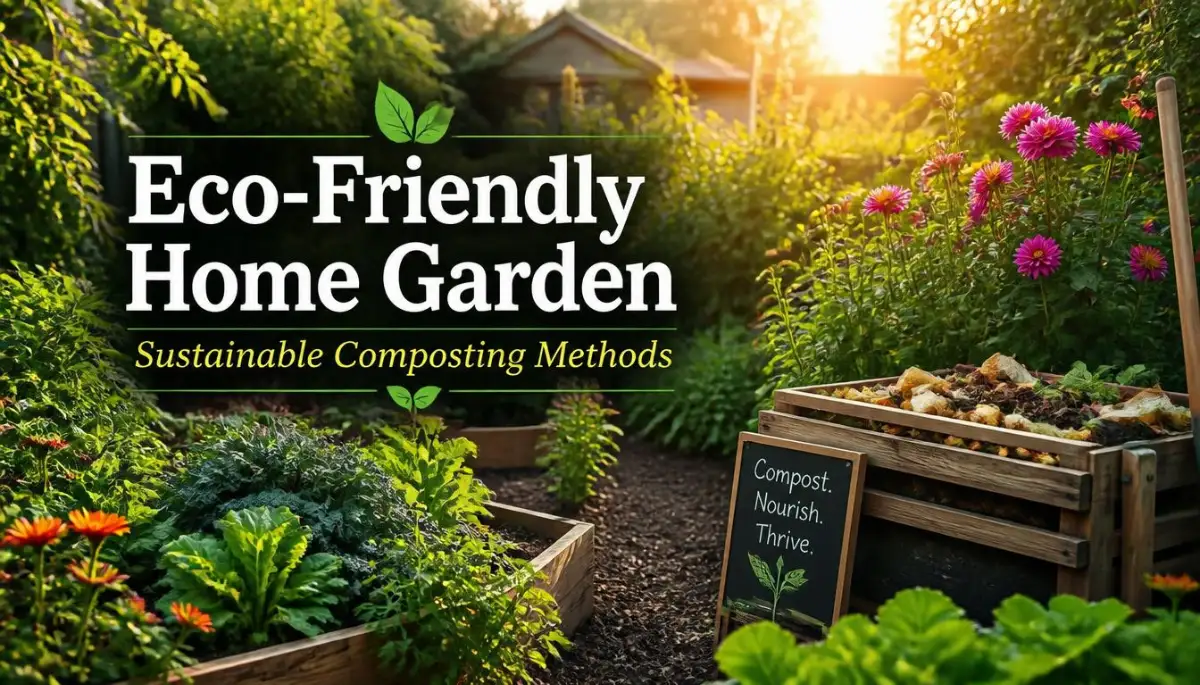
The Day I Almost Gave Up on Growing My Own Food
I still remember staring at my backyard with a heavy heart and dirty, empty hands. I had spent weeks planting seeds, watering them daily, and hoping for a beautiful green garden. But everything I planted either turned a sickly yellow or just refused to grow properly. My dream of having a beautiful, peaceful outdoor space felt like a complete failure.
I was throwing away so much money on expensive store-bought soils and heavy chemical fertilizers. I honestly thought that spending more money on fancy products would magically fix my dying plants. It did not work at all, and it just left me completely frustrated and angry with myself.
It is absolutely exhausting when you put your heart into a project and see zero positive results. I felt like I was the only person in the world who could not keep a simple tomato plant alive. I even started avoiding my own backyard because looking at those withered, sad leaves just ruined my mood.
Many of you probably know this exact feeling of disappointment and self-doubt. You try your absolute best to do something good for the earth, but the process feels incredibly complicated and overwhelming. We just want a safe, natural space for our families without stressing over every single detail.
Instead of enjoying a peaceful morning cup of coffee next to blooming flowers, we worry about why the leaves are falling off. The daily stress of seeing our hard work go down the drain really messes with our mental peace. It takes all the joy right out of what should be a highly relaxing hobby.
We constantly buy random sprays and powders hoping for a quick fix, only to realize we are doing more harm than good to our soil. The guilt of failing at something that is supposed to be completely natural is a heavy burden to carry. I knew there just had to be a better, more natural way to make things right.
The Hidden Magic of Real Organic Gardening
Finding the right path was not an overnight journey for me by any means. I spent countless hours reading old gardening books and talking to local farmers who never seemed to struggle with their crops. They all pointed to one very simple truth that I had completely ignored for months.
The secret to a great garden was not in the expensive seeds or the fancy water hoses I was using. The real magic happened right under my feet, deep inside the dirt itself. If the foundation of your garden is weak, absolutely nothing beautiful can grow out of it.
This sudden realization changed my whole perspective on growing plants at home. I stopped focusing so much on the green leaves and started paying close attention to what was happening beneath the surface. It was a total game changer for my backyard space and my mental sanity.
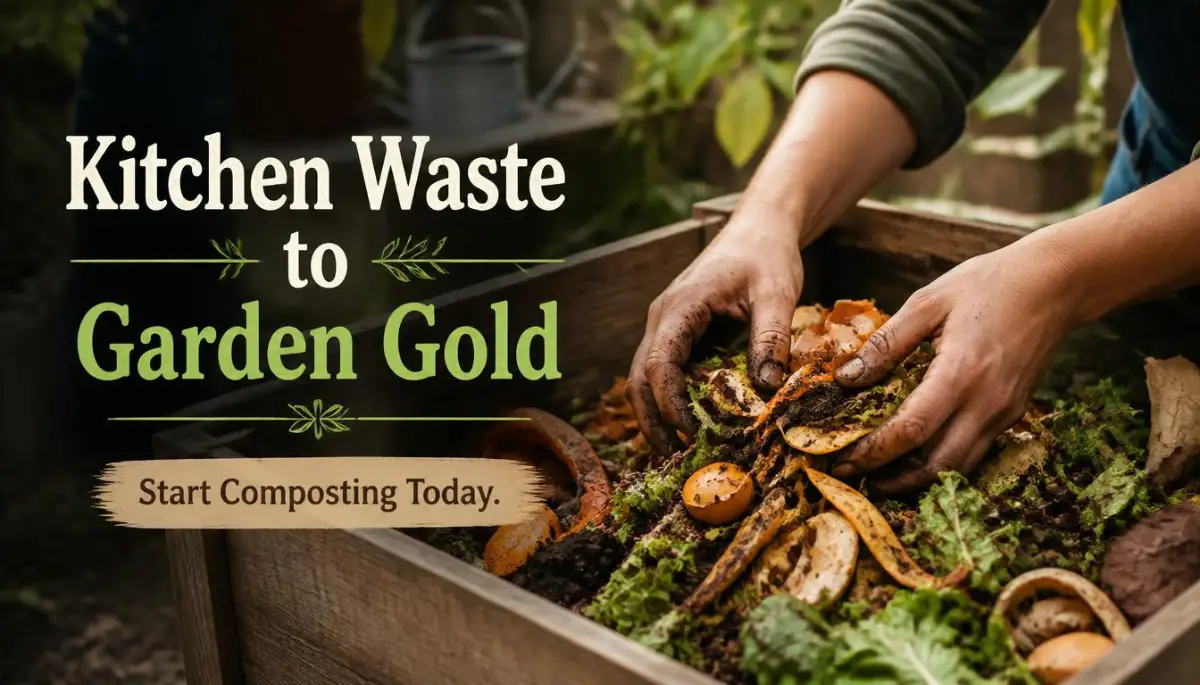
I decided to try sustainable composting, mostly because it was incredibly easy and practically free. I gathered my leftover kitchen scraps and started building my very first dirt pile in the corner. At first, it just looked like a messy pile of garbage, but patience is a truly wonderful teacher.
When that pile slowly turned into rich, dark, sweet-smelling soil, I felt like a proud parent. I spread it around my struggling plants and watched a literal miracle happen over the next few weeks. The sad yellow leaves turned a deep, vibrant green, and healthy flowers finally began to bloom everywhere.
You definitely do not need a fancy science degree or a huge budget to make this happen in your own home. You just need a little bit of knowledge and the willingness to let nature do its job. Let me show you exactly how I turned my messy garden around, step by step.
Setting Up Your Natural Plant Food Station
Starting your own compost pile is much easier than most people ever think. You just need a small, quiet corner in your yard or even a simple plastic bin on your apartment balcony. It absolutely does not require massive amounts of space or highly expensive farming tools.
Think of your new compost bin as a slow-cooking pot for nature. You are basically putting raw ingredients together and letting time create a wonderful, nutritious meal for your plants. The entire process is completely natural and incredibly forgiving, even if you make a few small mistakes.
I started with a basic wooden box that I found for free near my neighborhood. You can use a heavy-duty plastic bin, a simple wire mesh circle, or just dig a small hole right in the ground. The container itself really does not matter at all, as long as it gets plenty of good airflow.
Fresh air is a huge part of the process because the good bacteria inside the pile need to breathe to survive. If you trap them in a tight plastic box with absolutely no holes, things will get smelly very quickly. Just drill a few small holes in the sides of your bin to keep the fresh air moving smoothly.
Once you have your perfect spot picked out, put a few small branches at the very bottom of the pile. This simple step helps extra rainwater drain out and keeps the air flowing nicely from underneath. It is exactly like giving your new compost pile a good pair of breathing lungs.
The Golden Rule of Browns and Greens
Understanding exactly what to put in your bin is the real secret to making great, healthy soil. Everything natural and organic falls into two very simple categories: greens and browns. Balancing these two ingredients is exactly like baking a perfect, delicious cake.
Greens are items that are wet and full of nitrogen, which helps heat up the pile naturally. This group includes your daily vegetable peels, fruit scraps, old coffee grounds, and fresh green grass clippings. They add the essential moisture and powerful energy that the good bacteria need to work hard.
Browns are dry items that add heavy carbon and give your soil pile good physical structure. Think of dry things like dead autumn leaves, shredded newspaper, brown cardboard boxes, and small wooden twigs. They act like dry sponges, soaking up extra moisture and keeping bad smells far away.
A lot of beginners just throw all their wet kitchen waste into a bucket and wonder why it turns into a stinky, slimy mess. This usually happens because they have way too many wet greens and absolutely zero dry browns. You must balance the wet and dry ingredients to keep your pile smelling earthy and fresh.
How to Layer Your Ingredients Perfectly
Whenever I take a small bowl of kitchen scraps out to the bin, I always bring a large handful of dried leaves with me. For every single bucket of wet greens, you should generally add about two buckets of dry brown materials. This simple mathematical ratio keeps everything happy and actively breaking down.
I like to think of this layering process just like making a deep dish lasagna. You put down a soft layer of wet kitchen scraps, and then completely cover it with a thick layer of shredded paper or dry leaves. Covering the fresh human food instantly hides it from annoying flies and hungry bugs.
If you ever notice tiny fruit flies buzzing around your bin, it simply means your greens are exposed to the open air. Simply add a thick, heavy layer of brown materials right on top to block them out completely. It is a very easy, natural fix that works almost instantly.
Never put leftover meat, dairy products, or oily cooked foods into your regular home compost bin. These heavy items take forever to break down and they will definitely attract unwanted animals like rats or stray cats. Stick to simple plant-based scraps to keep your outdoor garden safe and incredibly clean.
Here is a quick look at what goes in and what stays out:
Keeping the Magic Alive (Simple Maintenance Tips)
Once you have your nice layers going, your main job is just to let it sit and do its own thing. However, giving it a little bit of physical help will speed up the rotting process dramatically. You just need to keep a close eye on the moisture levels inside the pile.
Your compost should always feel exactly like a damp kitchen sponge that you just squeezed out. If it gets completely bone dry, the helpful bacteria will simply go to sleep and stop working on your soil. If you live in a very hot area, you might need to sprinkle it with cool water from time to time.
On the other hand, if it gets too wet from heavy seasonal rain, it will start to smell like a dirty swamp. This terrible smell means there is absolutely no fresh air left inside the wet pile. You can fix this easily by mixing in lots of dry cardboard or dead leaves to soak up the heavy water.
Speaking of mixing, turning your pile with a tool is the absolute best way to get very fast results. I usually take a large garden fork and mix the whole thing up every two or three weeks. This moves the uncomposted bits from the cooler outside right into the hot, active center.
I remember when I first started, I used to check on the pile every single day, expecting overnight results, which only made me impatient. I quickly learned that nature works on her own schedule, and trying to rush it just causes unnecessary stress. I realized I just needed to step back, relax, and let the tiny microorganisms do the heavy lifting for me.
See the Process in Action
If you are a highly visual learner, checking out how experts actually manage their bins can save you a lot of random guessing. This quick, helpful video shows exactly how to balance your layers for the perfect natural mix.
Knowing When Your Garden Gold is Finally Ready
One of the most common questions new gardeners ask is how they will know when the compost is actually finished. It is a very valid question because half-finished compost can sometimes pull healthy nutrients away from your growing plants. You really want to make sure it is fully cooked before using it on your flowers.
Finished compost looks absolutely nothing like the leftover food scraps you originally put in the plastic bin. It will be very dark brown, extremely crumbly to the touch, and it will smell wonderful, like a deep forest after a fresh rain. You should not be able to recognize any banana peels or old apple cores.
The whole breakdown process usually takes anywhere from three short months to a whole calendar year. The actual time depends entirely on how often you turn it and how small you chopped your original ingredients. Chopping your tough vegetable scraps into tiny pieces before throwing them in will speed up the process by several months.
If you really want to use the soil but there are still a few large wooden twigs or avocado pits left, do not worry at all. You can simply push the dark mixture through a piece of chicken wire to easily sift it. Keep the fine, soft dirt for your delicate plants and throw the big hard pieces right back into the bin to keep breaking down.
Feeding Your Plants the Right Way
Once you finally have this beautiful, rich dirt in your hands, it is time to give it to your hungry plants. This natural, homemade food is so much better than anything you can ever buy in a plastic bag from a giant store. It holds moisture wonderfully and slowly feeds the tiny roots exactly what they need over time.
I personally love to use my fresh compost as a simple top dressing for my raised vegetable beds. I simply spread a thick two-inch layer over the surface of the topsoil around my tomatoes and green peppers. Every single time it rains, the water gently pulls those amazing nutrients straight down to the deep plant roots.
You can also confidently mix it directly into the hard ground when you are planting new colorful flowers or tiny seeds. It creates a very soft, fluffy bed that helps delicate new roots stretch out easily and grow incredibly strong. Your green plants will genuinely thank you by growing much bigger and brighter than ever before.
Another really great trick is making a natural liquid fertilizer, which is often called sweet compost tea. You just soak a few large handfuls of your finished compost in a big bucket of water for a day or two. Then, use that nutrient-rich brown water to give your dry potted plants a massive, instant health boost.
Creating a True Eco-Friendly Haven
Making your own natural soil is just the very first step in building a truly healthy, happy home garden. When you completely stop using harsh chemicals, you suddenly invite so much good, natural life back into your yard. You will quickly start seeing more helpful earthworms, beautiful ladybugs, and friendly buzzing bees.
Earthworms are incredibly helpful, tiny workers in any natural outdoor garden space. They constantly dig tiny hidden tunnels all through your soil, bringing fresh air straight to the roots of your thirsty plants. They also eat the dead organic matter and leave behind rich castings that act as super-food for the entire garden.
By reusing your old kitchen waste, you are also heavily reducing the massive amount of garbage you send to the local dump. Rotting food waste in a crowded landfill creates dangerous gases that seriously hurt our precious environment. Composting at home is a very simple, direct way to do your personal part in saving the planet.
You slowly start to realize that everything in nature naturally works together in a beautiful, endless cycle. The healthy food you eat leaves behind simple scraps, which feed the dirty soil, which in turn grows more healthy food. Being a direct part of this natural loop brings a deep sense of peace and true accomplishment.
Saving Money While Growing Healthier Food
One of the absolute best benefits of this natural gardening method is the huge amount of money you will save every single season. Those big, heavy bags of synthetic plant food and commercial potting soils add up extremely quickly over time. By quietly making your own food at home, you keep that hard-earned money right in your pocket.
My personal gardening budget dropped significantly the very moment I started trusting the natural composting process. I completely stopped buying random chemical sprays and blue powders that loudly promised instant magic. I finally understood that rich, healthy soil automatically creates healthy, disease-resistant plants without any extra help.
When your favorite plants grow in rich, natural organic material, they naturally produce much better tasting vegetables, too. A red tomato grown in natural, homemade soil tastes so much sweeter and juicier than one grown with harsh chemicals. You are proudly feeding your family the cleanest, safest, and most delicious food possible.
Taking Your Dirt from Good to Absolutely Amazing
Once you master the basic rules of throwing kitchen scraps into a bin, you might feel a sudden urge to make things even better. It is completely normal to want faster results and richer, darker soil for your hungry backyard plants. I definitely went through a phase where I wanted to optimize every single thing I was doing outside.
The good news is that you do not need to buy expensive, heavily packaged chemicals to speed up your natural breakdown process. You can literally use specific items from your own kitchen to give your outdoor bin a massive energy boost. Learning these small, advanced tricks really separates a struggling beginner from a highly confident home gardener.
One of my favorite secret weapons is something you probably throw away every single morning without thinking twice. Old coffee grounds are an absolute super-food for the friendly bacteria that live inside your dirt pile. They are packed full of rich nitrogen, which immediately heats up the center of the bin and makes everything rot much faster.
Another amazing household item is plain old eggshells, which hold the secret to growing giant, perfectly healthy tomatoes. Tomatoes often get ugly black spots on their bottoms when the soil is completely empty of natural calcium. By crushing dry eggshells into tiny pieces and mixing them in, you are basically giving your green plants strong, healthy bones.
The Magic of the Two-Bin Rotation System
If you plan on doing this for a long time, you will quickly realize that adding fresh food to an old pile gets a little confusing. The bottom of the pile might be perfectly finished dark soil, but the top is still covered in fresh banana peels. This makes it extremely annoying when you just want to grab a quick handful of dirt for a new potted plant.
The absolute best way to solve this daily headache is by setting up a simple two-bin rotation system in your yard. You essentially have one active bin where you dump all your fresh daily kitchen waste and wet grass clippings. The second bin is your resting bin, which you just leave completely alone so it can finish cooking properly.
When the resting bin finally turns into dark, beautiful soil, you completely empty it out into your vegetable beds. Then, you simply swap their roles, letting the full active bin rest while the empty one starts taking the new daily scraps. This endless rotation ensures you always have a steady, ready-to-use supply of homemade plant food all year round.
Thinking about the future of your garden is just like taking control of your financial future through smart, early investments. The small amount of effort you put into organizing your dirt today pays off with massive, beautiful harvests tomorrow. You will never have to run to the garden center to buy overpriced bags of synthetic dirt ever again.
Inviting the Right Kind of Tiny Helpers
If you really want to create the highest quality fertilizer known to nature, you need to look into vermicomposting. This simply means using specific types of worms, usually red wigglers, to eat your garbage and turn it into pure garden gold. It might sound a little gross at first, but it is actually an incredibly clean and highly efficient process.
These special little worms can eat half of their own body weight in leftover food scraps every single day. They move through the damp materials, eating the rotting food and leaving behind dark castings that are insanely rich in plant nutrients. By understanding the science of vermicomposting properly, you can easily create a super-powered soil amendment right in your garage.
You can even keep a small, completely odorless worm bin directly under your kitchen sink if you live in a tiny apartment. They do not make any noise, they do not smell bad if managed correctly, and they work completely for free. It is honestly the most fascinating and rewarding way to deal with your daily vegetable peels and leftover bread.
Hidden Traps That Will Quickly Ruin Your Soil
We all make silly mistakes when we are learning something entirely new, and I am definitely no exception to that rule. I once turned my beautiful, peaceful backyard into a smelly nightmare because I simply ignored the basic laws of nature. If you do not pay close attention, you can easily create a very unhealthy environment that hurts your plants instead of helping them.
One of the absolute biggest mistakes people make is treating their outdoor bin like a regular trash can where anything goes. You cannot just throw random household garbage into a pile and expect it to magically turn into sweet-smelling earth. If you put the wrong things inside, you will quickly attract unwanted pests and destroy the helpful bacteria.
I once had a neighbor who threw huge piles of glossy magazines and heavily printed cardboard into his outdoor pile. Those shiny, colorful pages are completely covered in toxic chemical inks and heavy micro-plastics that will never break down safely. When you use that ruined soil on your vegetable beds, those hidden chemicals go directly into the food you are eating.
The Dreaded Swamp Effect (Overwatering)
The fastest way to ruin a perfectly good batch of organic matter is by letting it get way too wet. I remember leaving the lid off my bin during a massive rainstorm, thinking the extra water would help wash everything down. Instead, the heavy water pushed all the fresh oxygen out of the pile, drowning the good bacteria instantly.
When the oxygen is completely gone, a very different, harmful type of bacteria takes over the entire decomposition process. This terrible shift creates a disgusting, slimy mess that smells exactly like a rotten sewer or an old swamp. Learning about managing dangerous pathogens in home soil is incredibly important to keep your family and your pets totally safe.
If you ever notice a foul, sour smell coming from your yard, you need to take immediate action to fix it. Just like you would quickly troubleshoot to fix your slow internet connection, you must act fast to save your failing compost. Grab a pitchfork, flip the wet pile completely over, and mix in a huge bag of dry, shredded newspaper to soak up the water.
The Danger of Sick Plants and Pet Waste
It feels very natural to throw dying garden leaves or pulled weeds directly into your outdoor breakdown pile. However, if a plant died because of a heavy fungal infection or a nasty disease, those problems will survive inside the dirt. When you spread that finished dirt later, you will accidentally infect your brand new, healthy plants with the exact same disease.
To stay completely safe, you should always throw highly diseased tomato leaves or infected rose clippings straight into your regular city trash. You only want to recycle healthy green clippings that will add positive energy back into your garden beds. Keeping a strict eye on what goes in guarantees you will get a very safe, high-quality product out.
Another extremely dangerous mistake is throwing dog or cat waste into a bin that you plan to use for growing food. Pet waste carries very serious parasites and tough bacteria that can make human beings incredibly sick. Always keep your home vegetable fertilizer strictly plant-based to completely avoid these nasty, hidden health risks.
Designing a Garden Layout That Actually Works
Where you actually place your outdoor bins and vegetable beds makes a massive difference in how much you enjoy the hobby. If your waste bin is hiding far away at the very back of a dark yard, you will probably feel too lazy to walk out there in the rain. I highly recommend keeping it as close to your kitchen door as possible, without being directly on your dining patio.
You also need to think very carefully about how the daily sun hits your backyard throughout the different seasons. The good bacteria need a nice amount of warmth to work fast, but baking them in the direct afternoon sun will dry them out instantly. Finding a nice, semi-shaded spot underneath a large tree is usually the perfect balance for consistent temperature control.
This strategy is very similar to how you would position mirrors to maximize natural light in a dark, tiny living room. You are simply using the natural environment to your advantage, making things highly efficient without spending extra money. A well-placed garden setup feels entirely natural and completely effortless to maintain every single day.
Feeding Your Soil So It Can Feed You
A huge part of this sustainable lifestyle is realizing that your actual dirt is alive and needs to be fed constantly. Many beginners make the sad mistake of adding homemade plant food just once when they plant their spring seeds, and then they completely forget about it. Your heavy-feeding plants, like pumpkins and cucumbers, will eat up all those good nutrients very quickly.
To keep the momentum going, you should gently scratch a fresh handful of dark earth into the top layer of your beds every single month. This practice slowly releases a steady stream of minerals directly to the thirsty roots every time you water them. By focusing heavily on improving your local soil structure naturally, you guarantee massive, healthy harvests season after season.
When you constantly return organic matter back to the earth, the ground actually becomes much softer and easier to dig. You will notice that water soaks in beautifully instead of just running off the hard, dry surface. It is a highly rewarding feeling to watch your previously dead backyard transform into a deeply fertile, green oasis.
Your Master Plan for a Greener Tomorrow
Looking back at my own journey, the transition from a frustrated plant killer to a confident green thumb was totally life-changing. I stopped fighting desperately against nature and finally learned how to work quietly alongside it. You now have all the exact tools and hidden knowledge you need to completely transform your own outdoor living space.
The hardest part of any new lifestyle change is simply getting past the initial fear of messing things up. Just remember that making natural plant food is incredibly forgiving, and every small mistake is just a great lesson in disguise. You are participating in an ancient, beautiful cycle that the earth has been doing perfectly well for millions of years.
Start by grabbing a simple plastic bucket today and tossing in your leftover morning coffee grounds and apple cores. You do not need to build a massive wooden structure or buy expensive farming tools right this very minute. Taking one tiny, positive action today is so much better than waiting for the perfect moment tomorrow.
When you focus on building products that people actually love, you prioritize long-term value, and your garden is no different. You are building a safe, beautiful environment that your family and local wildlife will deeply appreciate for years to come. If you ever feel stuck, you can always visit my site for exploring more helpful resources to keep your inspiration high.
I really hope my personal struggles and late-night backyard discoveries help you skip the hard parts and go straight to the fun. Seeing that first bright green seedling push through your very own homemade dirt is a feeling you will absolutely never forget. Get your hands dirty this weekend, trust the natural process, and watch your beautiful green space finally come alive!
Things People Always Ask About Natural Soil Building
Does a home compost bin attract rats and mice?
If you only use plant-based kitchen scraps and cover them completely with dry brown leaves, pests will not be interested at all. Rats and stray cats are only attracted to heavy odors from rotting meat, dairy products, or leftover greasy oils. Keep those bad items out, and your bin will stay entirely safe and pest-free.
Can I really do this in a small indoor apartment?
You absolutely can! A small, enclosed worm bin (vermicomposting) fits perfectly under a standard kitchen sink and does not produce any bad smells. The tiny worms eat your daily vegetable scraps quietly, giving you amazing natural fertilizer for your indoor potted houseplants.
How do I know if my mixture is too wet or too dry?
Just grab a handful of the mixture and squeeze it tightly in your bare hand. It should feel exactly like a damp kitchen sponge that you just wrung out thoroughly. If dirty water drips down your arm, it is way too wet, and if it blows away like dust, it is far too dry.
Do I really need to buy a fancy rotating plastic bin?
No, you definitely do not need to spend hundreds of dollars on a massive plastic tumbler from a garden center. A simple, free wooden box made from old shipping pallets or even a shallow hole dug in the ground works perfectly fine. Nature does the exact same breakdown work regardless of how expensive the container looks.
Can I throw citrus peels like lemons and oranges into the pile?
You can definitely add them, but you should always chop them up into very small pieces first. Citrus peels have thick, tough skins and natural strong oils that take a very long time to break down in a standard bin. Adding too many whole orange peels at once can also make the environment slightly too acidic for the helpful bugs.
Disclaimer: The gardening and soil management information shared in this article is based on personal experience and general natural practices. Results can vary heavily depending on your local climate, native soil type, and daily maintenance routines. Always wear proper gardening gloves when handling organic waste and consult with local agricultural extensions if you are unsure about safe waste management in your specific area.