The Heavy Cost of Our Daily Commute: A Reality Check
Do you ever stop and look at the hazy sky while stuck in traffic? I remember walking to work a few days ago. The sound of engines was deafening. The smell of burnt fuel filled my nose. My throat felt scratchy after just ten minutes. This is the hidden struggle we face every single day. We have become so used to the noise and the smoke that we forget it is not normal.
Think about your children or the elderly people in your family. They breathe this air every time they step outside. Petrol and diesel cars are like small chimneys on wheels. They release chemicals that we cannot see, but our lungs definitely feel. It is a constant weight on our health and our peace of mind.
Many of us feel a sense of guilt. We know the planet is getting warmer. We see news about melting ice and rising seas. Yet, we still turn the key in our old petrol cars because it is what we know. The mental stress of knowing we are contributing to the problem is real. You want to do better. You want a world where the air is fresh and the streets are quiet. This is why the conversation about switching to electric cars is so emotional. It is not just about a new machine. It is about reclaiming our right to a healthy life.
Why the Switch to Electric is a Breath of Fresh Air
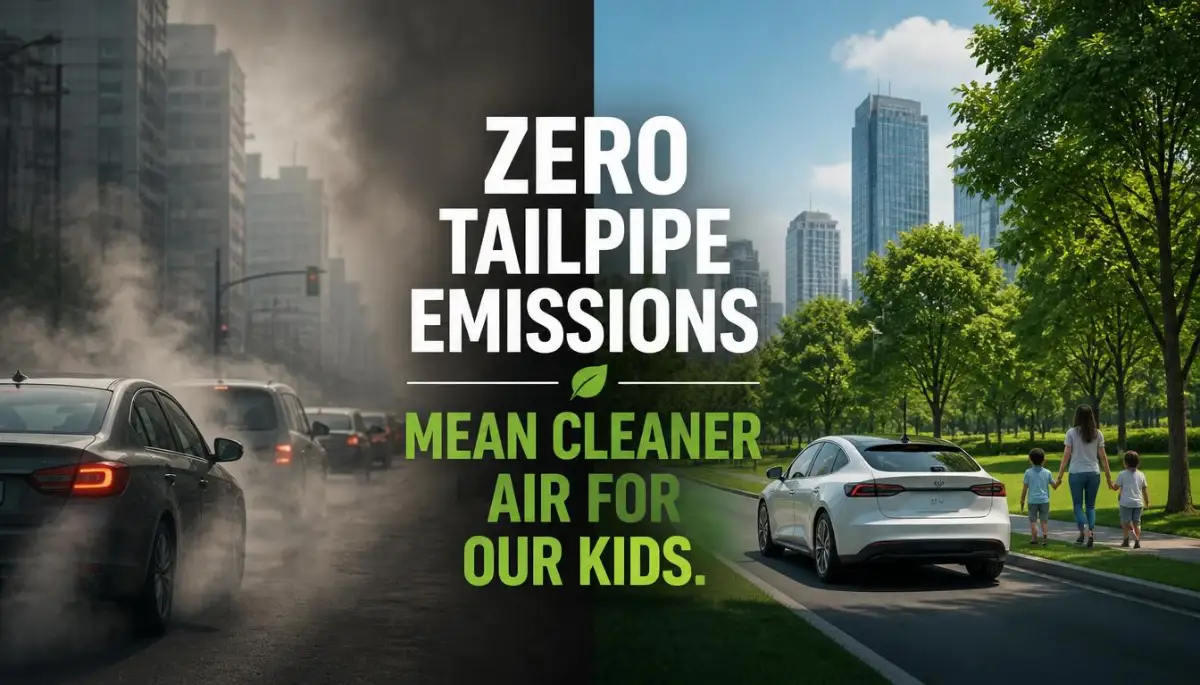
When we talk about the environment, we often talk about big numbers. But let’s keep it simple. Electric vehicles (EVs) do not have a tailpipe. This means they do not release smoke while you drive them. This one change can transform our cities.
Cleaning Up the Air We Breathe
Most petrol cars release nitrogen oxides and tiny particles. These tiny bits of dirt go deep into your lungs. They cause asthma and heart problems. When you switch to an electric car, you stop adding to this local pollution. Imagine a city center where you can actually smell the rain instead of exhaust fumes.
In many busy areas, the air quality is so poor that it is dangerous to exercise outside. By removing petrol engines, we are essentially cleaning our shared home. It is like taking a giant vacuum cleaner to the sky. This is a massive win for public health. We spend billions on healthcare for breathing issues. A shift to electric transport is a direct investment in our physical well-being.
The Silent Revolution on Our Streets
Have you ever noticed how loud a busy road is? The constant roar of engines creates a baseline of stress. Studies show that long-term noise pollution leads to high blood pressure and lack of sleep.
Electric cars are almost silent at low speeds. When a street becomes full of EVs, the noise drops significantly. This changes the vibe of our neighborhoods. You can hear the birds again. You can have a conversation on the sidewalk without shouting. This "quietness" is an environmental benefit that people often overlook. It brings a sense of calm back to our busy lives.
Looking at the Bigger Picture: The Carbon Footprint
A common question people ask is: "Is an electric car really greener if the electricity comes from coal?" This is a fair question. Let’s look at the facts.
Higher Efficiency Means Less Waste
Petrol engines are very wasteful. Only about 20% of the energy in the fuel actually moves the car. The rest is lost as heat. Electric motors are much more efficient. They convert over 80% of the energy into motion.
Even if your local power grid uses some fossil fuels, an EV is still usually cleaner. Why? Because large power plants are better at managing emissions than thousands of tiny car engines. As we add more solar and wind power to the grid, your electric car gets even cleaner every year without you doing anything.
The Life of a Battery vs. Constant Burning
Some people worry about the mining needed for EV batteries. It is true that making a battery has an environmental cost. However, we must compare this to the alternative. A petrol car burns thousands of gallons of fuel over its life. That fuel must be drilled, refined, and shipped across the world. This is a never-ending cycle of pollution.
An EV battery is made once. After many years, it can be recycled. We are moving from a "burn and waste" system to a "build and reuse" system. This is a fundamental shift in how we treat the Earth's resources.
Myths vs. Reality: Setting the Record Straight
There is a lot of "fake news" about electric cars. Let’s clear up some confusion.
Myth: Electric cars are just as bad because of the factory smoke.
Reality: While making an EV produces more CO2 initially, the "break-even" point happens very fast. Usually, within one or two years of driving, the EV becomes much cleaner than a petrol car. Over the full life of the car, the EV wins by a landslide.
Myth: EV batteries just end up in landfills.
Reality: Battery recycling is a huge growing industry. Companies are now able to recover up to 95% of the materials like lithium and cobalt. Old car batteries can also be used to store solar energy for homes. They get a second life before they are ever recycled.
How You Can Start Making a Difference Today
You do not have to buy a brand-new luxury electric car to help. The shift is happening in many ways.
Support Public Electric Transport
Many cities are replacing old diesel buses with electric ones. Using an electric bus is one of the best ways to reduce your footprint. It takes dozens of cars off the road. It also shows the government that people want clean transport.
Consider Your Next Move
If you are planning to buy a car soon, look at your options. Small electric cars or plug-in hybrids are becoming much more affordable. Think about how much you drive daily. Most people drive less than 40 miles a day. A basic EV can handle this easily.
Talk About the Benefits
Word of mouth is powerful. Tell your friends about the quietness of EVs. Talk about the lack of oil changes. When people see that EVs are practical, they lose their fear of switching. Change happens faster when we share our positive experiences.
The Long-Term Impact on Nature and Wildlife
Pollution from petrol cars does not just stay on the road. It washes into our soil and water. Oil leaks from millions of cars end up in our rivers. This hurts fish and birds.
By switching to electric, we reduce the demand for oil drilling. This means fewer oil spills in our oceans. It means fewer pipelines cutting through forests. We are protecting the habitats of animals that cannot speak for themselves.
Choosing an electric future is a way of saying we care about the whole planet, not just our commute. It is a step toward a world where technology and nature can exist together in balance.
Practical Tips for Transitioning to Greener Travel
Transitioning to electric transport might feel scary, but it can be done in stages. You don't have to change everything overnight.
1. Research Your Local Charging Scene
Before you think about the car, look at where you can charge. Many grocery stores and malls now offer free or cheap charging. Knowing where the "fuel" is will give you peace of mind. You might find that there are more spots than you realized.
2. Test Drive the Experience
Rent an electric car for a weekend. Feel the instant power when you press the pedal. Notice how quiet it is. Once you feel the difference, going back to a vibrating, noisy petrol engine feels like stepping into the past. It is a sensory shift that usually convinces people more than any data point.
3. Focus on "Total Cost of Ownership"
A petrol car seems cheaper at first. But add up the gas, the oil changes, the brake repairs, and the smog tests. Electric cars have far fewer moving parts. No spark plugs. No timing belts. No exhaust systems. Over five years, you will likely save a lot of money. Saving money while saving the planet is a win-win.
A Greener Path Forward
We are at a turning point. The old way of moving around was powered by burning things and creating smoke. The new way is powered by light, wind, and chemistry. It is a cleaner, smarter, and more respectful way to travel.
Switching to electric transportation is not just a trend. It is a necessary evolution. Every petrol engine we retire is a gift to the future. We are building a world where our lungs are clear, our streets are quiet, and our conscience is light.
Take a moment to imagine your neighborhood without the smell of exhaust. Imagine a morning walk where the air feels as fresh as a forest. That world is possible. It starts with the choices we make today about how we get from point A to point B. Let's choose the path that keeps our Earth green and our future bright
Maximizing Your Eco-Friendly Journey: Pro Habits for a Cleaner World
Making the switch to an electric vehicle (EV) is a huge first step. But did you know that how you drive and charge can actually change how green your car really is? If we want to truly help the Earth, we need to look beyond just owning the car. We need to focus on the small, daily habits that keep the air clean and the battery healthy for a long time.
One of the best secrets is called "Smart Charging." Most people just plug their car in as soon as they get home from work. However, the energy on the power grid changes throughout the day. In many places, the sun is shining brightest in the middle of the day, or the wind is blowing hardest late at night. If you charge your car during these times, you are literally filling your tank with 100% natural energy. Many modern cars allow you to set a timer so the charging starts exactly when the grid is the cleanest. This simple habit reduces the need for backup coal plants to turn on.
Another expert secret involves mastering "Regenerative Braking." This sounds like a technical term, but it is actually very simple. In a petrol car, when you hit the brakes, all that energy is lost as heat. In an electric car, the motor turns into a generator and puts that energy back into the battery. You can actually drive with one pedal most of the time. If you learn to anticipate stops and let the car slow itself down, you extend your range and save your brake pads from wearing out. Less wear means less toxic dust flying into the air.
Temperature also plays a huge role in your environmental impact. Batteries are like humans; they don't like being too hot or too cold. On a very hot day, parking in the shade can save a lot of energy because the car doesn't have to work as hard to cool the battery. If you are curious about keeping your car in top shape, you should check out these simple habits to protect your electric vehicle battery life. These small steps ensure that your battery stays out of a recycling center for as long as possible.
We should also think about our tires. Because electric cars are heavier and have a lot of power, they can wear out tires faster if you are not careful. A heavy foot at a green light might be fun, but it releases tiny bits of rubber into the environment. Driving smoothly is the ultimate pro-level secret. It keeps the ride quiet, saves energy, and protects the local soil from tire pollution.
Finally, let’s talk about the "Long-Term Mindset." Most people trade in their cars every few years. However, the greenest car is the one that stays on the road the longest. Maintaining your vehicle properly means you are delaying the carbon cost of building a brand-new one. If you aren't fully ready for a total electric move and are still using a mix of power, understanding hybrid engine care and longevity is just as important. Keeping any vehicle running efficiently is a direct win for the planet.

Heartbreaking Mistakes That Can Ruin Your Green Progress
When we try to do something good, we often jump in without all the facts. This leads to common mistakes that can hurt both your wallet and the planet. One of the biggest traps is "Extreme Charging." Some owners think they should always charge their battery to 100% and let it run down to 0%. This is a mistake. It puts a lot of stress on the battery cells. Over time, this makes the battery hold less power. If your battery dies early, the environmental cost of replacing it is very high. Think of your battery like a rubber band; don't stretch it to the absolute limit every day.
Another common pitfall is ignoring your tire pressure. It sounds like a small thing, but low tire pressure creates a lot of "rolling resistance." This means your car has to pull more energy from the grid to move the same distance. Driving on soft tires is like trying to run through sand. It is tiring for the car and wasteful for the environment. A quick check once a month can save you a surprising amount of energy.
We also see many people falling for "Range Anxiety." This is the fear that you will run out of power in the middle of nowhere. Because of this fear, people often carry heavy items in their trunk "just in case" or drive much faster to reach a charger sooner. Weight is the enemy of efficiency. Carrying an extra 100 pounds of unnecessary gear is like throwing energy out the window. According to data from the International Energy Agency (IEA), improving driving efficiency is one of the fastest ways to reduce overall transport emissions.
Perhaps the most emotional mistake is neglecting the "human" side of the switch. Some people get an electric car but keep their old driving habits from the petrol world. They speed, they brake hard, and they ignore the car's eco-settings. An electric car is a tool for a new lifestyle, not just a faster way to drive like before. If you treat it like a racing machine, you lose the peace and the environmental benefits that the car was built for. It’s like buying a high-tech water filter but then filling it with muddy water.
Lastly, some people forget to look at where their home energy comes from. If you switch to an EV but don't look into solar panels or a "green energy" plan from your provider, you are missing half the magic. Your car is only as clean as the fuel you put in it. Even if you can't get solar panels today, many power companies offer "Renewable Energy Certificates." This ensures that for every kilowatt you use, the company puts renewable energy back into the system. Missing this step is like buying an organic salad but dressing it with unhealthy oils.
A New Legacy: Why Your Choice Matters Today
We often feel like we are too small to change the world. But every time you choose an electric motor over a petrol engine, you are voting for a different future. You are telling the car companies that we don't want smoke anymore. You are telling the city planners that we want quiet streets. This is how big changes start—with one person making a smarter choice.
Think about the silence of a morning drive. Think about the fact that your car isn't leaking oil into the driveway. These small wins add up to a massive shift in how we treat our home. We are moving away from a world of "taking" and toward a world of "balancing." It is a powerful feeling to know that your commute is no longer part of the problem.
I want to encourage you to keep learning. The world of electric transport is changing so fast. New ways to recycle batteries and better ways to charge are being discovered all the time. Staying informed is your superpower. You are not just a car owner; you are a pioneer in a global movement for clean air.
If you find yourself worried about the costs or the technical side, remember that every new technology goes through this phase. There was a time when petrol cars were scary and hard to find fuel for, too! Today, we have the chance to be part of the solution. Your children and grandchildren will look back and thank you for being brave enough to change.
Your Clean Air Action Plan
So, where do you go from here? You don't have to be an expert to start. Here is a simple way to move forward today:
- Check Your Power: Call your electric company and ask if they have a "Green Energy" plan. It often costs just a few cents more but makes a world of difference.
- Adjust Your Settings: If you already drive an electric or hybrid car, turn on "Eco Mode" and "Regenerative Braking" today. Get used to the feel of the car helping you save energy.
- Share the Quiet: Take a friend for a ride. Let them feel the silence and the smooth power. Often, people just need to see that it works to lose their fear.
- Stay Connected: Keep reading about how technology is helping the Earth. For example, learning about the real power of blockchain technology can show you how we might soon track green energy more accurately.
![How to Change a Flat Tire in an Emergency [Avoid Being Stranded]](https://topic36.com/storage/uploads/blogs/1787755147_how-to-change-a-flat-tire-in-an-emergency-avoid-being-stranded.webp)