Stranded and Stressed: When the Road Bites Back
I remember the exact moment my steering wheel started shaking aggressively on a dark, empty highway. My heart pounded in my chest as the loud, rhythmic thumping noise filled the cabin. I was completely alone, miles away from the nearest service station, and panic immediately set in. I had never changed a flat tire before, and the thought of doing it right there terrified me. The pouring rain outside only made my anxiety worse. I just sat there gripping the wheel, feeling entirely helpless and wishing I had paid more attention to my dad's advice.
Every single day, thousands of regular drivers face this exact nightmare on their daily commutes. You are driving along peacefully, maybe heading to an important meeting or simply picking up your kids from school. Suddenly, a sharp piece of debris ruins your tire and brings your entire day to a grinding halt.
The sheer helplessness of being stranded on the side of the road can easily ruin your mood and your schedule. You start worrying about the cost of a tow truck and the danger of cars speeding past you. It messes with your peace of mind and leaves you feeling incredibly vulnerable.
Many people simply freeze up because they believe automotive repair is completely out of their skill set. They stare at the trunk of their car, completely overwhelmed by the strange metal tools hidden underneath the floor mat. Waiting for hours for roadside assistance is incredibly frustrating, especially when you have places to be.
This unexpected stress can take a massive toll on your mental health during that moment. Your mind races with worst-case scenarios, and the feeling of losing control over your own safety is terrifying.
But it truly does not have to be this way, and taking back control is much easier than you might think. By understanding a few basic physical mechanics, you can handle this situation with total confidence.
The Ultimate Flat Tire Survival Blueprint
Getting out of this stressful situation requires a calm mind and a clear plan of action. We are going to break down the exact logical steps you need to safely swap out that damaged rubber. You will learn the exact physics and safety rules that professionals use every single day.
Securing a Safe Zone Before Touching Any Tools
The absolute first thing you must do is protect yourself from passing traffic. Do not immediately slam on your brakes when you hear that terrifying popping sound. Instead, firmly grip the steering wheel, take your foot off the gas pedal, and gently allow the car to slow down on its own.
Turn on your hazard lights immediately so other drivers know you are experiencing an emergency. Look for a wide, perfectly flat shoulder, an empty parking lot, or a quiet side street to pull over safely. The ground must be completely level and solid to prevent the car from rolling.
Never attempt to lift a vehicle on soft dirt, wet grass, or a steep hill. Gravity will quickly work against you, and the car can easily slip off the metal jack, causing a massive disaster. Once you find a safe spot, put the vehicle in Park and engage the emergency parking brake as tight as it will go.
If you have heavy rocks, bricks, or specialized wheel chocks, place them firmly behind the tires on the opposite side of the flat. This simple safety measure completely stops the vehicle from rolling backward. Your safety is always your absolute first priority, well before you even think about grabbing a wrench.
Gathering Your Arsenal (And What You Actually Need)
Before you get your hands dirty, you need to locate your emergency equipment. Most modern vehicles hide the spare tire and the tool kit directly under the floorboard of the trunk. You will usually find a small metal jack, a lug wrench, and a compact donut tire.
Take a moment to carefully pull everything out and lay it on the ground where you can easily reach it. Being organized saves you from frantically searching for tools while vehicles zoom past you.
Here is a quick look at what you need to successfully complete this task:
The Art of Breaking Lugs Without Breaking Your Back
This is the exact step where most beginners struggle, get frustrated, and simply give up. You must loosen the metal lug nuts while the flat tire is still firmly resting on the solid ground. If you try to loosen them after lifting the car, the wheel will simply spin in the air, and you will get absolutely nowhere.
Take your lug wrench and place it securely over the first metal nut. Remember the golden rule of mechanics: righty-tighty, lefty-loosey. You want to push the wrench firmly to the left, or counter-clockwise, to break the tight seal.
I used to think jumping on the tire iron was a great idea until I slipped and nearly broke my ankle. My best advice is to use your body weight by simply leaning into the wrench while keeping both feet firmly on the ground. This simple change gives you maximum leverage without putting your safety at risk.
You do not want to remove the nuts completely at this stage. You only want to break the heavy resistance and loosen them about one half-turn. Go around the circle and loosen every single nut just enough so they can be turned easily by hand later.
Watching someone break loose a stubborn lug nut can make the whole process click instantly in your mind. Check out this quick visual demonstration to see exactly how to position your hands and body for maximum leverage!
Lifting the Vehicle with Total Confidence
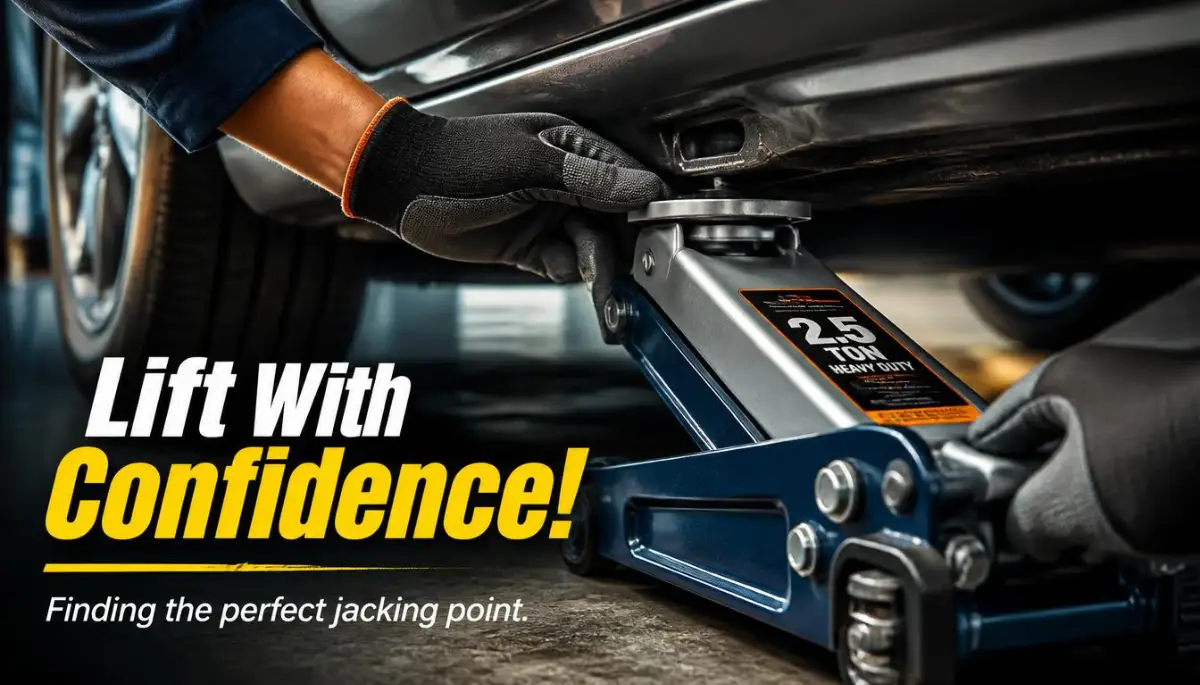
Now that the nuts are successfully loosened, it is time to bring out the heavy lifter. Your car manual will show you the exact designated jacking points underneath your specific vehicle model. These points are usually reinforced areas of bare metal located right behind the front wheels or right in front of the rear wheels.
Never place the jack under a fragile plastic molding or a weak body panel. The intense weight of the vehicle will easily crush the plastic and cause thousands of dollars in terrible damage. Carefully position the jack directly under the strong metal frame and start turning the handle clockwise.
Slowly raise the lifting plate until it makes solid contact with the metal frame. Double-check your positioning to ensure the tool is sitting perfectly straight and not leaning to one side. Once you confirm it is secure, continue turning the handle to slowly lift the vehicle into the air.
You need to lift the car high enough so the damaged wheel is completely off the ground. Remember that your fully inflated spare tire will require slightly more vertical clearance than the flattened tire currently sitting there. Give yourself an extra inch or two of space so you can easily slide the new wheel onto the hub.
Swapping the Rubber and Securing the Wheel
With the vehicle resting safely in the air, you can now completely remove the loosened lug nuts. Keep them together in a safe, visible spot, like inside the inverted hubcap or in your deep pocket. You do not want them rolling away down a dark storm drain.
Grab the flat tire with both hands, wiggle it slightly, and pull it straight toward your body. It might feel a bit heavy, so bend your knees slightly to protect your lower back from strain. Roll the damaged tire entirely out of your way so you have a clear working area.
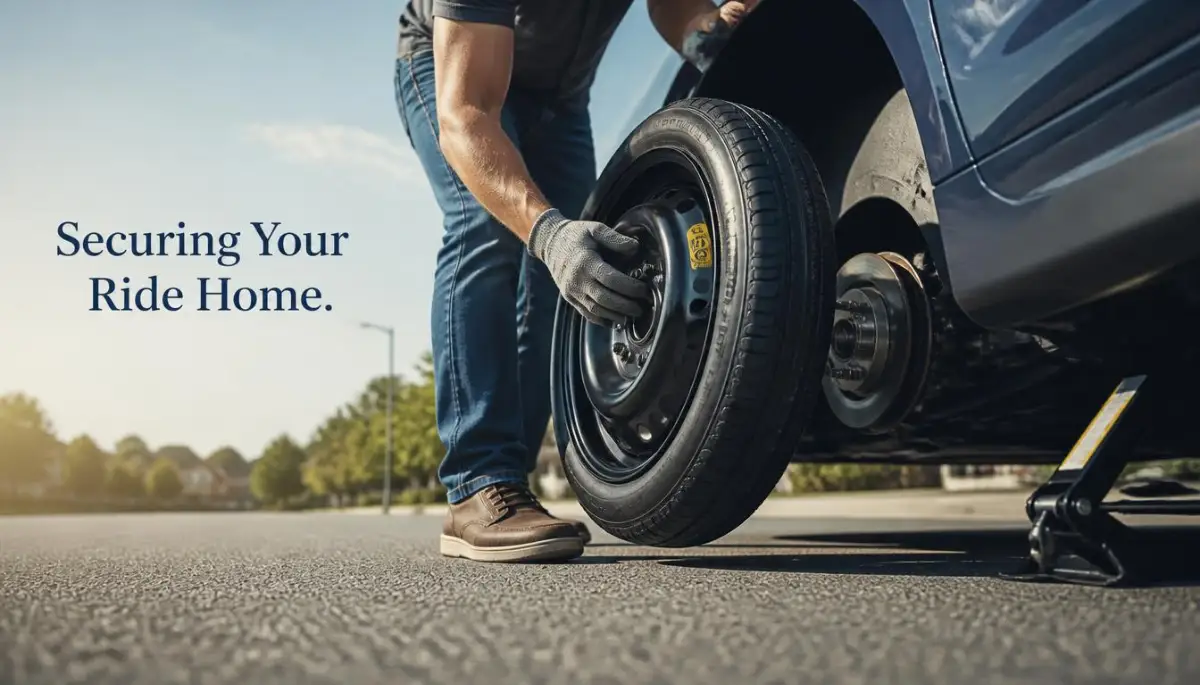
Now, lift your fresh spare tire and line up the metal holes with the exposed threaded bolts on the wheel hub. Push the spare tire gently all the way back until it sits perfectly flush against the metal mounting surface.
Take your lug nuts and begin threading them back onto the bolts using only your bare fingers. Spin them clockwise as far as they will easily go without using the heavy wrench. This guarantees that the wheel is sitting perfectly straight and prevents you from accidentally damaging the delicate metal threads.
The Engineering Magic of the Star Pattern
You might think you can just tighten the nuts in a simple circle, but that is a dangerous mistake. Engineers heavily recommend using a specific tightening sequence known as the star pattern.
If you have five bolts, you should tighten one, then move directly across the circle to the opposite bolt. It is exactly like drawing a five-pointed star on a piece of paper. This specific method ensures the heavy metal wheel is pressed evenly against the hub.
If you tighten them in a simple circle, the wheel can easily become crooked and wobbly. A crooked wheel will vibrate violently when you drive and can eventually snap the metal bolts right off. Lightly tighten them with your wrench using this star pattern while the car is still up in the air.
Lowering the Vehicle and Final Tightening
You are now in the final stretch of this roadside repair mission. Carefully grab the handle of your jack and begin turning it slowly to the left. The vehicle will smoothly descend back toward the solid pavement.
Remove the jack entirely from underneath the car once the fresh tire is fully resting on the ground. Now that the rubber has full traction against the street, you can safely apply maximum force. Take your lug wrench and tighten every single nut as hard as you physically can.
Remember to use that same exact star pattern to guarantee an even, secure fit. You want them to be incredibly tight so there is absolutely no chance of the wheel coming loose on the highway.
Pack up your heavy tools, the broken flat tire, and your warning signs back into your trunk. Take a deep breath and feel the massive sense of accomplishment washing over you. You just handled a stressful emergency situation entirely on your own without waiting hours for help.
Common Flat Tire Myths That Could Cost You
There is a lot of terrible advice floating around the internet about automotive repairs. Believing these common myths can easily put you in a dangerous situation. Let us clear up some of the biggest misunderstandings about your emergency spare.
- Myth: You can drive on a compact donut tire for a whole month.
- Reality: Compact spares are strictly designed for short distances, usually no more than fifty miles. They lack the thick tread and physical durability of standard rubber.
- Myth: You can drive at normal highway speeds with a spare.
- Reality: Most small spares have a strict physical speed limit of fifty miles per hour. Driving faster than this can easily cause the temporary tire to violently blow out.
- Myth: Flat tires always happen because of old, worn-out rubber.
- Reality: Even a brand-new set of expensive wheels can quickly fall victim to a sharp nail on the road. Regular inspections are extremely helpful, but they cannot prevent random street debris from striking.
Understanding these simple facts keeps you safe after you successfully finish the swap. Always head directly to a professional repair shop to get your main tire permanently patched or entirely replaced. Your temporary donut is just a quick bandage designed to get you out of immediate danger.
Dealing with unexpected road hazards is simply a normal part of being an independent driver. Now that you know the precise physical steps, you never have to feel terrified or helpless again. You have the exact knowledge and the basic tools required to handle the situation like an absolute professional. Keep this simple guide stored in your memory, and you will always be ready for whatever the road throws your way.
Next-Level Preparation for the Open Road
Handling a roadside emergency once is a huge accomplishment, but true automotive independence comes from preventing the panic altogether. The absolute best time to prepare for a blowout is when your car is safely parked in your own driveway on a sunny afternoon.
Most people never even think about their spare wheel until they are stuck in the freezing rain on a dark highway. You can easily stay one step ahead by implementing a few professional habits into your monthly routine. These simple adjustments will transform you from a nervous driver into someone who is completely ready for anything.
The Forgotten Donut in Your Trunk
Think of your emergency tire just like a household fire extinguisher. You hope you never have to use it, but it must be fully functional when disaster strikes. A completely flat spare is the ultimate nightmare scenario when you are already dealing with a blowout.
Rubber naturally loses air pressure over time, even when it is just sitting perfectly still in a dark trunk compartment. You need to pull that compact tire out at least once every three months and check the air levels. You can use a cheap digital gauge from any auto parts store to confirm it matches the exact pressure listed in your owner's manual.
Getting into the habit of monitoring your equipment aligns perfectly with how we manage other parts of our lives. Just like you focus on taking control of your financial future by saving money, you must plan for your physical safety by maintaining your gear.
Upgrading Your Emergency Arsenal
The factory tools included with most modern vehicles are designed specifically to be lightweight and cheap. The standard lug wrench is usually very short, which gives you terrible leverage when trying to remove stubborn bolts.
Consider investing in a dedicated, long-handled breaker bar or a four-way cross wrench. These specific tools provide incredible twisting power, allowing you to loosen tight nuts with barely any physical effort. Tool brands spend millions on building products that people actually love to use, so take advantage of ergonomic emergency gear.
You should also keep a bright LED headlamp in your glove box alongside your paperwork. Holding a slippery metal flashlight in your mouth while trying to lift heavy machinery is frustrating and highly dangerous. A good headlamp keeps both of your hands completely free so you can focus entirely on the mechanical repair.
The Magic of Portable Air Compressors
Sometimes, what you think is a catastrophic blowout is actually just a very slow leak caused by a tiny nail. In these specific situations, you might not even need to remove the wheel at all.
Keeping a small, 12-volt portable air compressor in your trunk is an absolute game-changer for road trips. You simply plug the device directly into your dashboard power outlet and attach the hose to your valve stem.
This simple gadget can quickly inflate a sagging wheel, giving you enough driving time to reach a proper repair shop safely. According to the National Highway Traffic Safety Administration's tire maintenance guidelines, maintaining proper inflation is the number one way to prevent sudden blowouts on the highway.
Organize Your Safe Space
When panic sets in, you do not want to be digging through piles of old gym clothes and empty water bottles to find your metal jack. You need immediate, clear access to your heavy equipment the moment you pull over.
Take an hour this weekend to completely clean out your storage area and neatly pack your emergency supplies in a dedicated heavy-duty bag. You can think of this process as maximizing small spaces in a tiny apartment so everything has a strict, functional purpose. A well-organized trunk saves you precious minutes when you are parked dangerously close to speeding traffic.
The Dangerous Traps Most Drivers Fall Into
Even if you understand the basic mechanical steps, the stress of an emergency can easily cloud your judgment. People often rush through the process because they just want to get back inside their warm, comfortable cabin. Unfortunately, taking shortcuts with heavy automotive machinery can lead to terrifying consequences.
Understanding these common pitfalls before they happen will save you from extremely expensive repair bills. More importantly, it will protect you and your passengers from serious physical harm. Let us break down the exact mistakes you must avoid at all costs.
The Plastic Crushing Disaster
This is without a doubt the most expensive mistake a stressed driver can possibly make. When you are rushing to lift the vehicle, it is incredibly tempting to place the metal jack just anywhere underneath the doors.
Most modern vehicles feature a thick layer of cosmetic plastic covering the bottom edges to improve aerodynamics. If you put the heavy lifting tool under this fragile plastic, it will instantly shatter the moment you apply upward pressure.
You will hear a horrifying cracking sound as the entire side of your beautiful vehicle caves in. Always take an extra thirty seconds to get low to the ground and physically touch the solid metal frame before turning the handle.
The Highway Speed Demon Error
There is a very specific reason why your compact spare is painted bright yellow or black with massive warning stickers. It is a highly temporary solution built with very thin rubber and zero advanced structural support.
I constantly see people flying down the passing lane doing seventy miles per hour on a tiny, wobbling donut. This completely ignores basic physics and puts everyone on the road in extreme danger.
These temporary wheels have strict speed limits, usually capped entirely at fifty miles per hour. If you drive too fast, the intense heat friction will cause the thin rubber to melt and explode, leaving you totally stranded again.
Trusting Only Your Bare Hands
After you successfully swap the heavy rubber and lower the car, you might think the difficult work is over. You tighten the metal nuts with your arms, dust off your knees, and drive away feeling proud.
But failing to apply massive body weight during that final tightening phase is a fatal error. The violent vibrations of driving will slowly loosen those nuts if they are not perfectly secured.
Imagine driving along a busy bridge and suddenly watching your own wheel detach and roll past your window. Always stand up, place your foot safely on the wrench handle, and use your leg muscles to give those bolts one final, aggressive push.
Ignoring the Surroundings
We constantly search for simple ways to fix your slow internet connection or upgrade our home gadgets, yet we ignore the heavy machines we drive daily. We also tend to ignore the physical environment when our car breaks down.
Never attempt a repair on the side of a busy interstate if you cannot safely put at least ten feet of empty space between your body and passing trucks. The massive wind force generated by an eighteen-wheeler can easily knock you completely off your feet.
If the shoulder is too narrow, call the highway patrol and let them block the lane with their flashing lights. Professional automotive engineers following Automotive Service Excellence (ASE) safety protocols always prioritize a safe working environment above any mechanical repair. Your life is infinitely more valuable than a piece of damaged rubber, so never risk your body for a piece of metal.
Your Personal Action Plan for Automotive Independence
You now possess the exact knowledge required to turn a terrifying roadside nightmare into a minor, manageable inconvenience. You understand the physical physics of leverage, the importance of solid ground, and the strict rules of temporary hardware.
The heavy anxiety that used to sit in your chest when driving long distances can finally melt away. You are no longer entirely dependent on expensive tow trucks or strangers stopping to help you in the rain.
Take a few moments this weekend to open your trunk, touch the cold metal tools, and visually locate your vehicle's specific jacking points. This simple physical rehearsal builds massive confidence and burns the logical steps directly into your muscle memory.
You can easily handle this challenge because you have a clear, step-by-step blueprint to follow. Remember that staying calm and thinking clearly is the ultimate secret to successfully managing everyday challenges safely.
When you approach the situation with patience and respect for the machinery, everything falls perfectly into place. You are fully capable, you are completely prepared, and you are ready to take total control of your own journey.
Common Questions About Roadside Emergencies
How long can I actually drive on a temporary donut tire?
You should treat your compact spare like an emergency band-aid, not a permanent cure for your vehicle. Most manufacturers strongly recommend driving absolutely no more than fifty to seventy miles on a temporary wheel. You should drive straight to a professional mechanic to get your standard rubber patched or completely replaced.
Is it completely safe to do this repair on a busy interstate?
It is extremely dangerous to work just inches away from vehicles traveling at high highway speeds. If you cannot pull off the next exit or find an incredibly wide shoulder, stay inside your car with your seatbelt fastened. It is always better to call emergency services to block the lane than to risk getting hit by a distracted driver.
Why won't my lug nuts come loose even when I push hard?
Sometimes mechanics use heavy pneumatic air guns that overtighten the metal bolts far beyond normal human strength. If your wrench simply will not budge, try carefully placing your foot on the horizontal bar and applying your body weight downward. Just make sure the wrench is seated perfectly straight so it does not suddenly slip off and hurt your leg.
Do I always have to throw away my tire after it goes flat?
Not at all, especially if the damage was caused by a simple nail perfectly in the center of the thick tread block. Professional repair shops can easily install a permanent rubber plug and patch from the inside for a very low cost. However, if the sharp puncture is located on the thin sidewall, the entire tire must be safely replaced.
What should I do if my metal jack starts sinking into the ground?
You must stop turning the handle immediately and slowly lower the car back down. Sinking means the ground is way too soft, and the heavy vehicle will eventually slip off the metal plate and crash. You must slowly drive the car to a solid concrete or asphalt surface before attempting to lift it again.
I truly hope my messy past experiences and the mistakes I made help you stay completely safe on your future road trips. I learned these lessons the hard way on a freezing rainy night, but now my trunk is fully stocked, and my anxiety is completely gone. You have the exact same power to take control today, so grab your gear and drive with total confidence!
Disclaimer: The information provided in this article is for general educational and informational purposes only. Automotive repairs involve heavy machinery and can be extremely dangerous if proper safety protocols are not strictly followed. Always consult your specific vehicle owner's manual for exact instructions and safety warnings. If you are ever unsure about your physical ability to safely perform a repair, or if you are in a highly dangerous traffic location, please contact professional roadside assistance immediately.