
The Secret Anxiety of Modern Hybrid Owners
Think back to the day you first drove your hybrid car home. You probably felt a sense of pride. You were saving money on gas and doing something good for the planet. The drive was silent, smooth, and felt like the future.
But then, a few months later, a small thought starts to creep in. Is a hybrid engine harder to maintain than a regular car? You hear stories about expensive battery replacements. You see strange symbols on the dashboard that you never saw in your old Toyota or Honda.
This is where the stress starts. You wonder if you are missing something. Will a simple mistake cost you thousands of dollars later? Many people feel trapped between the joy of saving fuel and the fear of a massive repair bill.
I have talked to many drivers who feel this exact way. They treat their hybrid exactly like a 1990s gasoline car. This is a big mistake. A hybrid is a complex machine with two hearts: a gasoline engine and an electric motor.
When these two systems don't get the specific care they need, things go wrong. You might notice your gas mileage dropping. Or maybe the car feels "heavy" when it switches between modes. That sinking feeling in your stomach when the "Check Hybrid System" light flickers is something I want to help you avoid.
We are going to take away that mystery today. You don't need to be a scientist to keep your car healthy. You just need a clear roadmap. Let's look at how we can give your car the long life it deserves while keeping your bank account safe.
Why Your Hybrid Engine is a Different Kind of Beast
To take care of your car, you first need to understand why it is unique. A traditional car engine runs all the time while you drive. A hybrid engine is different because it cycles on and off constantly.
This constant stopping and starting is great for your fuel tank. However, it creates a unique environment inside the engine. Since the engine isn't always running, it may not stay as hot as a regular engine. This can lead to moisture buildup in the oil.
If you ignore this, that moisture turns into sludge. Sludge is the enemy of any engine. It makes the parts work harder and wear out faster. We want to prevent this by following a specific routine that respects the hybrid's design.
The Truth About Oil Changes in Hybrids
One of the biggest questions I get is about oil. People think that because the engine runs less, they can skip oil changes. This is a dangerous myth. In fact, because of the moisture issue I mentioned, regular oil changes are even more important.
Most modern hybrids use low-viscosity synthetic oil. This oil is thin, like water, to help the engine start quickly and smoothly. If you use the wrong oil, you create friction. Friction leads to heat, and heat kills engines.
I recommend sticking to a strict schedule. Even if you haven't driven many miles, the oil still ages. It loses its ability to protect the metal parts of your engine. Think of oil as the blood of your car. You want it clean and fresh at all times.
Mastering the Dual Cooling Systems
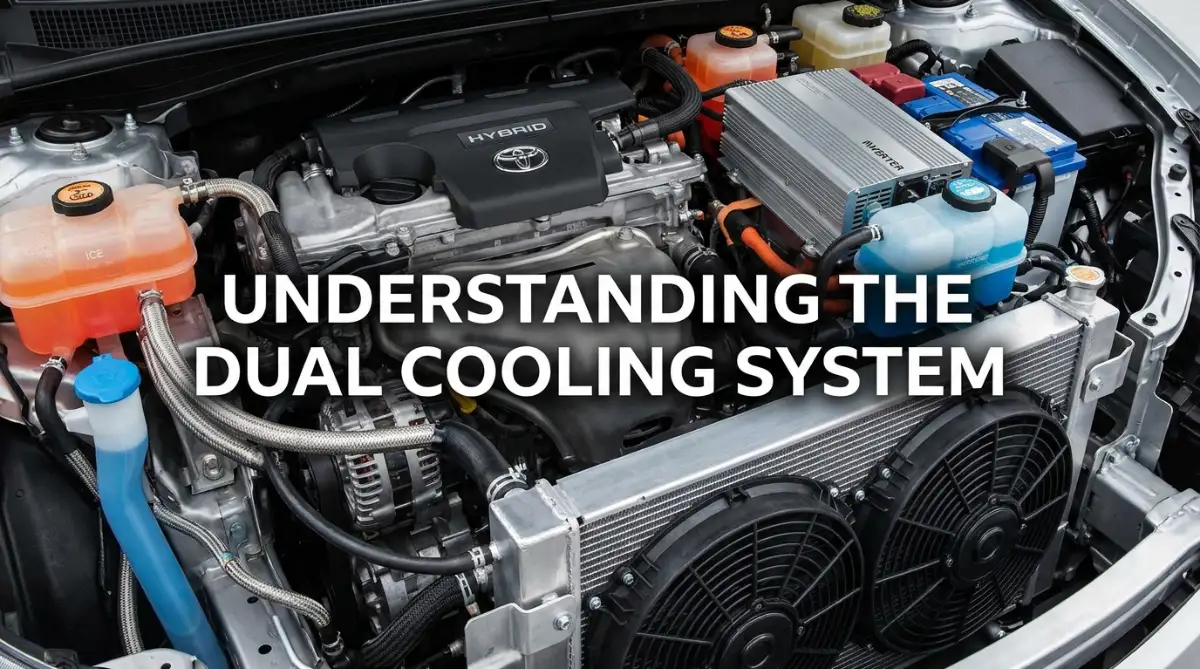
Here is something many owners don't know. Your hybrid actually has two separate cooling systems. One system keeps the gasoline engine from overheating. The second system, often called the inverter cooling system, protects the electric electronics.
If the electric system gets too hot, the car might simply shut down. This is a safety feature, but it can leave you stranded. Checking the coolant levels for both systems is a simple task you can do at home.
Look for two different reservoirs under the hood. They usually contain a bright pink or blue fluid. Never mix different types of coolant. Use only what your manual suggests. This keeps the delicate seals in the electric motor from leaking.
Why Your Brakes Last Longer (But Still Need Love)
Hybrids use a cool technology called regenerative braking. When you step on the pedal, the electric motor turns into a generator. This slows the car down and charges the battery at the same time.
Because the motor is doing the hard work, your actual brake pads don't get used much. They can last twice as long as pads on a regular car! But there is a hidden catch. Because they aren't used often, they can rust or seize up.
I have seen brake pads that still have plenty of "meat" on them, but they were stuck in place because of road salt and dirt. You must have your brakes inspected and lubricated even if you don't hear any squeaking. A little bit of grease on the right parts can save you from a full brake job later.
Protecting the Heart: The Hybrid Battery Filter
This is the most overlooked part of hybrid maintenance. Did you know your big high-voltage battery has its own air filter? Most people have no idea it exists.
The battery is usually located under or behind the back seat. It generates a lot of heat when it works. To stay cool, it pulls air from the cabin through a small vent. If this vent or its filter gets clogged with dust or pet hair, the battery will overheat.
An overheating battery dies much faster. Replacing that battery can cost $2,000 to $5,000. Cleaning or replacing the battery air filter costs almost nothing. I suggest checking this filter every time you change your engine's air filter. It takes two minutes and can save you thousands.
Myth vs. Reality: Hybrid Maintenance Edition
Let's clear up some common confusion that I see on social media and forums.
The Power of the 12-Volt Battery
Everyone talks about the big battery, but the small 12-volt battery is just as important. In a hybrid, this small battery doesn't start the engine. Instead, it "wakes up" the car's computer.
If this small battery is weak, your car won't turn on. You might see weird error messages that have nothing to do with the actual problem. I suggest testing this battery every two years. It is a simple way to prevent a morning where your car refuses to start for no apparent reason.
Keeping the Air Clean for the Engine
Your engine needs to breathe. Because the engine in a hybrid kicks in and out, the air filter can get dirty in strange ways. Sometimes, small debris can settle in the air box while the engine is off.
When the engine suddenly revs up to merge onto a highway, it sucks in that dirt. Check your engine air filter every 15,000 miles. A clean filter means better fuel economy. If the filter is black or grey, replace it. It is one of the cheapest ways to keep your engine happy.
Managing Tire Pressure for Max Efficiency
You bought a hybrid to save gas, right? Well, low tire pressure is a gas killer. Hybrids often use "Low Rolling Resistance" tires. These are special tires designed to glide easily on the road.
If the pressure is low, the electric motor has to work harder to move the car. This drains the battery faster and forces the gas engine to turn on more often. Check your tire pressure once a month. I like to keep mine exactly at the number listed on the driver's side door sticker.
The Importance of Software Updates
Your hybrid is basically a computer on wheels. The way the engine and motor talk to each other is controlled by software. Sometimes, car companies find ways to make the system more efficient.
They release software updates that can improve your MPG or make the battery last longer. These aren't like phone updates that happen over Wi-Fi. Usually, you need to visit a service center. Ask your mechanic to check for "TSBs" (Technical Service Bulletins). It’s a free or low-cost way to make your car "smarter."
Final Thoughts
We have covered a lot of ground. We looked at the engine oil, the two cooling systems, the hidden battery filter, and even the software. Taking care of a hybrid isn't harder; it's just different.
By paying attention to these small details, you are building a shield around your car. You are making sure that you get all the benefits of owning a hybrid without the stress of unexpected repairs. We want your car to be a source of freedom, not a source of worry.
In the next part of this guide, we will look deeper into specific mileage milestones and how to handle long-term storage if you don't drive your hybrid every day. For now, take a look at your battery vent. Is it clean? If so, you are already ahead of 90% of other owners!
Maximizing Your Hybrid System Performance
Owning a hybrid car is like having a sophisticated partner. It works hard to save you money, but it needs a specific type of respect. Most drivers know about oil changes, but few understand the advanced ways to keep a hybrid healthy for a decade or more.
One of the biggest secrets to long-term success is managing the fuel system. Since a hybrid uses the electric motor often, gasoline can sit in the tank for a long time. This is not good for the engine.
Gasoline starts to break down after about a month. This process creates a sticky gum that can clog your fuel injectors. If you don't drive long distances often, your fuel might actually go "stale" while still in the tank.
I always suggest keeping your fuel tank at least half full. This reduces the amount of air in the tank, which slows down the oxidation of the fuel. If you are a very low-mileage driver, consider using a fuel stabilizer to keep the mixture fresh.
The Problem with Carbon Buildup
Hybrid engines face a unique challenge called carbon buildup. Because the gas engine turns on and off so much, it sometimes doesn't stay hot for long. An engine that runs "cold" is prone to leaving carbon deposits on the intake valves.
Over time, these deposits act like a sponge. They soak up fuel and prevent the engine from breathing properly. This leads to a rough idle or a drop in your miles per gallon.
To prevent this, you should occasionally take your car for a "highway run." Driving at consistent speeds for twenty minutes allows the engine to reach its optimal heat. This heat helps burn off those tiny deposits before they become a big problem.
Transmission Care for the Modern Hybrid
Most hybrids don't have a traditional transmission with gears that shift. Instead, they use a Power Split Device or an eCVT. Many mechanics will tell you that this fluid is "lifetime fluid" and never needs changing.
In my experience, "lifetime" usually means until the warranty expires. If you want your car to last much longer, you should consider a transmission fluid flush. Doing this every sixty thousand miles can prevent internal wear that most owners ignore.
Fresh fluid keeps the electric motors inside the transmission cool. Heat is the number one killer of electric components. By spending a little on fluid now, you avoid a five-thousand-dollar bill later.
Keeping the Chassis and Suspension Silent
Hybrids are heavier than regular cars because of the massive battery packs. This extra weight puts a lot of stress on the shocks, struts, and bushings. You might not notice the wear because the car is so quiet.
I recommend a professional suspension check every two years. Worn struts don't just make the ride bumpy; they also affect how the regenerative braking system works. If the car bounces too much, the computer has a harder time managing the energy return to the battery.
Maintaining your vehicle properly is a smart financial move. Much like how to rebuild your credit score after a major financial disaster, taking small, consistent steps can lead to a very stable and rewarding future.
Managing the Auxiliary Battery Health
In the first part of our guide, we talked about the 12-volt battery. But how do you keep it healthy if you don't drive often? A hybrid's 12-volt battery is usually much smaller than a standard car battery.
If you leave the car sitting for a week, this battery can drain. When it drains completely, it loses its ability to hold a full charge. This puts a hidden strain on the high-voltage system, which has to work harder to keep the small battery alive.
If you plan to be away for a while, use a smart "trickle charger" designed for AG batteries. This keeps the voltage steady without overcharging. It is a simple pro-level secret that prevents the dreaded "dead car" syndrome on Monday mornings.

Heartbreaking Errors That Cost Hybrid Owners Thousands
It is painful to see a well-made car go to the scrap yard early because of simple mistakes. I have seen owners treat their hybrid like a toy rather than a high-tech machine. The most common error is ignoring the warning signs until it is too late.
When a hybrid dashboard shows a warning light, it isn't a suggestion. It is a cry for help. Because the systems are so interconnected, a small fault in the cooling system can quickly fry the expensive inverter.
Some people try to save money by using "budget" parts from entrusted sources. In a hybrid, the tolerances are incredibly tight. Using a cheap, non-synthetic oil or a low-quality air filter can trigger sensors that put the car into "limp mode."
The Danger of Independent DIY Repairs
I love a good DIY project, but the high-voltage system in a hybrid is dangerous. The bright orange cables you see under the hood carry enough electricity to be fatal. Never, ever try to open a battery pack or move those orange wires yourself.
Even something as simple as changing a tire requires care. You must ensure the jack is placed on the correct frame points. Placing a jack in the wrong spot can crush the battery casing or damage the high-voltage lines running under the floor.
People often forget that car maintenance affects their overall life stability. Just like is buying a home smarter than renting the real money facts, you have to weigh the long-term costs of your choices. Cutting corners today often leads to a massive crisis tomorrow.
Neglecting the Cooling Fans
I mentioned the battery air filter earlier, but there is also a cooling fan. This fan is the lungs of your hybrid battery. If you live in a dusty area or have pets that shed, this fan can get bogged down.
A slow fan means a hot battery. A hot battery means a shorter lifespan. I have seen owners lose three years of battery life just because they let dog hair clog the intake vent in the back seat.
It is an emotional blow to find out your car needs a new battery because of a bit of dust. Be proactive. Take a vacuum to those vents once a month to ensure your car can breathe freely and stay cool during the summer months.
A New Era of Driving Confidence
You now have the knowledge that separates average owners from hybrid experts. You understand that your car isn't just a vehicle; it's a finely tuned ecosystem of parts working in harmony. This knowledge should give you a great sense of peace.
The road ahead is much smoother when you aren't waiting for the next breakdown. By following these steps, you are protecting one of your biggest investments. You are also ensuring that you continue to get the best fuel economy possible.
According to research by the Society of Automotive Engineers, proactive maintenance is the single biggest factor in vehicle longevity. When you take care of the small things, the big things take care of themselves.
Your Action Plan for This Weekend
Don't let this information just sit in your head. Start today with a simple walk-around. Open your hood and look at the fluid levels in both cooling reservoirs.
Check the back seat vents for any dust or obstructions. If you haven't taken a long highway drive in a while, plan a short trip this weekend to clear out those carbon deposits. These small actions create a habit of excellence that your car will reward.
Remember that health is wealth, and that applies to your body as much as your car. Understanding why your gut bacteria holds the secret to a stronger immune system shows that balance is everything. Keep your car balanced, and it will keep you moving.
Driving into a Brighter Future
You have made a smart choice by choosing a hybrid. You are part of a movement toward efficiency and smarter living. Now, you have the tools to make that choice last for many years to come.
Stay curious and keep learning about your car. The more you know, the less you will fear the "Check Engine" light. You are in control of your car's destiny, and the future looks incredibly bright.
Enjoy the silence of the electric motor and the power of the gas engine. You have earned the right to drive with total confidence. Happy driving, and keep those filters clean!
![How to Change a Flat Tire in an Emergency [Avoid Being Stranded]](https://topic36.com/storage/uploads/blogs/1787755147_how-to-change-a-flat-tire-in-an-emergency-avoid-being-stranded.webp)