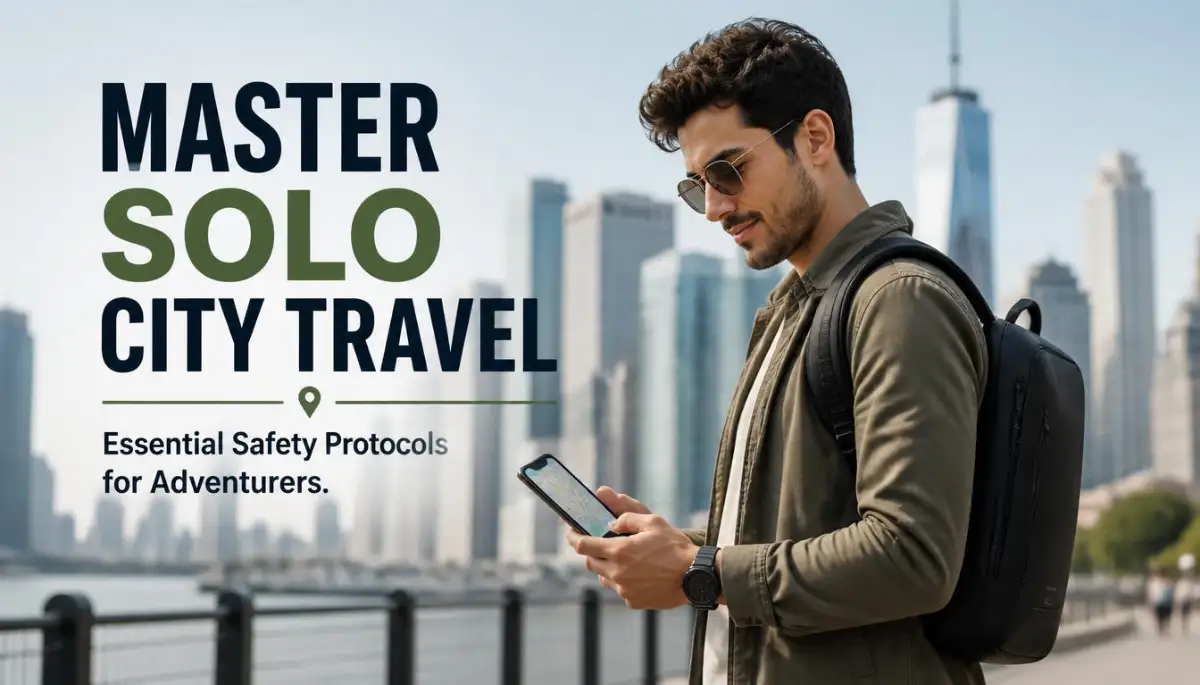
The Invisible Weight of Exploring Alone: Fear vs. Freedom
Walking out of a train station into a city you have never seen before is a rush like no other. You feel the wind, hear the different languages, and see the bright lights. But then, it hits you. That cold shiver down your spine. You realize you are completely alone. Every person passing by is a stranger. Every dark alley looks like a potential trap.
For many solo adventurers, this is the hidden reality. We post beautiful photos on social media, but we don't talk about the anxiety of the sunset. We don't talk about the heavy feeling in our chest when our phone battery hits 5%. It is exhausting to be your own bodyguard 24/7. You want to enjoy the architecture, but you are too busy checking if that person has been following you for three blocks.
I remember my first night in a sprawling metropolis. The streets were a maze. I felt small and vulnerable. I spent more time looking over my shoulder than looking at the monuments. This mental fatigue can ruin a trip. If you are constantly worried about your safety, you aren't really traveling. You are just surviving. This guide is here to change that. We want to move you from a state of "constant worry" to "smart awareness." You deserve to feel the breeze without the fear.
The Pre-Arrival Blueprint: Knowledge is Your First Shield
Before you even step off the plane, your safety journey starts at home. Most people make the mistake of just "winging it." They think they will figure it out when they arrive. This is a huge risk. Research is your most powerful tool. You need to know the layout of the city before you see it.
Start by looking at "heat maps" of the city. Many travel forums and local news sites show areas with higher crime rates. I always mark these "no-go zones" on my digital map. You don't need to be afraid of the whole city. You just need to know which streets to avoid at night.
Pro Tip: The Hotel Gateway Rule
Always book your first two nights in a very central, well-lit area. Even if it costs a bit more, it is worth the peace of mind. Avoid hotels that are too far from public transport. You do not want to be walking through empty industrial areas with a heavy suitcase.
The Art of the "Local Walk": Blending into the Crowd
The biggest threat to a solo traveler is looking like a target. If you stand in the middle of a busy sidewalk, looking confused at a giant paper map, you are screaming "I am a tourist." Criminals look for people who are distracted.
To stay safe, you must master the "Local Walk." Even if you are totally lost, walk with purpose. Walk like you have a meeting to attend. If you need to check your phone for directions, step inside a shop or a cafe. Never stand on a street corner with your phone out for too long.
Watch Your Body Language
Keep your head up. Make brief eye contact with people. This shows you are aware of your surroundings. Pickpockets hate people who look alert. They want the person looking down at their shoes or buried in their phone.
Digital Lifelines: Tech That Keeps You Tethered
In the modern world, your smartphone is your best friend. But it can also be a point of failure if you are not careful. You need to set up your digital safety net before you leave your hotel room.
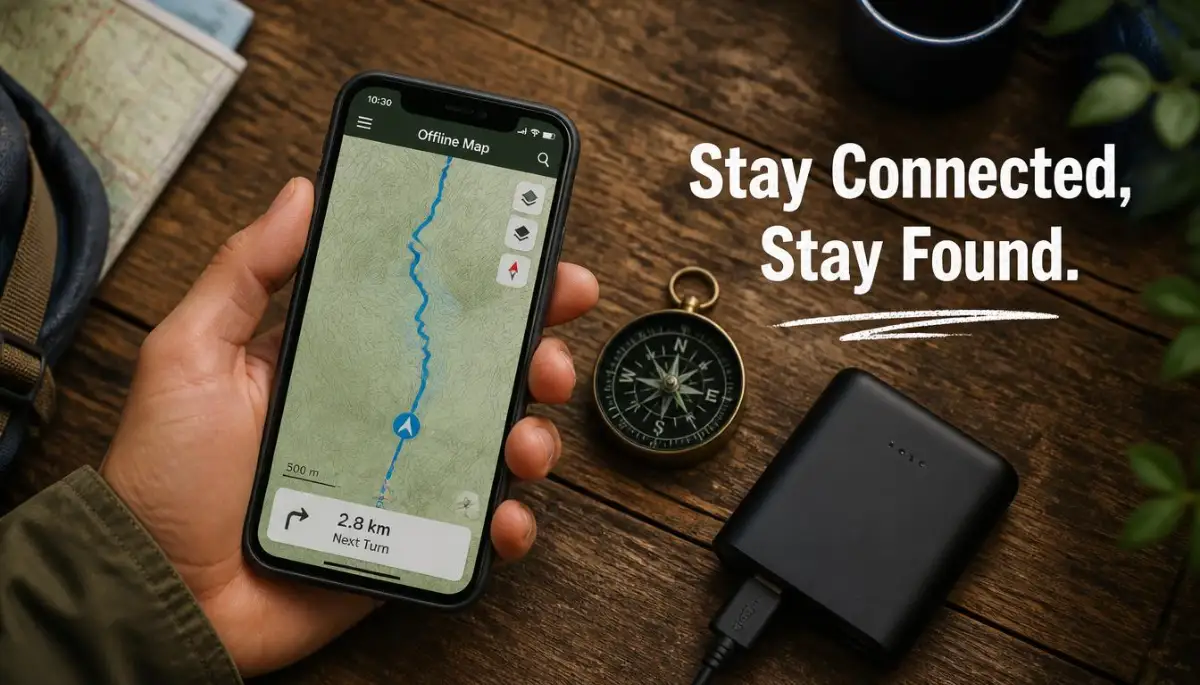
First, download offline maps. I cannot stress this enough. If you lose your data signal or your SIM card fails, you will still have a GPS-enabled map. Google Maps and Maps.me are great for this. You should also share your "Live Location" with a trusted friend or family member back home. Let them know they don't need to check it constantly, but it is there if you don't check in.
The Backup Power Strategy
Your phone dying in an unfamiliar city is a genuine emergency. Always carry a high-capacity power bank. Never let your phone drop below 30%. That last 30% is for emergencies, like calling a ride-share or finding your hotel.
Myth vs. Reality: The Truth About Solo Travel Risks
Trusting Your Gut: The Science of Intuition
We often ignore our "gut feeling" because we don't want to seem rude. If a stranger approaches you and something feels "off," it probably is. Our brains process thousands of tiny details subconsciously. If you feel a sudden urge to leave a place, leave immediately.
Do not worry about being polite. Your safety is much more important than a stranger's feelings. If someone is asking too many personal questions, like "Are you traveling alone?" or "Where is your hotel?", give them a fake answer. I often say, "I’m meeting my husband at the next corner" or "My group is waiting for me at the museum."
Expert Insight: The 'Broken Record' Technique
If someone is bothering you or trying to sell you something aggressively, use the broken record technique. Say "No, thank you" and keep walking. Do not stop. Do not explain why. Just repeat the same phrase until they move on.
Secure Your Belongings: Beyond the Money Belt
Many people think a money belt is the only way to stay safe. While they are useful, they can also be clunky. A better approach is diversification. Never keep all your cash and cards in one place.
Keep one credit card and some emergency cash in a hidden spot in your luggage back at the hotel. Keep another card and your daily cash in a secure, zippered cross-body bag. I prefer bags that sit in the front of my body. This makes it almost impossible for a pickpocket to open it without me noticing.
Smart Document Handling
Take photos of your passport, visa, and travel insurance. Upload them to a secure cloud service like Google Drive or iCloud. If your physical documents are stolen, having these digital copies will make the replacement process much faster at your embassy.
Navigating Public Transport with Confidence
Public transport is usually the best way to get around, but it can be overwhelming. Before you get on a bus or train, know exactly which stop you need.
Late Night Transit Rules
If you are traveling late at night, try to sit near the driver or in a carriage with other people. Avoid empty train cars. If the station feels deserted, it is often better to spend a little extra money on a reputable ride-share app like Uber or Bolt. These apps track your journey and give you the driver’s details, which is much safer than hailing a random taxi on the street.
The Social Balance: Meeting People Safely
Solo travel doesn't mean you have to be a hermit. Meeting locals and other travelers is part of the fun. Hostels, walking tours, and "meetup" groups are great places to find community.
However, stay in control of your social life. If you go out for a drink with new friends, watch your glass. Never leave your drink unattended. Always be the one to call your own ride home. It is easy to feel a false sense of security when you are having fun, but remember that you still don't truly know these people.
Check-in Rituals
Create a simple "Safety Check-in" ritual. Every evening when you get back to your room, send a quick text to a friend. Something like "Back at the hotel, had a great day!" is enough. It creates a record of your safety and gives your loved ones peace of mind.
Handling Emergencies: The "If-Then" Plan
Most travelers don't like to think about things going wrong. But having an "If-Then" plan reduces panic.
- If I lose my phone, then I will go to a major hotel and ask them to call a taxi.
- If I get lost, then I will find a pharmacy or a grocery store to check my map.
- If my wallet is stolen, then I have my backup card in my suitcase.
By thinking through these scenarios, you train your brain to stay calm. Panic is the enemy of safety. When you have a plan, you can act quickly and logically.
The Master’s Strategy: Going Beyond Basic Awareness
Once you have the basics of navigation and awareness down, you need to think like a pro. Staying safe in a massive, unfamiliar city isn't just about avoiding dark alleys. It is about building layers of protection around your daily routine. Think of your safety like a house. You don't just lock the front door; you also have windows, alarms, and maybe a fence.
One of the most effective tricks I use is the "Decoy Strategy." I always carry two wallets. The first one is my "dummy" wallet. It contains a few small bills of local currency and some old, expired gift cards or library cards. If I am ever confronted by a pickpocket or a street mugger, I can hand that over and walk away. My real cards and majority of my cash stay tucked away in a hidden pouch beneath my clothes.
Another secret is managing your digital breadcrumbs. We all love sharing our adventures on social media. But posting your location in real-time is a huge mistake. It tells the world exactly where you are and that you are currently away from your hotel. Wait until you have left a cafe or a landmark before you upload that photo. This keeps your physical location private while you are still out and about.
Building Physical Resilience for Better Safety
You might wonder what your physical health has to do with city safety. The truth is, a tired or sick traveler is a distracted traveler. When your body is weak, your reaction time slows down. You are less likely to notice someone following you if you are struggling with a stomach ache or a fever.
To keep your energy high, you must focus on your internal health. Staying hydrated and eating clean food is part of your safety protocol. Many travelers get sick because they don't realize why your gut bacteria holds the secret to a stronger immune system. A healthy gut means you stay alert and strong enough to handle long days of walking. If you feel physically great, you project confidence, which makes you a much harder target for criminals.
Always carry a small "safety kit" in your day bag. This should include a high-decibel personal alarm and a simple door wedge. When you get back to your hotel or Airbnb, slide that wedge under the door. It adds an extra layer of security that a simple lock cannot provide. These small, inexpensive tools can be the difference between a peaceful night and a scary situation.
Mastering the Local Language of Safety
You don't need to be fluent in a new language to stay safe. However, you should memorize a few "power words" in the local tongue. Knowing how to loudly say "Stop," "Fire," or "Police" can grab the attention of everyone nearby. In a crowded city, people might ignore a cry for "Help" because it sounds vague. But shouting "Fire" or "Police" usually makes people look up immediately.
Also, learn how to ask for directions to the nearest hospital or police station. Even if you don't understand the full answer, you can follow the hand gestures. Before leaving your hotel, ask the receptionist to write down the hotel’s address in the local script on a piece of paper. If you get completely lost or your phone dies, you can show this paper to a licensed taxi driver.
For official safety ratings and updated travel warnings, you can check resources like the U.S. Department of State Travel Advisories. They provide real-time data on which cities require extra caution. Staying informed through official channels is much better than relying on rumors from social media groups.

The Psychology of the Street: Identifying Hidden Threats
Safety isn't always about what you see; it’s about what you feel. Most city scams rely on a sense of urgency. A stranger might run up to you claiming they found a "gold ring" you dropped. Or they might try to "gift" you a friendship bracelet. These are classic distractions. While you are focused on the ring or the bracelet, an accomplice is likely reaching for your pocket.
The "Helpful Stranger" Trap
Be very careful of people who are "too helpful" without being asked. If you are struggling with a ticket machine and someone rushes over to do it for you, be on guard. They might be trying to see your PIN or distract you while they take your change. It is okay to be firm and say, "No thanks, I’ve got it." A polite but firm attitude is a great shield.
I always suggest people watch out for the "Spill Scam." Someone might accidentally spill ketchup or a drink on your jacket. They will apologize profusely and start "cleaning" it for you. This is almost always a setup to steal your wallet. If this happens, don't let them touch you. Simply walk away and clean it yourself in a safe, private restroom.
The Cost of Carelessness: Financial Pitfalls
Losing your money or identity in a foreign city is a nightmare. Beyond the immediate stress, it can lead to long-term financial damage. If a thief gets your credit card info, they can max out your limits in minutes. This kind of sudden loss can ruin your trip and your financial health for months.
Many people don't realize that a major theft can lead to a domino effect on their finances. If you find yourself in a mess, you might need to learn how to rebuild your credit score after a major financial disaster. It is much easier to prevent the theft than to fix the damage later. Use RFID-blocking sleeves for your cards to prevent "skimming" in crowded subways.
Always use ATMs that are located inside a bank branch. Avoid the "standalone" ATMs on busy street corners or inside small convenience stores. These are much easier for criminals to tamper with. A bank-based ATM usually has 24-hour surveillance and is much harder to hack with skimming devices.
Social Media and the "Solo" Identity
One of the biggest mistakes travelers make is broadcasting their solo status. When you are sitting at a bar or a park, you don't need to tell everyone you meet that you are alone. If someone asks, tell them your "friends are meeting you soon" or your "cousin lives in the next neighborhood."
This creates a "phantom group" around you. People are much less likely to target someone who has local connections or friends nearby. You can even keep two chairs at your table or order two drinks to maintain the illusion if you feel you are being watched. It might feel a bit silly, but it is a very effective way to stay off a predator’s radar.
For data on which cities are currently ranked as the safest for solo explorers, check the Safe Cities Index. This report looks at digital security, health security, and personal safety. It is a great way to choose your next destination based on actual facts rather than just pretty pictures on the internet.
Common Errors That Lead to Trouble
People often fail because they get too comfortable. After three days in a city, you might feel like you know the place. You stop checking your bag. You take a shortcut through a dark park because you are tired. Complacency is your biggest enemy. Every time you leave your hotel, you should have the same level of focus as you did on Day 1.
Another error is over-consumption. Drinking too much alcohol when you are alone in an unfamiliar city is extremely risky. It impairs your judgment and makes you a very easy target. If you want to enjoy the local nightlife, stick to one drink and stay in a well-populated area. Always know how you are getting back to your hotel before you take that first sip.
The "Cheap" Trap
Don't choose the cheapest transport or accommodation just to save a few dollars. If a hostel has terrible reviews regarding safety, believe them. If a taxi driver refuses to use the meter, get out. Sometimes, is buying a home smarter than renting the real money facts can help you understand the value of investing in your security and long-term stability. The same logic applies to travel; spending a bit more for a safer hotel is an investment in your life.
Your Roadmap to Fearless Exploration
You now have the tools to handle almost any urban situation. Solo travel isn't about being a superhero; it's about being a smart observer. You have learned how to blend in, how to use technology as a shield, and how to spot scams before they happen. These protocols are now part of your "traveler's DNA."
The most important thing you can do now is start small. If you are nervous, take a weekend trip to a nearby city before flying across the world. Practice your "Local Walk." Test your offline maps. Get used to the feeling of being your own best friend and protector.
The world is a beautiful, diverse place filled with mostly kind people. Don't let the fear of "what if" stop you from seeing it. With these safety protocols, you are no longer just a tourist. You are a prepared adventurer. You have the knowledge to stay safe and the heart to explore.
![The Secret to Affordable Airfare [Step-by-Step Flexible Date Guide]](https://topic36.com/storage/uploads/blogs/1787649304_the-secret-to-affordable-airfare-step-by-step-flexible-date-guide.webp)