The Hidden Heartbreak of the Unaware Traveler
Imagine you finally save enough money for your dream trip to a distant land. You arrive with a heart full of excitement and a camera ready for memories. But within hours, you notice something is wrong. People are giving you cold stares or whispering as you walk by.
You sat down at a local cafe and tried to be friendly, but the waiter looked offended when you handed him money. You entered a beautiful old building, only to be shouted at by a guard. Your dream vacation is turning into a stressful nightmare of confusion and guilt.
I remember a story about a traveler named Mark who visited a small village in Southeast Asia. He was so happy to see the local children that he reached out and patted a young boy on the head. In his mind, it was a kind gesture. But in that culture, the head is sacred, and touching it is a deep insult.
The mood shifted instantly. The smiles vanished. Mark felt a heavy weight in his chest, realizing he had unintentionally hurt the people he admired. This is the silent struggle many tourists face. We want to connect, but our lack of knowledge builds a wall between us and the local community.
When we ignore local customs, we don't just risk looking silly. We risk losing the chance to build real friendships. We accidentally become the "rude tourist" that people talk about. This feeling of being an outsider, or worse, an intruder, can ruin the peace of your entire journey.
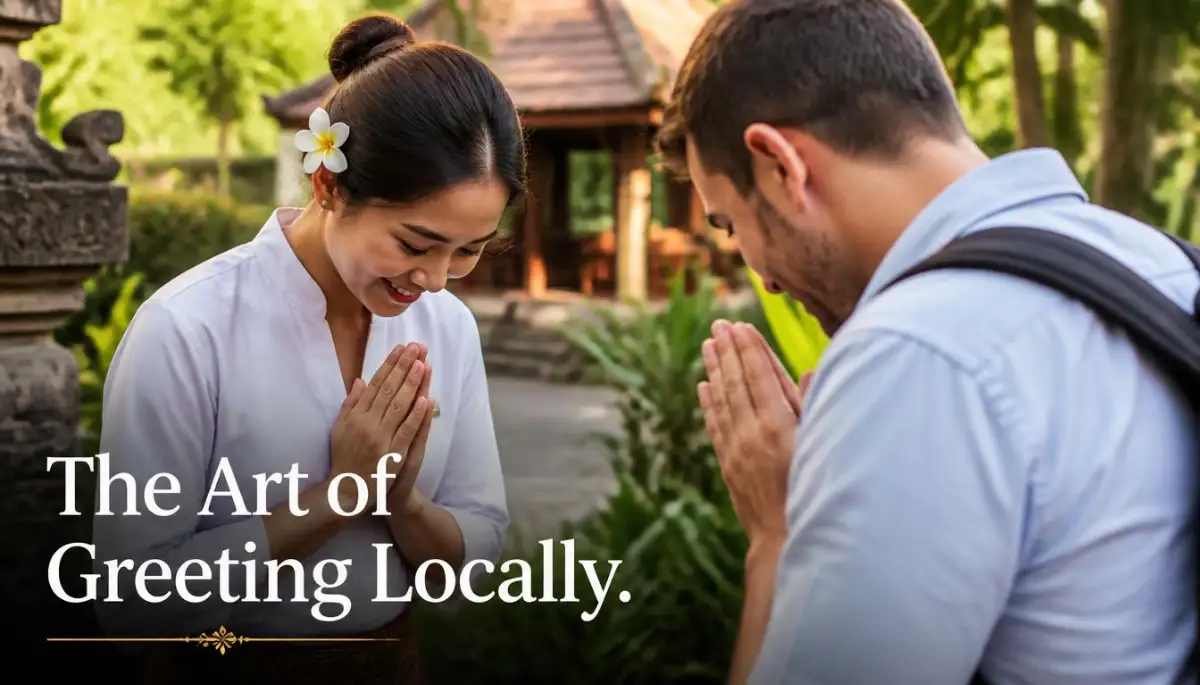
Decoding the Secret Language of Body Gestures
Most of our communication happens without speaking a single word. What feels natural to you might be scandalous or rude in another country. Understanding these small signs is the first step toward being a guest that people actually want to welcome.
The Mystery of the Handshake
In many Western countries, a firm handshake shows confidence. However, if you do this in parts of the Middle East or Asia, you might seem aggressive. In some places, a soft touch is preferred. In others, men and women do not shake hands at all. Always wait for the local person to offer their hand first to avoid awkwardness.
Eye Contact: Respect or Challenge?
You might have been told that looking someone in the eye is a sign of honesty. While that is true in the US or Europe, it can be seen as a challenge to authority in parts of Africa or Asia. In those cultures, lowering your gaze slightly is a way to show deep respect to elders or officials.
The Dangerous Pointing Finger
In many cultures, pointing with your index finger is considered very rude. It is often used only for animals or inanimate objects. If you need to show the way, try using your whole open hand or even your thumb, depending on the local habit. This small change makes you look much more thoughtful and polite.
Dining Manners: More Than Just Eating
Food is a universal language, but the way we eat it varies wildly. If you want to show you appreciate the local culture, you must learn their table manners. This shows that you value their traditions as much as their food.
The Left Hand Rule
In many parts of the world, including India and several African nations, the left hand is considered unclean. It is used for personal hygiene and is never used for eating or passing items. If you use your left hand to pick up bread or pay the bill, you might see people look away in disgust. Always use your right hand for these actions to stay respectful.
Chopstick Wisdom
If you are traveling through East Asia, how you handle your chopsticks matters a lot. Never stick them upright in a bowl of rice. This looks like an incense offering for the dead and is very unlucky. Also, avoid using them to point at people or to move dishes around the table.
The Truth About Tipping
Tipping is a confusing topic for almost every traveler. In the United States, it is expected and seen as kindness. But in Japan, tipping can be seen as an insult. It implies that the business doesn't pay its staff enough or that the service needs an extra "bribe." Always check the local rules before you leave money on the table.
Dressing for the Occasion: The Silent Sign of Respect
The way you dress tells the local community how much you value their values and religion. While you might want to stay cool in the heat, showing too much skin can close doors—literally.
Sacred Spaces and Modesty
When visiting temples, mosques, or churches, the rules are usually strict. Both men and women should keep their shoulders and knees covered. Some places might even require women to cover their hair. Carrying a light scarf in your bag is a smart way to be ready for any sudden visit to a holy site.
The "Tourist Uniform" vs. Local Styles
You don't have to wear traditional local clothes, but you should avoid anything offensive. This includes t-shirts with political slogans or images that might be misunderstood. Looking a bit more formal or neat often gets you much better service and warmer smiles from the locals.
Communication Secrets: Beyond the Dictionary
You don't need to be fluent in a language to be a respectful tourist. A little effort goes a very long way in building a bridge between cultures. It shows that you are not just there to take photos, but to learn and listen.
The Magic of Three Words
Before you go, learn how to say "Hello," "Please," and "Thank You" in the local language. Even if your pronunciation is bad, the locals will see that you are trying. This effort alone can turn a grumpy shopkeeper into a helpful friend. It breaks the ice and shows you aren't just another demanding foreigner.
Volume and Tone Control
In many cultures, speaking loudly in public is seen as a sign of poor upbringing or anger. In places like Japan or Scandinavia, trains and cafes are very quiet. If you are talking loudly on your phone or laughing boisterously, you are disturbing the peace. Try to match the volume of the people around you to blend in.
The Power of Patience
Things might move slower in other countries than they do back home. Getting angry or demanding "fast service" will only make things worse. Patience is a form of respect. If a train is late or a meal takes time, take a deep breath and enjoy the moment. Your calm energy will be appreciated by everyone around you.
Myth vs. Reality: Common Travel Misconceptions
There are many myths about how to act abroad. Let's look at a few so you don't get tricked by bad advice.
- Myth: "Everyone speaks English, so I don't need to learn anything else."
- Reality: While many people do, they appreciate it when you don't assume they do. Always ask politely, "Do you speak English?" before starting a conversation.
- Myth: "If I pay, I can act however I want."
- Reality: Money gives you access to services, but it doesn't give you the right to disrespect human dignity. A polite "customer" is always treated better than a "bossy" one.
- Myth: "Smiling is always good."
- Reality: In some cultures, like Russia, smiling at strangers can seem suspicious or insincere. It doesn't mean they are unhappy; it just means they save their smiles for friends.
Practical Tips You Can Use Today
- Observe First: When you arrive, spend ten minutes just watching how locals interact. How do they stand? How do they greet? Mimic their behavior gently.
- Ask Permission: Before taking a photo of a person or a private home, always ask. A simple nod and a smile while pointing at your camera is usually enough.
- Research the "No-Go" Zones: Every country has topics that are sensitive. Avoid talking about politics, religion, or past wars unless you know the person very well.
Being a respectful traveler is about having an open heart and a curious mind. It is about realizing that your way of doing things is just one way, not the only way. When you follow these cultural etiquette tips, you stop being a stranger and start being a guest. You will find that the world opens up to you in ways you never imagined.
Your journeys will be filled with kindness, deeper connections, and memories that are untainted by regret. So, pack your bags, but also pack your manners. The world is waiting to meet the best version of you.
Going Beyond the Basics: How to Become an Expert Global Guest
To truly master cultural etiquette, we have to look past the simple "do’s and don'ts." It is about developing a mindset that treats every new country as a classroom and its people as our teachers.
When you move from being a simple tourist to an expert guest, you start to notice things others miss. You see the subtle way a shopkeeper bows or the specific hand movements used to offer a gift.
I once met a traveler who spent months in rural Peru. He didn't just learn the language; he learned the local "rhythm." He noticed that people never rushed their goodbyes. Even a quick stop at a store involved a five-minute chat about family.
By slowing down his own pace, he was invited into homes and shared meals that no tour guide could ever book. This is the real reward of deep respect. It turns a "trip" into a life-changing experience.
The Secret Language of Gift-Giving
In many cultures, bringing a small gift is a way to say, "I value your hospitality." However, a gift that seems nice to you might have a very dark meaning elsewhere.
If you are invited to a home in China, for example, never give a clock. In their language, the word for "giving a clock" sounds like "attending a funeral." It is seen as a sign of bad luck or even a death wish.
Similarly, in parts of Europe, giving an even number of flowers is often reserved for mourning. Always go for an odd number unless it’s the number thirteen, which many still see as unlucky.
When you give a gift, the way you hand it over matters too. In Japan or Korea, you should use both hands to offer and receive items. This shows that you are giving the person your full attention and respect.
Mastering the Art of Silent Visiting
Sacred sites are the heart of many communities. Whether it is a mosque in Istanbul or a cathedral in Rome, these are not just photo spots. They are living places of worship.
One expert tip is to watch your feet. In many Buddhist cultures, pointing the soles of your feet toward a statue of Buddha or another person is a major insult. Feet are seen as the "lowest" part of the body, both physically and spiritually.
When you sit down, try to tuck your feet behind you or sit cross-legged. It feels a bit strange at first, but the locals will notice your effort. They will see that you are not just a spectator, but someone who understands their sacred space.
Also, keep your voice to a whisper even if there is no "Silence" sign. Respecting the quiet atmosphere allows others to pray in peace. This creates a bridge of silent understanding between you and the community.
Your Guide to Respectful Travel Photography
We all want to capture beautiful moments, but we must do it with a heart of kindness. Taking a photo of someone without their permission can feel like stealing their dignity.
Think of it this way: how would you feel if a stranger walked into your backyard and started taking photos of your children while you were having dinner? You would likely feel angry or scared.
The same rule applies abroad. Always make eye contact and point to your camera with a questioning look. If they say no, just smile and walk away. Sometimes, the best memories are the ones you keep in your mind instead of on your phone.
I often tell travelers that rebuilding your reputation after a mistake is much harder than just being polite from the start. Being a "paparazzi" tourist is the fastest way to lose the trust of a local village.
Navigating the World of Social Media Ethics
When we post photos of our travels, we have a responsibility to show the world as it really is. Avoid "poverty tourism," where you take photos of people in difficult situations just to get likes or comments.
Instead, focus on the beauty and strength of the people you meet. Share stories of their kindness or the history of the places you visit. This helps your friends and family see these countries with the same respect that you do.
Always check if a site allows photography at all. Some museums and temples have ancient paintings that can be damaged by a camera flash. Following these rules shows that you care about preserving history for the next generation.
For more tips on how to handle precious assets, you might find the logic behind how to protect your digital assets interesting. It’s all about being careful and thinking long-term.

The Dark Side of Bargaining: When Fun Becomes Harmful
Many travelers think that "haggling" or bargaining for a lower price is a fun game in every market. While it is expected in many places like Morocco or Thailand, there is a fine line between a fair deal and bullying.
I have seen tourists fight over a few cents with a street vendor who had been standing in the sun for ten hours. To the tourist, it’s a game. To the vendor, that small amount of money might be the difference between a good dinner for their family or going hungry.
Ask yourself: Is this discount worth more to me than it is to them? If you find a price that is fair, pay it with a smile. If you must bargain, do it with humor and kindness.
Never get angry or walk away in a huff. If you can’t agree on a price, say "No, thank you" politely and move on. Treating a seller like a human being rather than a machine will always leave a better impression of your home country.
The Danger of Ignoring Local Laws and Taboos
Some mistakes are just embarrassing, but others can lead to serious legal trouble. Every country has its own set of "hidden" laws that might surprise you.
In Singapore, for instance, something as simple as chewing gum or littering can lead to a very heavy fine. In some Middle Eastern countries, showing public affection like kissing or hugging can even result in an arrest.
It is also important to be careful with national symbols. In Thailand, the King is deeply loved. If you drop a coin or a banknote (which has his face on it) and step on it to stop it from rolling away, you have committed a crime.
Always take twenty minutes to research the basic legal taboos of your destination. It is a small investment of time that can save you from a massive disaster during your holiday.
Why "Acting Like a Local" Can Sometimes Backfire
You might think that trying to look and act exactly like a local is the best way to show respect. However, sometimes this can feel like cultural appropriation or mockery to the people living there.
If you wear traditional religious clothing without understanding the meaning behind it, you might accidentally offend the very people you want to impress. It is usually better to stay as a respectful observer than to pretend you are someone you are not.
Wear modest, clean clothes that fit the local environment, but keep your own identity. People appreciate honesty and authenticity more than someone who is trying too hard to blend in.
Think about it like choosing between buying a home and renting. You have to decide what fits your long-term goals and what makes you feel most comfortable in your own skin.
Your Roadmap to a Lifetime of Respectful Travel
The journey of a respectful tourist never truly ends. Every time you step off a plane, you are starting a new chapter in your education. The goal isn't to be perfect, but to be better than you were yesterday.
Start your next trip with a "Discovery List." Write down three things you want to learn about the local culture before you even arrive. This keeps your mind focused on the people and their traditions.
When you get home, don't just talk about the food or the beaches. Talk about the lessons in kindness you learned from the people you met. Share the stories of the strangers who helped you when you were lost.
This is how we change the world, one trip at a time. We break down the walls of fear and build bridges of human connection. By being a respectful traveler, you are an ambassador for peace.
A Final Word of Encouragement
You have the power to make a positive impact on every person you meet during your travels. A simple smile, a polite bow, or a quiet voice can say more than a thousand words.
Don't be afraid of making a mistake. As long as your intentions are good, most people will see that you are trying. They will appreciate your effort and often help you learn the right way to do things.
The world is a beautiful, diverse, and wonderful place. It is a gift that we get to see it and experience different ways of living. Let’s treat that gift with the honor it deserves.
Go out there with an open heart. Be curious, be humble, and most importantly, be kind. Your future self will thank you for the incredible, respectful memories you are about to create.
Disclaimer: The information provided in this guide is for educational purposes only. Cultural norms and local laws can change frequently. Always check the official travel advisories from your government and respect the local authorities of the country you are visiting. The author and the website are not responsible for any legal or social issues that may arise during your travels.
![The Secret to Affordable Airfare [Step-by-Step Flexible Date Guide]](https://topic36.com/storage/uploads/blogs/1787649304_the-secret-to-affordable-airfare-step-by-step-flexible-date-guide.webp)