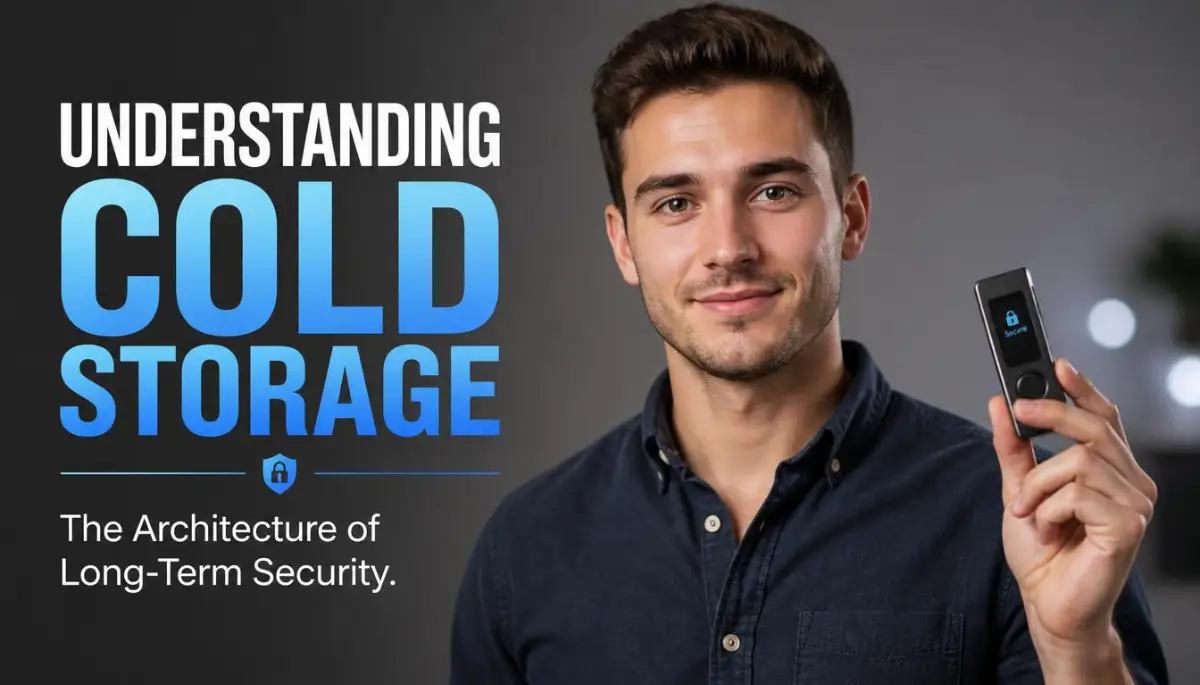
The Sleepless Nights of a Digital Investor
Imagine waking up at 3 AM. You reach for your phone to check your portfolio. Instead of the usual numbers, you see a zero balance. Your heart drops. You check the transaction history. All your hard-earned assets were moved to an unknown address ten minutes ago. This is not a horror movie. It is the daily reality for thousands of people who trust the wrong storage systems.
Most of us start our journey on big exchanges. They are easy to use. They look professional. But there is a hidden truth. If you do not hold your keys, you do not own your money. When you leave your assets online, you are essentially leaving your front door wide open in a neighborhood full of invisible thieves.
I have talked to many investors who lost everything. The mental pain is heavy. They feel foolish, angry, and helpless. They spent months or years saving, only to lose it in a second because of a simple link or a server hack. This constant fear of "what if" ruins the joy of investing. You should be able to sleep soundly knowing your future is safe. But without the right architecture, that peace of mind is impossible to find.
We need to stop treating digital wealth like a social media account. It is not just data. It is your life’s work. The struggle to keep it safe is real, but the solution exists. It starts with moving away from the internet-connected "hot" world and into the silent, impenetrable "cold" world.
The Core Logic of Cold Storage Security
To understand how to keep your money safe, we must look at the skeleton of the system. Cold storage is not just a device. It is a security philosophy. The main goal is to keep your private keys away from any internet connection.
Think of your private key as a physical key to a giant bank vault. If that key is digital and stays on your computer, a hacker can copy it. If that key stays on a piece of hardware that never touches the web, the hacker is stuck. They cannot reach through the screen and grab a physical object.
The Power of the Air-Gap
The most important part of this architecture is the Air-Gap. This sounds fancy, but it is simple. It means there is a physical gap of air between your keys and the internet.
When you want to send money, the cold storage device signs the transaction internally. It then passes only the "signed" message to the internet-connected device. Your actual private key never leaves the secure hardware.
Pro Tip: If a wallet asks you to type your 24-word seed phrase into a computer or phone, it is no longer cold storage. Never let your seed phrase touch a keyboard.
Secure Elements: The Heart of the Device
Many high-end cold storage devices use a Secure Element (SE) chip. This is the same type of technology used in credit cards and passports.
Unlike a standard computer chip, an SE chip is designed to resist physical tampering. If a thief steals your hardware wallet and tries to break it open to read the data, the chip is built to protect itself. It makes it nearly impossible to "extract" the keys.
Understanding the BIP-39 Architecture
How does a small plastic device remember all your different coins? It uses an architecture called BIP-39. This system turns your complex private key into 12 or 24 simple English words.
These words are the most important part of your security. If you lose your hardware device, you can buy a new one and enter these words. Like magic, your assets appear. This means your money is not actually "inside" the device. It is on the blockchain. The device just holds the "permission" to move it.
Why Software Alone is Never Enough
You might think, "I have a strong password and 2FA on my exchange." That is a good start, but it is not enough. Software has bugs. Humans make mistakes.
Exchange accounts are "custodial." This means the company holds the keys for you. If the company goes bankrupt or gets hacked, you are just a name on a list. Cold storage architecture makes you the sole owner. You are the bank. You have the final say.
Setting Up a Solid Foundation
When you move to cold storage, you must follow a strict process. This ensures the architecture is not compromised from day one.
- Generate Keys Offline: Your device should create your seed phrase without being plugged into a computer.
- Verify the Source: Only use devices directly from the manufacturer. Never buy a "used" hardware wallet.
- Physical Backups: Your 24 words should be written on paper or etched into metal. Keep them in a fireproof safe.
The Role of Entropy in Security
In the world of security, entropy means randomness. A good cold storage architecture uses a high level of entropy to create your keys.
If a computer creates a key, it might have a pattern. A hacker with a powerful machine might guess that pattern. High-quality cold storage uses specialized hardware to ensure the key is truly random. It is so random that all the computers on Earth could not guess it in a billion years. This is the math that keeps your wealth safe.
Avoiding the "Digital Paper Trail"
One big mistake people make is taking a photo of their recovery words. As soon as you do that, your cold storage becomes "hot."
The image goes to the cloud. Google or Apple now has a copy. If your cloud account is hacked, your cold storage is drained. The architecture of safety requires a total break from the digital world. Keep your backups physical and keep them hidden.
Multi-Signature: The Next Level of Architecture
For those with a lot of assets, a single cold storage device might not feel like enough. This is where Multi-Sig (Multi-Signature) comes in.
Imagine a treasure chest that needs three different keys to open. You could keep one key at home, one in a bank vault, and one with a trusted lawyer. A thief would need to steal all three to get your money. This is the ultimate architecture for long-term security. It removes the "single point of failure."
Myth: "If the Wallet Company Disappears, My Money is Gone"
This is a common fear. People think they are tied to a specific brand. This is false. Because cold storage follows standard blockchain architecture (like BIP-39), your words will work on almost any other reputable wallet.
Your security is independent of any company. You are using universal math. As long as you have your 24 words, you can recover your assets anywhere in the world.
Maintaining Your Security Over Time
The architecture of security is not "set it and forget it." You should check your physical backups once or twice a year. Make sure the ink isn't fading or the metal isn't rusting.
Also, keep your device's "firmware" updated. Manufacturers release updates to fix new types of threats. Always do these updates through the official app to ensure the bridge between your device and the internet remains secure.
The Psychological Benefit of Offline Storage
Beyond the tech, there is a huge mental benefit. When your assets are on an exchange, you are tempted to trade constantly. You see the price flicker and you panic.
When your assets are in cold storage, there is a barrier. You have to go get the device, plug it in, and sign the transaction. This "friction" helps you stay focused on the long term. It turns you from a panicked gambler into a disciplined investor.
The Relationship Between Public and Private Keys
To understand the architecture, think of a mailbox. Anyone can see the mailbox and drop a letter inside. This is your Public Key (your address).
But only you have the key to open the back of the mailbox and take the letters out. This is your Private Key. Cold storage ensures that the "key to the back of the mailbox" never leaves your hand. Even if the whole world knows your address, they cannot touch what is inside.
Final Thoughts on Part 1
Building a secure future requires more than just picking the right coins. It requires building a fortress around those coins. By understanding the architecture of cold storage—from air-gaping to secure elements—you take control of your financial destiny.
In the next part, we will explore advanced setup techniques and how to handle your recovery process like a professional. For now, remember: Safety is not an accident; it is a choice.
Strengthening the Vault: Advanced Tactics for Maximum Privacy
Now that you know the basics of how cold storage works, it is time to move into expert-level security. Simply owning a hardware device is the first step, but how you use it determines your actual safety.
One of the most powerful tools in cold storage architecture is the Passphrase, often called the "25th word." Standard setups give you 24 words. A passphrase is an extra word or string of characters that you create yourself.
Think of your 24 words as a master key to a hotel. The passphrase is the code to the private safe inside one specific room. Even if a thief steals your 24-word recovery sheet, they cannot access your funds without that secret passphrase.
This creates a "hidden wallet" feature. You can have one wallet with a small amount of money using just the 24 words. Then, you have your real fortune hidden behind the passphrase. If someone ever forces you to open your wallet, you show them the "decoy" account. This protects your life savings from physical threats.
Beyond Paper: The Case for Steel Backups
Most people write their recovery seeds on the cardboard piece that comes in the box. This is a huge mistake for long-term security. Paper burns. Paper rots. Paper gets eaten by silverfish or destroyed by a leaking pipe.
If you are serious about holding assets for ten years or more, you need a metal backup. These are stainless steel or titanium plates where you etch or stamp your words.
Imagine a house fire. Your hardware device might melt, but a steel plate will survive. You can find these assets at various specialized shops, and they are worth every penny. Your future self will thank you when your backup is still readable after a decade in storage.
Security is often about preparing for the worst-case scenario. Much like how to rebuild your credit score after a major financial disaster, having a recovery plan for your digital wealth is about resilience. You want to make sure that no matter what happens to your physical home, your digital keys remain intact.
The Importance of Verification Ceremonies
When you set up your wallet, do not just trust the screen. You should perform a recovery check before you send any large amounts of money.
Wipe the device and try to restore it using your written words. If the wallet comes back to life with the same addresses, you know your backup is perfect. This small step prevents the nightmare of realizing you wrote down the 14th word incorrectly when it is already too late.
Also, consider using a dedicated "clean" computer for your transactions. Even though the device is offline, the app on your computer could be faked by malware. Always check the address on the device screen, not just your monitor. Hackers can change the address you see on your computer screen to their own. Your hardware device screen is the only truth.
The way we build these secure systems is evolving. Experts are constantly looking for better ways to protect data, similar to how generative AI is changing the way developers write code. Staying updated on the latest firmware is part of this ongoing defense.

Deadly Mistakes That Could Empty Your Wallet
The biggest threat to your cold storage is not a genius hacker in a dark room. It is usually a simple mistake made during a moment of panic or laziness.
The "Cloud Shortcut" Trap
I have seen many people take a photo of their 24 words "just for a second." They plan to delete it later. But within seconds, that photo is uploaded to Google Photos or i Cloud.
If your email is hacked, your money is gone. There is no "undo" button on the blockchain. Once a digital copy of your seed exists anywhere, your wallet is no longer cold. It is lukewarm and very dangerous.
Buying from the Wrong Places
Never buy a hardware wallet from eBay or an unknown seller on Amazon. Scammers buy these devices, set them up with their own keys, and repackage them.
When you buy it, you think you are setting up a new wallet. In reality, the scammer already has the keys. They wait until you deposit a large amount and then sweep the wallet clean. Always buy directly from the official manufacturer's website.
The Social Engineering Lure
You might get an email saying your wallet has been compromised. It looks official. It tells you to "enter your seed phrase to verify your account."
No legitimate company will ever ask for your 24 words. Not Ledger, not Trezor, not anyone. If you type those words into a website, you are handing over the keys to your vault. Your physical health and your financial health are closely linked. The stress of losing everything can be physically damaging. Just as why your gut bacteria holds the secret to a stronger immune system, your financial "internal system" needs the right balance and protection to stay healthy.
Avoiding Complexity Overload
Another mistake is making your security so complex that you lose access yourself. If you have a passphrase, a PIN, and a hidden steel plate, but you forget where you put them, you are locked out.
Some people try to be "too smart" by splitting their seed phrase into three parts. If you lose one part, can you still recover it? If not, you have created a single point of failure. Keep your setup simple enough that you can explain it to a trusted family member in case of an emergency.
Practical Steps for Long-Term Peace of Mind
You do not need to be a tech wizard to stay safe. You just need a routine. Set a reminder to check your backup location once or twice a year. Make sure the device still turns on.
Think about your digital assets the same way you think about physical property. You wouldn't leave your house unlocked, so don't leave your private keys vulnerable. For many, is buying a home smarter than renting the real money facts helps them decide where to put their wealth. Once you have that wealth, protecting it becomes the most important job you have.
The Power of Being Your Own Bank
The beauty of cold storage architecture is the freedom it gives you. You are no longer at the mercy of a bank or a centralized exchange. You have moved from a system of "permission" to a system of "ownership."
When you hold your own keys, you are part of a global movement toward financial sovereignty. It feels good to know that your assets are sitting in a silent, offline vault. No matter what happens to the stock market or the local economy, your digital gold is safe under your control.
This is a journey, not a destination. As you grow your portfolio, you can look into more advanced setups like multi-signature wallets or air-gaped computers. But for most people, a simple hardware wallet used correctly is more than enough.
Your Roadmap to Financial Sovereignty
You have taken the time to learn the deep mechanics of asset security. That already puts you ahead of 90% of other investors. Most people are moving too fast and taking too many risks. By slowing down and building a solid architecture, you are ensuring that your wealth lasts for generations.
Don't wait for a "scare" to take action. The best time to secure your assets was yesterday. The second best time is right now. Buy a reputable hardware wallet, set it up without any internet connection, and move your long-term holdings off the exchanges.
You deserve the sleep that comes with knowing you are protected. You have worked hard for your money; now let the architecture of cold storage work hard to keep it. This is your foundation. Build it strong, build it once, and enjoy the freedom that comes with true ownership.
The path to long-term wealth is paved with good habits and strong security. Start your journey today and never look back. Your digital future is in your hands, literally.

![7 Hidden Traps in Decentralized Finance You Must Know [Step-by-Step Defense]](https://topic36.com/storage/uploads/blogs/1788868861_7-hidden-traps-in-decentralized-finance-you-must-know-step-by-step-defense.webp)