When Your Dream Website Becomes a Technical Nightmare
Imagine spending weeks building your online home. You have the perfect design and great content. Then, the big day arrives, and you share your link with the world.
Suddenly, the screen goes white. Your site is slow, or worse, it crashes completely. You feel a sinking feeling in your stomach. All that hard work feels like it is slipping away because of a "Server Error."
This is the reality for many beginners who pick the wrong hosting. It is not just a technical choice; it is the foundation of your digital peace of mind. When your site is slow, you lose visitors, you lose trust, and you lose sleep.
You might feel overwhelmed by terms like RAM, CPU, and Bandwidth. It feels like everyone is speaking a different language. You just want a site that works, but the technical wall feels too high to climb.
I have talked to many people who felt stuck. They bought the cheapest plan and regretted it when their business started to grow. They felt trapped in a system that could not handle their success.
You deserve to know the truth about how these servers work. Understanding the difference between Shared, VPS, and Dedicated hosting is your way out of the confusion. Let’s break down these barriers and find the right home for your website.

The Shared Hosting Model: Like Living in a Busy Apartment
Think of shared hosting as renting a small room in a massive apartment building. You have your own space, but you share the hallway, the elevator, and the water system with hundreds of other people.
This is the most common way people start online. It is affordable and very easy to set up. You do not need to be a tech genius to get started.
However, there is a catch. If your neighbor in the apartment leaves the water running, your water pressure might drop. In hosting terms, if another website on your server gets too much traffic, your site might slow down.
Why People Choose Shared Hosting
Most new bloggers go this route because it fits a tight budget. You get a control panel that makes it easy to install apps with one click. It is a "set it and forget it" kind of environment.
Maintenance is handled for you by the hosting company. You do not have to worry about updating the server software or fixing hardware issues. This saves you a lot of time and mental energy.
The Real Limits You Should Know
The main issue is the lack of control. You cannot change deep server settings because those changes would affect everyone else. You are also at a higher risk if a neighbor’s site gets a security threat.
If your site starts getting more than a few hundred visitors a day, you might feel the walls closing in. The server might struggle to keep up. This is usually the sign that you need to move to a bigger "home."
Stepping Up to VPS Hosting: Your Own Private Condo
VPS stands for Virtual Private Server. If shared hosting is an apartment, a VPS is like owning a condo. You still share the main building, but you have your own dedicated plumbing and walls.
On a VPS, the physical server is divided into several "virtual" boxes. Each box acts like its own private server. You have your own set of resources that no one else can touch.
This means if another site on the same server gets a million hits, your site stays fast. You have a guaranteed slice of the RAM and CPU power. This provides a much more stable experience for your visitors.
The Power of Customization
One of the best things about a VPS is the freedom. You often get "root access," which means you can install any software you want. You can tweak the server to make your specific website run at top speed.
Security is also much tighter here. Since your environment is isolated, problems on other accounts won't easily spread to yours. It is a much safer middle ground for growing businesses.
Is It Hard to Manage?
A VPS can be more complex. Some plans are "unmanaged," meaning you have to do everything yourself. If you are not tech-savvy, you should look for "managed VPS" plans where the experts help you out.
It costs more than shared hosting, but the performance boost is usually worth every penny. It gives you the professional edge that serious websites need to rank well on search engines.
Dedicated Hosting: The Private Mansion Experience
Now, imagine owning the entire building and the land it sits on. That is dedicated hosting. You are the only person using that physical server.
Every bit of power, every megabyte of RAM, and the entire hard drive belongs to you. There are no neighbors to worry about. You have total control and maximum power.
This is the choice for giant websites, large online stores, or sites with massive amounts of data. It is the ultimate level of web hosting luxury and performance.
Unmatched Performance and Speed
Since you don't share resources, your site can handle thousands of visitors at the same time. The page loading speeds are usually the fastest possible. This is great for SEO because Google loves fast websites.
You can choose the exact hardware you want. Need more memory? You can add it. Need a specific type of hard drive? It is your call.
High Cost and Responsibility
This is the most expensive option. You are paying for the entire machine and the power it uses. It also requires a lot of technical knowledge to manage properly.
Most people don't start with a dedicated server. It is a goal to reach as your platform grows. It represents a high level of success and stability in the digital world.
A Quick Comparison to Help You Decide
Sometimes seeing the facts side-by-side makes everything clearer. Here is a simple breakdown of how these three options compare in daily use.
Why Your Choice Matters for Google Search
Google cares about how fast your site loads. If you pick a slow shared host, your "Core Web Vitals" might look bad. This can keep you from reaching the first page of search results.
User experience is a ranking factor. If a user clicks your link and it takes 10 seconds to load, they will leave. This tells Google that your site is not helpful, even if your content is amazing.
By choosing a VPS or a Dedicated server when your traffic grows, you are telling Google that you are a serious player. You are providing a smooth and fast experience for every visitor.
Common Myths About Web Hosting
Many people think that "Unlimited Hosting" in shared plans really means unlimited. This is a myth. There is always a limit to what a shared server can do. If you use too much, they will ask you to upgrade or suspend your account.
Another myth is that VPS hosting is only for geniuses. With "Managed VPS" options, it is almost as easy to use as shared hosting. You get the power without the headache of coding.
Lastly, some think dedicated hosting is always better. While it is the most powerful, it might be overkill for a small blog. Don't pay for power you don't use yet. Start where you are and grow naturally.
How to Know When to Move Up
Are you wondering if it is time to leave your shared host? Look for these signs:
- Your site feels sluggish during the day.
- You see "Internal Server Error" messages often.
- Your traffic is consistently growing every month.
- You want to install a specific plugin that your current host won't allow.
If you see these signs, it is time to move. Moving to a VPS can feel like giving your website a new pair of lungs. It can breathe better, run faster, and handle more weight.
Final Thoughts for This Stage
Choosing hosting is about finding the right balance between your budget and your goals. You don't need a mansion if you are just starting your journey. But you also shouldn't stay in a crowded apartment if your family is growing.
Focus on stability first. A site that is always online and loads in a few seconds will always beat a site that is fancy but slow. Take your time to look at your current traffic and your plans for the next few months.
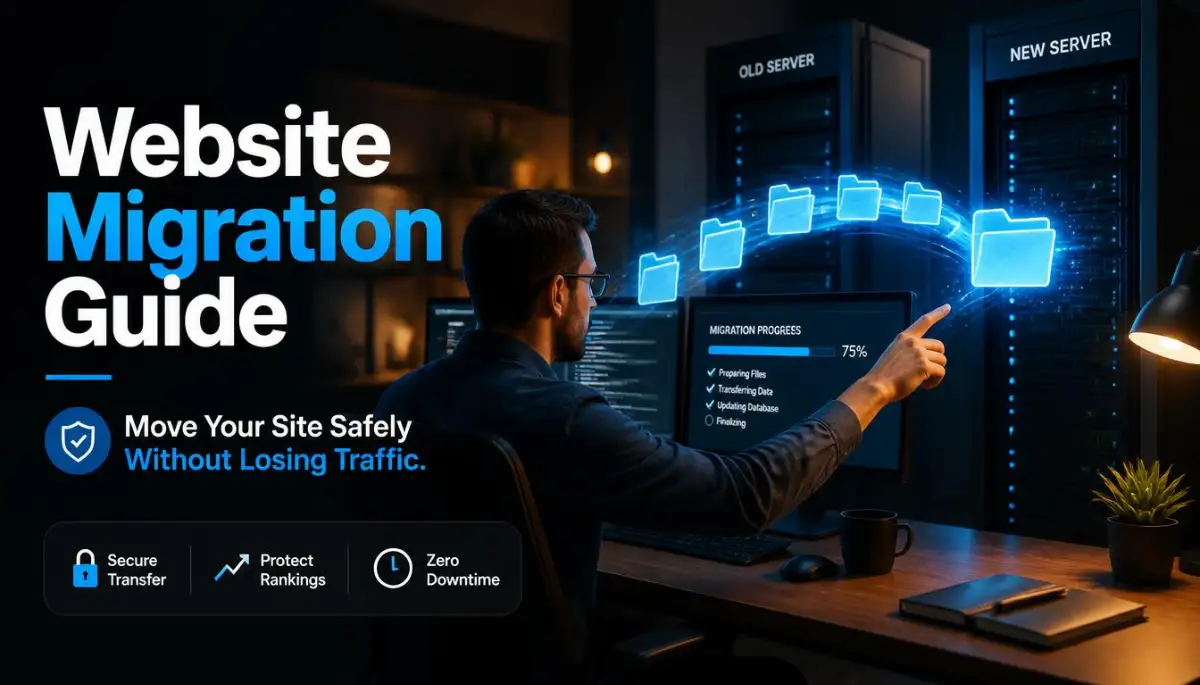
In the next part of this guide, we will look at the technical setup and how to migrate between these different types of hosting without losing your data. Your journey to a faster, better website is just beginning.
Mastering Your Server Environment for Peak Performance
Choosing the right hosting is just the first step on your digital journey. To truly succeed, you need to understand how to manage that space effectively. Think of your server as the engine of a car; even a powerful engine needs the right fuel and regular tuning to run smoothly.
Many website owners make the mistake of setting up their site and then walking away. They forget that as the internet changes, their server needs might change too. I have seen many great projects fail simply because they didn't keep an eye on their "engine."
To keep your site fast and safe, you should focus on a few expert strategies. These steps will help you get the most out of your Shared, VPS, or Dedicated setup. They are designed to make your life easier and your website much more reliable.
The Secret of Server Proximity
Have you ever wondered why a website feels faster when you are in the same country as the server? This is called latency. It is the time it takes for data to travel from the server to your visitor’s computer.
If your target audience is in London, but your server is in New York, your site will feel slow to them. I always suggest picking a server location that is as close to your main audience as possible. This simple move can improve your loading speed by a large margin without costing an extra penny.
Most top-tier hosting companies allow you to choose your data center location during signup. Don't just click "Next" quickly. Take a moment to think about where your readers live and pick the closest option.
Managed vs. Unmanaged: Which Saves More Money?
When you move to a VPS or Dedicated server, you will face a big choice: Managed or Unmanaged. An unmanaged server is cheaper because you do everything yourself. You install the software, you fix the bugs, and you handle the security.
For many, this sounds like a way to save money. However, time is also money. If you spend five hours fixing a server error, that is five hours you didn't spend writing content or growing your business. Just like how generative AI is changing the way developers write code, using managed services is a way to work smarter, not harder.
Managed hosting means the experts handle the technical side for you. They keep the server updated and safe. If something goes wrong at 3:00 AM, they are the ones who wake up to fix it, not you. This peace of mind is often worth the extra cost for any serious professional.
Building a Strong Digital Immune System
Security is not something you can ignore until a problem happens. Your server is constantly being scanned by bots looking for a way in. Think of your server security like your own health.
Just as why your gut bacteria holds the secret to a stronger immune system, your server needs a healthy internal environment to stay strong against outside threats. On a Shared host, you rely on the provider. On a VPS or Dedicated server, you have more power to protect yourself.
I recommend using a Web Application Firewall (WAF). This acts as a shield that stops bad traffic before it even reaches your site. It is one of the best ways to prevent your server from getting overwhelmed by fake visitors or hackers.
The Magic of Server-Level Caching
If your site has to build every page from scratch every time someone visits, it will be slow. Caching solves this by saving a "copy" of your page. The next visitor gets the copy instantly instead of waiting for the server to work.
Shared hosting usually has basic caching. But with a VPS or Dedicated server, you can use advanced tools like Redis or Memcached. These tools store data in the server's RAM, which is much faster than a hard drive.
When you set this up correctly, your site can feel like it is flying. Visitors love fast sites, and they are more likely to stay and read your work. This is the kind of technical edge that separates professional sites from hobby blogs.
Why You Need a Staging Area
Never make big changes directly on your live website. If you install a new plugin or change your theme, something might break. On a professional server setup, you should always have a "Staging Area."
A staging area is a private copy of your website that only you can see. You test everything there first. If the site crashes, nobody knows but you. Once you are sure the change is safe, you "push" it to the live site.
Most VPS and Dedicated plans make it easy to create these copies. It takes a few extra minutes, but it prevents the heart-stopping moment of seeing your website break in front of your visitors.

Traps That Can Hurt Your Online Growth
It is easy to get excited and make quick decisions when setting up a website. But some of these choices can lead to big headaches later. I want to share some common pitfalls that I have seen many people fall into.
One of the biggest mistakes is staying on shared hosting for too long. People often do this to save a few dollars a month. They don't realize that the slow speed is actually costing them more in lost visitors and bad search rankings.
It is like trying to run a big store out of a tiny closet. Eventually, people will stop coming because there is no room to move. You need to be brave enough to upgrade when your data shows that you are outgrowing your current space.
Ignoring the Fine Print of "Unlimited"
We all love the word "unlimited." Many shared hosting companies use this word to get your attention. They promise unlimited space and unlimited bandwidth.
However, in the real world, nothing is truly unlimited. If you look at the terms of service, you will find rules about "Inode limits" or "CPU usage." If your site gets popular, the host might suddenly shut you down for using too many resources.
This can be a huge shock. Imagine your site goes viral on social media, and just when you should be getting the most traffic, your host turns your site off. This is why a VPS is often a safer choice for anyone who plans to grow.
The Danger of Choosing Based Only on Price
Picking the cheapest hosting is often a trap. Usually, the lowest price means the server is crowded with too many websites. It might also mean that the customer support is slow or unhelpful.
Think of it like the choice between is buying a home smarter than renting the real money facts. Buying quality hosting is an investment in your future, not just a monthly bill. You are paying for the stability of your business.
If your site goes down and you have to wait three days for a support reply, you will realize that the $5 you saved was not worth it. Look for a host that has a reputation for great support and high "uptime."
Forgetting About Regular Backups
I cannot count how many times I have seen people lose months of work because they didn't have a backup. They assumed the hosting company was doing it for them. Sometimes the host does, but sometimes those backups are old or broken.
You must take control of your own backups. Even if you have the most expensive Dedicated server, hardware can fail. A simple software update can also go wrong and delete your files.
Always have a system that saves your site to a different location, like Google Drive or Dropbox. Do this every day or every week. It is the ultimate safety net for your digital life.
Local vs. Global: The Speed Gap
Some people pick a host because it is a famous brand, even if that brand is on the other side of the world. As we talked about with server location, this can hurt you.
According to web performance standards from the World Wide Web Consortium (W3C), even a few milliseconds of delay can change how users feel about a site. If you ignore this, you are making it harder for your site to succeed. Don't follow the crowd; pick a server that fits your specific audience's location.
Your Path to a Faster and Better Website
We have covered a lot of ground today. From the basic differences of server types to the advanced ways you can keep your site running at top speed. It might feel like a lot, but you don't have to do it all at once.
The most important thing is to be aware of your needs. If you are just starting, a good shared host is a fine place to begin. But keep an eye on your performance. Be ready to move to a VPS when you see your traffic growing.
Hosting is the foundation of everything you do online. When your foundation is strong, you can build as high as you want. You won't have to worry about your "digital house" falling down when things get busy.
A Simple Action Plan for Today
If you are feeling overwhelmed, here is a small checklist you can follow right now:
- Check your site speed: Use a free tool to see how long your site takes to load.
- Review your traffic: Are you getting more visitors than last month? If yes, look at VPS options.
- Check your backups: Make sure you have a fresh copy of your site saved somewhere safe.
- Talk to support: Ask your current host what your resource limits are. Knowing the truth will help you plan.
You have the power to create an amazing experience for your visitors. Don't let technical confusion stop you. Start with what you have, stay curious, and always look for ways to improve your site's home.
The digital world is waiting for your content. By picking the right hosting and managing it well, you are giving your ideas the best chance to shine. You are not just building a website; you are building a legacy.
Take that first step today. Whether it is optimizing your current site or moving to a more powerful server, your future self will thank you for the effort. Happy hosting!