The Silent Frustration of the "Perfect" Driver
You follow every rule on the road. You never speed, you always use your blinker, and you haven't had a ticket in ten years.
Yet, every time your insurance renewal notice hits your inbox, the price seems to stay the same or even go up. It feels like a punch in the gut.
Why are you paying so much when you are doing everything right? It feels like you are being punished for the mistakes of others.
I talk to people every day who feel this exact same way. They feel stuck in a system that doesn't seem to care about their hard work.
They wonder if insurance companies even look at their clean records. It creates a lot of stress and a feeling of being cheated.
We all want to feel that our good choices lead to good rewards. When it comes to car insurance, that connection often feels broken.
You might feel like just another number in a giant computer. But there is a reason for these numbers, even if they don't make sense at first glance.
Understanding the "why" behind your bill can help you take back control. It can turn that frustration into a plan of action.
Let's look at what is really happening behind the scenes of your insurance policy.
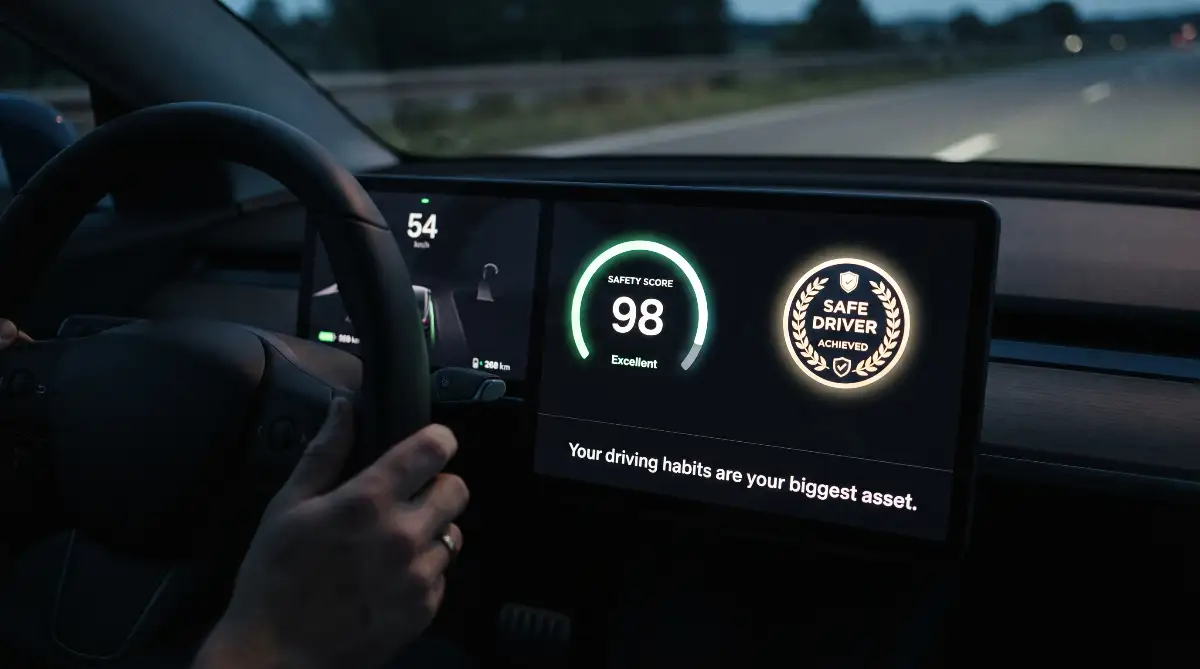
The Hidden Math Behind Your Clean Record
Most people think a clean driving record is the only thing that matters. While it is very important, it is only one piece of a much larger puzzle.
Insurance companies use complex math to decide how much you should pay. They look at thousands of data points to predict the future.
Even if you have never crashed, you might still be seen as a "risk" based on other factors. This is where most safe drivers get confused.
Your Zip Code Might Be Costing You
Where you park your car at night is a huge factor. You might be the safest driver in the world, but if you live in a high-crime area, your rates will reflect that.
Insurers look at the number of thefts and accidents in your specific neighborhood. If your neighbors are prone to filing claims, you might pay more too.
This isn't about your driving; it’s about the environment around your car. Vandalism, weather patterns, and even local traffic density play a role.
If your city has frequent hail storms or floods, everyone’s premium goes up. It is a shared risk pool, which can feel very unfair to an individual.
The Secret Power of Your Credit Score
Many people are shocked to learn that their financial habits affect their car insurance. In most places, insurance companies look at your credit-based insurance score.
Studies have shown a link between how people manage money and how they drive. Statistical data suggests that people with higher credit scores tend to file fewer claims.
If your credit score took a hit recently, your insurance premium might stay high. This happens even if your driving remains perfect.
It is a factor that happens off the road but impacts your wallet every month. Keeping a healthy credit score is a hidden way to keep insurance low.
Why Your Car’s "Brain" Matters
The type of car you drive is a massive part of the calculation. A safe driver in a high-performance sports car still pays a lot.
This is because some cars are more expensive to repair than others. Modern cars have sensors in the bumpers and mirrors that cost thousands to fix.
Even a small "fender bender" can be a major claim for the insurance company. They also look at the safety ratings of your specific model.
If your car is known for protecting passengers well, you might get a break. However, if your car is a popular target for thieves, your rate will climb.
Pro Tip: Before you buy your next vehicle, call your agent for a quick quote. You might be surprised at how much the car model changes the price.
The Digital Eye: Telematics and Real-Time Data
We are moving away from "average" math and toward "individual" math. This is happening through a technology called telematics.
You might know this as a small plug-in device or a mobile app from your insurer. It tracks how you drive in real-time.
Moving Beyond General Assumptions
In the past, insurers guessed how you drove based on your age and gender. Now, they can actually see how hard you brake or how fast you turn.
For a safe driver, this is usually a great thing. It allows you to prove that you deserve a lower rate.
If the data shows you stay off the road late at night, you look like a lower risk. Night driving is statistically more dangerous due to fatigue and poor lighting.
The "Hard Braking" Trap
One thing that frustrates safe drivers is the "hard braking" alert. Sometimes you have to slam on your brakes to avoid a stray dog or a bad driver.
The app might see this as "aggressive driving" even though you were being safe. This is one of the downsides of relying purely on digital data.
However, most systems look for patterns rather than a single event. If you are consistently smooth, your discount will usually stay intact.
It is a trade-off between privacy and potential savings. Most safe drivers find that the savings are worth the tracking.
Myth vs. Reality: Safe Driver Edition
The Impact of Your Annual Mileage
How much time do you actually spend on the road? A safe driver who drives 20,000 miles a year is more likely to have an accident than one who drives 5,000 miles.
It is a simple game of probability. The more miles you cover, the more chances there are for something to go wrong.
If you started working from home recently, tell your insurance company. You might qualify for a "low mileage" discount.
Many people pay for "commuter" insurance when they no longer commute. This is an easy way to lower your bill without changing how you drive.
Be honest about your miles. If you lie and then have a big accident, the company might refuse to pay your claim.
Understanding "Risk Pools" and General Inflation
Sometimes your rate goes up because the company had a bad year. If a massive hurricane hits a nearby state, the insurer loses billions of dollars.
To stay in business, they have to raise rates for everyone in the pool. This is the part of insurance that feels the most like a "tax."
Inflation also affects car parts and labor costs at repair shops. If it costs 10% more to fix a car this year, premiums will eventually rise.
You are a safe driver, but you are still part of a global economy. These macro factors are out of your control, but they explain the sudden price jumps.
Expert Insight: Shopping around every two years helps you see if your current "pool" is getting too expensive.
The Role of Deductibles in Your Premium
Your deductible is the amount you pay out of pocket before insurance kicks in. Safe drivers have a unique advantage here.
If you are confident in your driving, you can choose a higher deductible. This tells the company you are willing to take on more of the risk.
In return, they will lower your monthly or yearly premium. It is a gamble, but for a truly safe driver, it often pays off.
Just make sure you have that deductible amount sitting in a savings account. You don't want to be stuck if a tree falls on your car during a storm.
This is one of the most direct ways to influence your premium calculation. It puts the power back into your hands immediately.
Why Continuous Coverage is King
Insurers love stability. If you have had insurance without any gaps for years, you are seen as a safe bet.
Even a one-week gap in coverage can make you look "high risk" to a computer algorithm. It suggests financial instability or a lack of responsibility.
Always keep your policy active, even if you don't own a car for a short time. You can get "non-owner" insurance to keep your history clean.
This small step can save you hundreds of dollars when you buy your next vehicle. It proves you are a consistent and reliable part of the system.
The goal is to look as "boring" as possible to the insurance company. Boring drivers are the cheapest ones to insure.
How Marriage and Homeownership Change the Game
Life milestones often lead to lower insurance rates. Statistically, married people are involved in fewer accidents than single people.
Insurers see marriage as a sign of a more stable lifestyle. The same applies to owning a home.
Homeowners are viewed as more rooted in their community and more responsible. You can often "bundle" your home and auto insurance for a massive discount.
This doesn't change how you drive, but it changes how the insurer views your "risk profile." It is another example of "invisible" factors at work.
Make sure your agent knows when you get married or buy a house. These updates can trigger automatic discounts you didn't even know existed.
The Science of Discounts: Are You Missing Out?
Insurance companies have dozens of tiny discounts that they don't always advertise. You have to be proactive to find them.
Some companies give a discount for being a certain profession, like a teacher or an engineer. These groups are statistically safer on the road.
Others give a discount if you pay your entire six-month premium upfront. This reduces their administrative costs, and they pass the savings to you.
Even things like "paperless billing" can save you a few dollars a month. When you add all these up, the savings become quite large.
Ask for a "full discount review" once a year. It takes ten minutes and can save you a lot of money.
Final Thoughts on Safe Driving Benefits
Being a safe driver is about more than just a lower bill. It is about peace of mind and keeping your family safe.
While the math behind premiums can be annoying, your clean record is your best defense. It keeps you eligible for the best companies and the lowest rates.
Don't let a small rate hike discourage you from being a great driver. The cost of a single accident is much higher than any premium increase.
Keep your eyes on the road and your credit score high. Over time, the system usually rewards those who stay the course.
You have more power than you think. By understanding these factors, you can navigate the insurance world with confidence.
Mastering the Long-Term Strategy for Low Insurance Costs
Being a safe driver is a great start, but it is just the foundation. If you want to keep your premiums as low as possible for years, you need a proactive plan.
Most people think insurance is something you buy and then forget about. This is a mistake that costs thousands of dollars over a lifetime.
One of the most effective ways to lower your rate is through advanced driver training. Even if you have been driving for twenty years, taking a certified defensive driving course can trigger a significant discount.
Many insurance companies see this as a sign that you are serious about safety. You can find many of these courses online through organizations like the National Safety Council, which provides trusted safety training.
Another secret is to audit your policy every time your life changes. Did you get a new job that is closer to home?
If your daily commute drops from ten miles to two miles, your risk level changes. You should call your agent immediately to update this information.
The Hidden Benefits of Modern Safety Technology
Does your car have automatic emergency braking or lane-keep assist? These features are not just for your safety; they are financial tools.
Make sure your insurance company has the correct VIN (Vehicle Identification Number) details. Sometimes, their system might miss a specific safety package you added to your car.
If they know your car can help prevent a crash, they may lower your collision premium. It is always worth a five-minute phone call to verify these details.
We also need to talk about how your personal finances impact your driving costs. As we discussed earlier, your credit history plays a huge role in what you pay.
If you have struggled with money in the past, you should focus on how to rebuild your credit score after a major financial disaster to help lower your future insurance bills. A better credit score can sometimes save you more than a clean driving record alone.
Leveraging Household Dynamics for Better Rates
If you live with other people, you might be sitting on a gold mine of savings. Most insurers allow you to list all drivers and vehicles on a single policy.
This "multi-car" discount is often one of the largest available. Even if you aren't married, some companies allow roommates or domestic partners to bundle policies.
You should also look at "multi-policy" discounts. Many people keep their home and auto insurance with different companies.
This is usually a mistake because the "bundling" discount can be as high as 25%. Before making a choice, you should consider is buying a home smarter than renting the real money facts and how that home can protect your car insurance rates.
Owning a home makes you look more stable to an insurance company's computer. It tells them you are a lower risk for "skipping out" on payments or moving frequently.
Tracking Your "Insurance Persona" Over Time
Think of your insurance history like a resume. Every year you go without a claim, your "persona" becomes more valuable to the company.
You should check your official claims report once a year. This report is called a C.L.U.E. report, and it lists every claim made on your vehicles.
Sometimes, insurance companies make mistakes and put an accident on the wrong person's report. If there is an error on your file, you will pay a higher price for no reason.
Fixing these errors is a "pro-level" secret that most people never think about. It keeps your record spotless and your premiums fair.
You can learn more about how insurance data is collected by visiting the National Association of Insurance Commissioners website. They provide excellent resources for understanding your rights as a consumer.
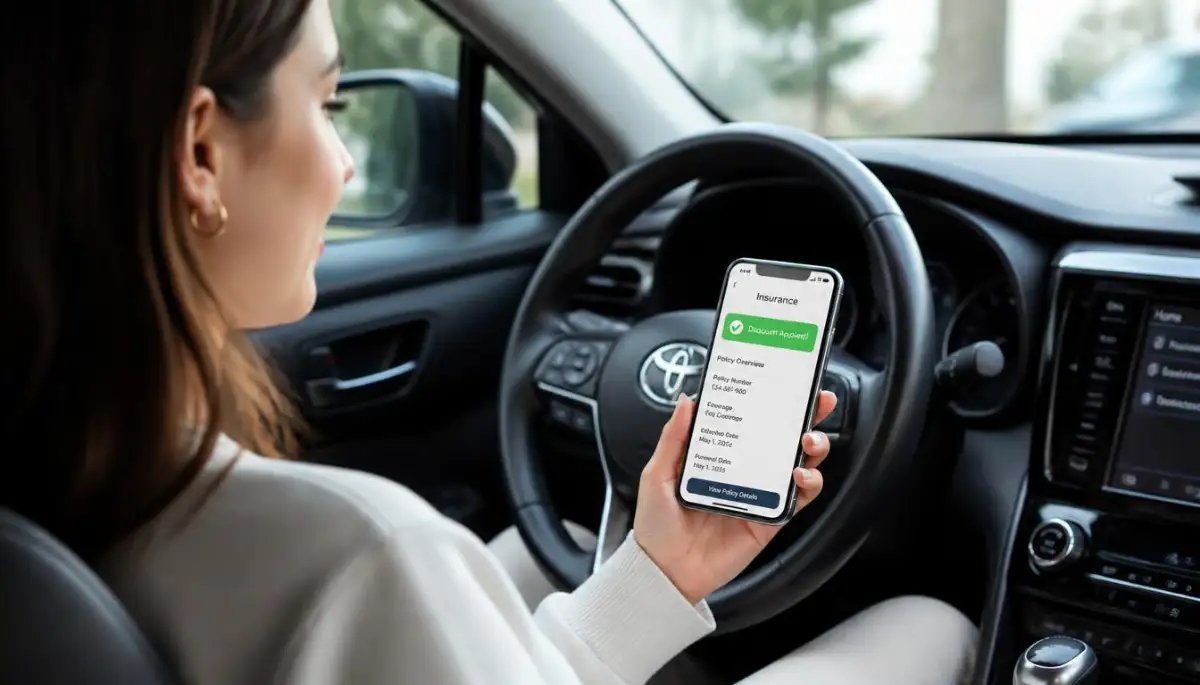
Fatal Errors That Can Destroy Your Safe Driver Status
Even the most careful people can make small mistakes that lead to huge price hikes. One of the most common pitfalls is the "Late Payment Trap."
Missing just one payment can cause your policy to cancel. Once a policy cancels, you lose your "continuous coverage" discount.
When you try to get insurance again, you will be treated like a brand-new driver. This can double your rates overnight, even if your driving record is still perfect.
It feels incredibly unfair, but the system is built on consistency. Always set up automatic payments to avoid this disaster.
The Danger of Small, Unreported "Incidents"
Sometimes, you might have a tiny scrape in a parking lot. You might think it is better to just pay for it yourself and not tell your insurer.
However, if the other person later decides to file a claim, you could be in big trouble. Your insurance company might refuse to help because you didn't report it immediately.
This can lead to a legal mess and a massive spike in your rates. Being a safe driver means being an honest and fast communicator.
Always document every small event, even if you don't plan to file a formal claim. It protects you from surprises later on.
Ignoring the "Policy Review" Email
We all get too many emails, but your insurance renewal notice is one you must read. Companies often change their "rating tiers" without a lot of noise.
Your rate might go up simply because the company changed its math. If you just let it auto-renew, you are giving away your hard-earned money.
Spend fifteen minutes every six months looking at your coverage limits. Are you paying for "roadside assistance" twice?
Maybe you have it through your car manufacturer and your insurance. Cutting these small overlaps can save you fifty dollars a year or more.
Letting Your Credit Health Slide
We cannot talk about insurance mistakes without mentioning credit health again. Life is unpredictable, and sometimes bills get missed.
However, your insurance company is watching your credit-based insurance score. If you stop paying your credit cards, your car insurance will likely go up at the next renewal.
It creates a "snowball effect" where everything becomes more expensive at once. Keeping your finances in order is a secret weapon for keeping your car on the road.
If you are a safe driver, you deserve the best prices. Don't let a small financial slip-up take that away from you.
Your Action Plan for Smarter Savings
You now have the knowledge to take control of your auto insurance costs. It isn't just about how you turn the steering wheel anymore.
It is about your home, your credit, your car's tech, and your daily habits. Start by calling your agent today and asking for a full discount review.
Ask them specifically about telematics programs. If you truly drive safely, you have nothing to fear from a tracking app.
A Quick Checklist for Today:
- Verify your annual mileage: Make sure it matches your real life.
- Check your credit score: A small jump in points can lead to big savings.
- Look for bundles: See if your home or renters' insurance can be moved.
- Ask about defensive driving: Find out which courses your company accepts.
You work hard to be a responsible person on the road. You follow the rules and protect the people around you.
The insurance system can feel cold and robotic, but you can win the game. By being proactive and informed, you can force the numbers to work in your favor.
Don't wait for your next bill to arrive. Take these steps now and start keeping more of your money where it belongs—in your pocket.
You have the power to change how the world sees your "risk." Drive safe, stay smart, and enjoy the rewards of your good habits.


![The Ultimate Guide to Winning Auto Insurance Claims [Stress-Free]](https://topic36.com/storage/uploads/blogs/1788793033_the-ultimate-guide-to-winning-auto-insurance-claims-stress-free.webp)