
The Hidden Stress Behind That "Perfect" Office Space
Imagine this. You finally found it. The perfect spot for your new coffee shop or tech office.
The windows are large, the location is busy, and the rent seems fair. You are excited to start. You feel like your dreams are finally coming true.
But then, six months later, everything changes. You get a bill for a broken roof you didn't know you had to fix.
Or worse, the city tells you that you cannot put a sign on the building. Suddenly, that "perfect" space feels like a heavy weight around your neck.
Many business owners face this exact nightmare. I have seen people lose their life savings because they missed one small line in a legal paper.
It isn't just about the money. It is the sleepless nights. It is the constant worry about being kicked out or sued.
We often think the landlord is on our side. But the truth is, a lease is a business deal, not a friendship.
If you don't look out for yourself, nobody else will. This is why legal due diligence is not just a fancy term.
It is your shield. It is the wall that protects your hard work from disappearing overnight.
Let's talk about how you can avoid these painful mistakes and sleep better at night.
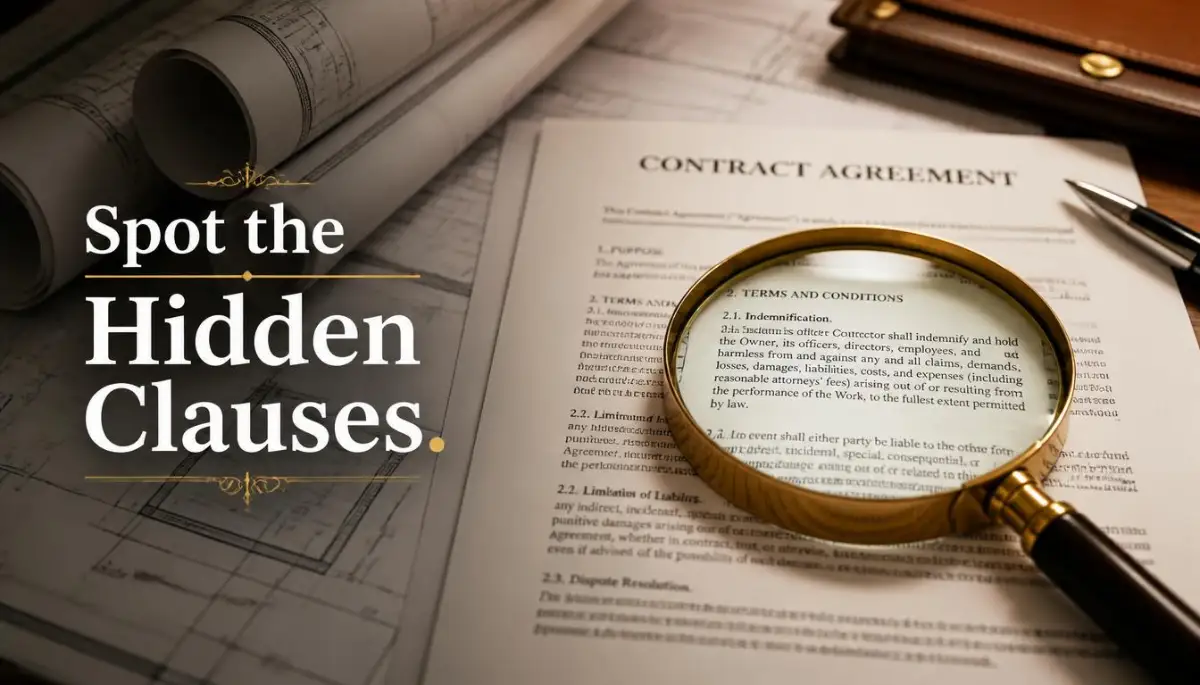
Understanding What You Are Actually Renting
Before you pick up a pen, you must know every inch of that property. It sounds simple, but it is where most people fail.
You need to look beyond the fresh paint and nice floors. You are not just renting a room; you are renting a legal responsibility.
Verify the Real Owner of the Property
Did you know that sometimes the person talking to you doesn't even own the building? They might be a middleman or a sub-leaser.
Always ask for proof of ownership. You can check local government records for this.
If you sign a deal with someone who has no right to rent the space, your contract is worthless. You could be forced to leave in a single day.
Make sure the name on the title matches the name on your lease agreement perfectly.
Check the Zoning Laws for Your Business Type
Not every building allows every type of business. Your "perfect" spot might be zoned only for offices, not for retail or food.
If you try to open a bakery in a zone meant for quiet offices, the city will shut you down.
Always visit the local planning department. Ask them if your specific business is allowed in that exact building.
Do not take the landlord’s word for it. They want to fill the space. You are the one who will pay the fines if the zoning is wrong.
Decoding the Financial Traps in the Contract
Money is usually the biggest cause of legal fights in real estate. It’s rarely about the base rent.
It is almost always about the "other" costs that pop up later. These are often hidden in very long paragraphs.
The Mystery of Common Area Maintenance (CAM)
Most commercial leases make you pay for shared spaces. This includes hallways, elevators, and parking lots.
Landlords call this CAM. But what does it actually cover?
Some landlords try to include their own legal fees or marketing costs in your CAM bill. This is not fair to you.
You should ask for a cap on these costs. For example, you can agree that CAM charges will never go up by more than 5% each year.
This gives you a predictable budget. Without a cap, your rent could double because the landlord decided to buy expensive statues for the lobby.
Understanding the Triple Net (INN) Trap
In a Triple Net lease, you pay for everything. You pay the rent, the property taxes, the insurance, and all maintenance.
This can be very dangerous if the building is old. If the air conditioning breaks, you have to pay $10,000 to fix it.
If the property taxes go up, your monthly payment goes up too.
Always ask for the past three years of tax and utility bills. This helps you see the trend.
If the costs are jumping up every year, they will keep jumping after you move in. Be ready for that or walk away.
Protecting Your Right to Run Your Business
A lease can sometimes tell you how to run your company. This is a big red flag that you need to watch for.
Watch Out for the "Permitted Use" Clause
This clause says what you are allowed to do in the space. If it is too narrow, you are in trouble.
If the lease says "Only for the sale of handmade wooden chairs," you cannot start selling tables later.
Try to make the language as broad as possible. Use terms like "General retail use" or "Professional office use."
This gives you the freedom to grow and change your business without asking the landlord for permission every time.
Exclusive Use Rights
Imagine you open a pizza shop. A month later, the landlord rents the space next door to a giant pizza chain.
Your business will likely die. To prevent this, you need an "Exclusive Use" clause.
This clause stops the landlord from renting any other space in the same building to a direct competitor.
It protects your market share. It is a very powerful tool that every small business owner should fight for.
The Physical Condition: A Legal Liability
The walls and floors are more than just parts of a building. In a legal sense, they are liabilities.
The "As-Is" Warning
If your lease says you are taking the space "As-Is," be very careful.
This means if the plumbing leaks on day two, it is your problem. The landlord has no duty to fix it.
Hire a professional inspector before you sign. Treat it like buying a house.
Check the roof, the electrical wires, and the heating system. If there are problems, ask the landlord to fix them before you sign.
Or, ask for a "Rent Credit." This means you fix the problems, but you don't pay rent for a few months to cover the cost.
Compliance with Accessibility Laws
Buildings must be accessible to everyone, including people with disabilities.
If the building is not compliant, the government can fine you.
Who pays for the new ramp or the wider doors? The lease must state this clearly.
Usually, the landlord should be responsible for structural changes to meet these laws. Make sure this is written in the contract.
What Happens When Things Go Wrong?
No one likes to think about their business failing or needing to move. But you must plan for the end at the beginning.
The Power of the "Exit Strategy"
What if you need to close your business? Or what if you get so big you need a larger building?
You need a way out. This is often called an "Assignment" or "Subletting" clause.
It allows you to give your lease to someone else. Some landlords try to block this completely.
Always insist on the right to sublet. The landlord can ask to approve the new tenant, but the lease should say they cannot "unreasonably withhold" that approval.
Understanding Termination Clauses
Sometimes a landlord can kick you out even if you pay your rent. They might want to tear down the building or sell it.
Look for "Early Termination" or "Demolition" clauses.
If the landlord has the right to end the lease early, they should have to pay you for your moving costs.
They should also give you at least six to twelve months of notice. Do not let them leave you on the street with only thirty days' notice.
Handling the Security Deposit
Just like a home rental, you will likely pay a security deposit. But in business, this amount can be huge.
Where is Your Money Kept?
In some areas, the landlord must keep your deposit in a separate bank account. They might even have to pay you the interest it earns.
Ask how the deposit will be handled. Also, be very clear about how you get it back.
The lease should say exactly how many days after you move out the money will be returned. Usually, 30 days is standard.
Using a Letter of Credit Instead of Cash
If the deposit is very large, it might hurt your cash flow.
You can ask the landlord if they will accept a "Letter of Credit" from your bank instead.
This means the bank guarantees the money, but the cash stays in your account. It keeps your business moving while keeping the landlord safe.
Final Review: The Power of the "Fresh Eyes"
Never read a lease just once. And never read it when you are tired.
The 24-Hour Rule
When you get the final version of the lease, wait one full day before signing.
Read it again in the morning when your mind is sharp. You will often find things you missed when you were excited the day before.
Compare the Final Draft to the First Draft
Landlords sometimes change small words in the final version hoping you won't notice.
A "may" can become a "must." A "tenant" can become a "landlord." These tiny words change everything.
Compare every single page. If something looks different, ask why.
Wrapping Up the First Phase of Due Diligence
By now, you should see that a lease is not just a price tag. It is a complex map of your future.
Taking these steps might take more time. It might even cost a little bit of money for inspectors or checks.
But compared to the cost of a legal battle, it is very cheap. You are building your business on a solid rock instead of shifting sand.
In the next part of our guide, we will look at how to negotiate these points without making the landlord angry.
We will also look at the specific documents you need to collect for your files.
Your business deserves a safe home. Let's make sure you get one.
Mastering the Fine Print: Advanced Secrets for a Safe Lease
Moving beyond the basics of rent and location, you enter a world of complex legal terms. These terms can either save your business or drain your bank account over time. One of the most powerful tools you have is the Tenant Improvement (TI) Allowance.
Many new business owners think they must pay for every wall or light fixture they install. However, a smart business owner negotiates for the landlord to pay for these "build-outs." This is money the landlord gives you to make the space fit your needs.
It is often better to ask for a higher TI allowance than a lower monthly rent. This keeps your cash in your pocket during the first year of business. Cash flow is the lifeblood of any startup, and preserving it early on is a pro-level move.
Another secret is the "Right of First Refusal." Imagine your business grows faster than you expected. You suddenly need the office next door, but the landlord rents it to someone else.
If you have the Right of First Refusal in your lease, the landlord must offer that empty space to you first. This allows you to expand without moving your entire operation to a new building. It provides a path for growth that is legally locked in.
The Hidden Impact of Estoppel Certificates
You might receive a document called an Estoppel Certificate during your lease term. Most people sign it without thinking, but this is a mistake. This document is usually for the landlord’s bank when they want to sell or refinance the building.
When you sign it, you are legally confirming the current status of your lease. If the landlord promised you two months of free rent but it isn't in the Estoppel, you lose that right. Always double-check your records against this document before signing.
It is a small piece of paper that holds massive legal weight. Treat it with the same respect as the original lease agreement. Errors here can lead to expensive disputes if a new owner takes over the property.
Securing Your Future with Renewal Options
Never sign a lease that doesn't have a clear Renewal Option. You do not want to build a loyal customer base only to be kicked out after three years. A "5+5" lease is a common and safe structure.
This means you have a five-year lease with the legal right to stay for another five years. The key is to decide how the rent will be set for those second five years. You should aim for a Fixed Increase rather than "Fair Market Value."
Fair Market Value is a vague term that landlords can use to spike your rent. If the neighborhood becomes popular, your rent could double. A fixed percentage, like a 3% increase, keeps your costs predictable and your future secure.
Before deciding to commit to a long-term commercial lease, you might find yourself wondering is buying a home smarter than renting the real money facts when compared to business property. Understanding the logic of property ownership helps you negotiate better lease terms.
Environmental and Technical Deep Dives
You must think about what is hidden inside the walls and under the floors. In older buildings, asbestos or lead paint can be a major health and legal risk. If you start a renovation and find these materials, the cleanup costs are astronomical.
Your lease should state that the landlord is responsible for any per-existing environmental hazards. You should also check for compliance with the Americans with Disabilities Act (ADA). If the bathrooms or entrances don't meet these rules, the city might fine you.
According to the U.S. Environmental Protection Agency (EPA), certain disclosures are required for older properties. Ensure your landlord provides all necessary safety documents before you move in. This protects both your staff and your legal liability.

The Quiet Killers: Mistakes That Can Bankrupt Your Business
One of the most heart-breaking mistakes I see is the Personal Guarantee trap. When you sign a lease for your LLC, the landlord might ask you to sign a personal guarantee. This means if your business fails, the landlord can take your personal house or car.
Many people sign this because they feel they have no choice. But you can often negotiate a "Good Guy Guarantee." This means you are only personally liable for the rent until the day you hand back the keys and vacate the space.
It protects the landlord from a "midnight move-out" but protects you from a lifetime of debt. If you are struggling with your finances or credit because of a bad business deal, learning how to rebuild your credit score after a major financial disaster can be a life-saver.
Ignoring the "Loss Factor" in Square Footage
When a landlord tells you a space is 2,000 square feet, they might be lying—legally. In commercial real estate, there is "Usable Square Footage" and "Rent able Square Footage."
Rent able footage includes a portion of the building's shared lobbies and hallways. This is called the Loss Factor. If the loss factor is 20%, you are paying for 2,000 feet but only using 1,600 feet.
Always bring your own tape measure. If the gap between what you use and what you pay for is too high, use that as a reason to ask for a lower price per foot. Don't pay "office rates" for a hallway you don't control.
The Danger of Verbal Agreements
"Don't worry, I'll fix the AC next month." If a landlord says this, it means nothing unless it is in writing. I have seen businesses shut down during summer because the air conditioning died and the landlord "forgot" their promise.
In the legal world, if it is not on the paper, it does not exist. This is called the Merger Clause. It says that the written contract is the entire agreement.
Any promise made over coffee or a handshake is erased the moment you sign the lease. Demand an "Addendum" for every single verbal promise. If the landlord refuses to put it in writing, they never intended to do it in the first place.
Failing to Check the HVAC Responsibility
The Heating, Ventilation, and Air Conditioning (HVAC) system is the most expensive machine in your building. Many leases say the tenant is responsible for "maintenance and repair." This sounds okay until the whole system dies.
A repair might cost $500, but a replacement costs $15,000. You should negotiate a Replacement Cap. This means you pay for small repairs, but if the system needs a total replacement, the landlord pays for it.
Another option is to ask for an HVAC Warranty for the first year. This ensures you aren't paying for the previous tenant's wear and tear. It is a simple clause that saves you from a massive, unexpected bill in your first year.
Your Path to a Successful Business Home
Signing a commercial lease is a huge milestone for any entrepreneur. It is the moment your dream gets a physical address. But don't let the excitement cloud your judgment.
The best deals are not found; they are made through careful checking and brave asking. You have the right to a space that is safe, affordable, and fair. By following these due diligence steps, you are not being "difficult." You are being a smart business owner.
Take your time with the documents. Ask the hard questions about CAM costs and personal guarantees. Remember that the person across the table is looking out for their money. You must look out for yours.
If you ever feel overwhelmed, take a break. Think about the long-term health of your company. A well-negotiated lease is like a strong foundation for a house; it allows everything above it to stand tall for years.
The world of business is full of risks, but your lease shouldn't be one of them. Use this guide as your roadmap. Stand your ground, check the facts, and move forward with confidence. Your future self will thank you for the work you do today.
Your Final Lease Checklist
- Verify Ownership: Ensure the landlord truly owns the deed.
- Cap the CAM: Put a limit on how much shared costs can grow.
- Check Zoning: Confirm your business type is legally allowed.
- Limit Guarantees: Try to avoid putting your personal home at risk.
- Plan the Exit: Make sure you can sublet if your plans change.
You are now ready to take the next step. Go out there and find the space that will help your business reach the next level. You have the knowledge and the tools to sign with total peace of mind.

![5 Hidden Real Estate Escrow Secrets to Know [Step-by-Step]](https://topic36.com/storage/uploads/blogs/1788794749_5-hidden-real-estate-escrow-secrets-to-know-step-by-step.webp)