The Hidden Cost of Living in an Outdated Home
Have you ever looked at your monthly electricity bill and felt a sharp pain in your chest? You are not alone. Many of us live in houses that are essentially "leaking" money every single hour.
Imagine waking up on a cold morning. You turn on the heater, but the warmth seems to disappear as soon as the machine stops. Or think about those sweltering summer days when your air conditioner runs non-stop, yet the upstairs rooms feel like an oven.
This isn't just about comfort. It is about a constant struggle that wears you down. You work hard for your money, only to see it vanish into inefficient appliances and poor insulation.
I recently spoke with a homeowner named Sarah. She told me how she dreaded the change of seasons. Her old house had thin walls and drafty windows.
"I felt like I was burning cash just to keep my kids from shivering," she said. This is the reality for millions of people. It creates a sense of helplessness.
We want to protect our families and the world around us. But when our homes are built with outdated methods, we feel trapped in a cycle of high costs and high carbon footprints.
The stress of rising utility prices is real. It affects your mood, your budget, and your peace of mind. But what if your home could actually work for you instead of against you?
Making Your Home Smarter and More Efficient
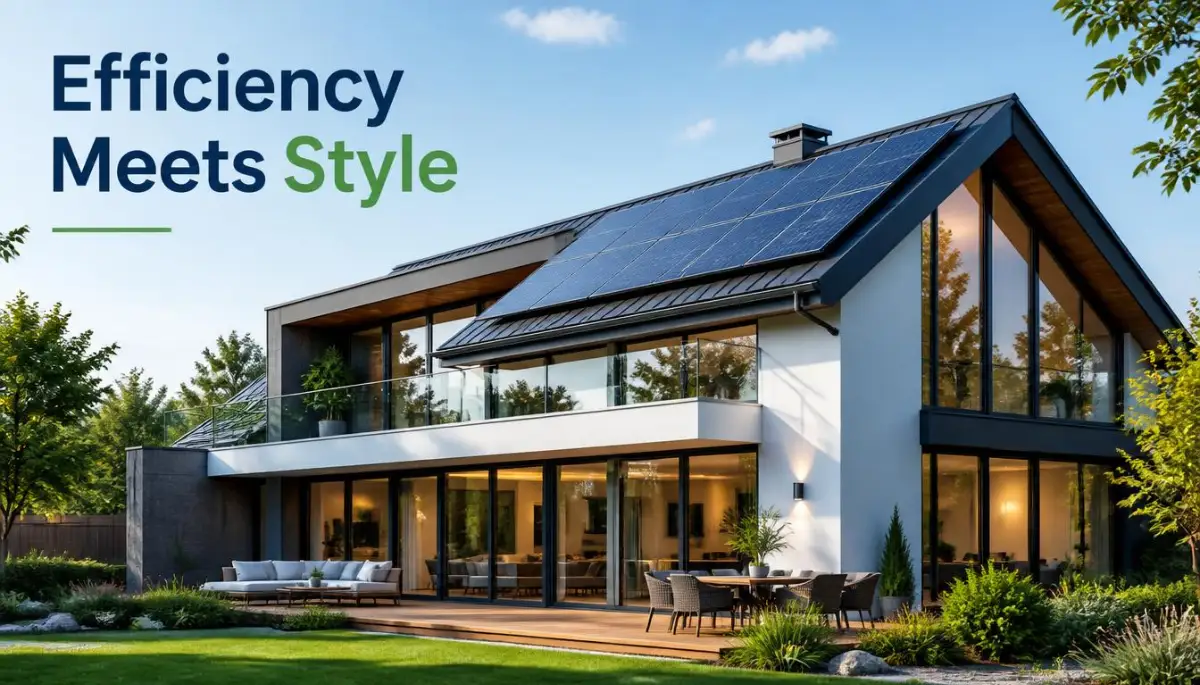
The good news is that the way we build houses is changing. We are moving toward a future where "green" isn't just a buzzword. It is a way to live better.
Let's look at how you can transform your living space into an energy-saving powerhouse. These steps are based on real science and practical logic.
Sealing the Envelope: The Power of Better Insulation
Think of your home like a thermos. If a thermos has a hole in the lid, your coffee gets cold. Your house works the same way.
Most energy loss happens through the roof and the walls. By using high-quality insulation materials, you create a barrier. This barrier keeps the heat inside during winter and outside during summer.
Pro Tip: Focus on the attic first. Since heat rises, a poorly insulated attic is the biggest culprit for high heating bills.
Modern materials like spray foam or recycled cellulose are much better than the old stuff used decades ago. They fill every tiny crack and crevice. This prevents "air leakage," which is one of the most common reasons for energy waste.
Choosing Windows That Actually Protect You
Windows are beautiful, but they can be a major weak point. Old single-pane glass offers almost no protection against the elements.
Switching to double or triple-pane windows can change your life. These windows have a layer of inert gas, like argon, trapped between the glass. This gas acts as a shield.
It stops the sun's heat from baking your living room. It also keeps your expensive indoor air from escaping. You will notice the difference in the first month.
Not only does it save money, but it also blocks outside noise. Imagine a home that is both energy-efficient and whisper-quiet. That is the power of smart window design.
Breathing Easy with Natural Ventilation
We often rely too much on machines to stay cool. But architects are now looking back at how people stayed cool before air conditioning existed.
This is called "passive cooling." It involves placing windows in specific spots to catch the breeze. By creating a cross-flow of air, you can naturally lower the temperature of your home.
High ceilings and thermal chimneys are also great tools. They allow hot air to rise and escape through the top of the building. This draws cool air in from the bottom.
It costs zero dollars to let the wind cool your house. All it takes is a design that understands the local climate. This simple logic saves a massive amount of energy over time.
The Role of Smart Technology in Daily Savings
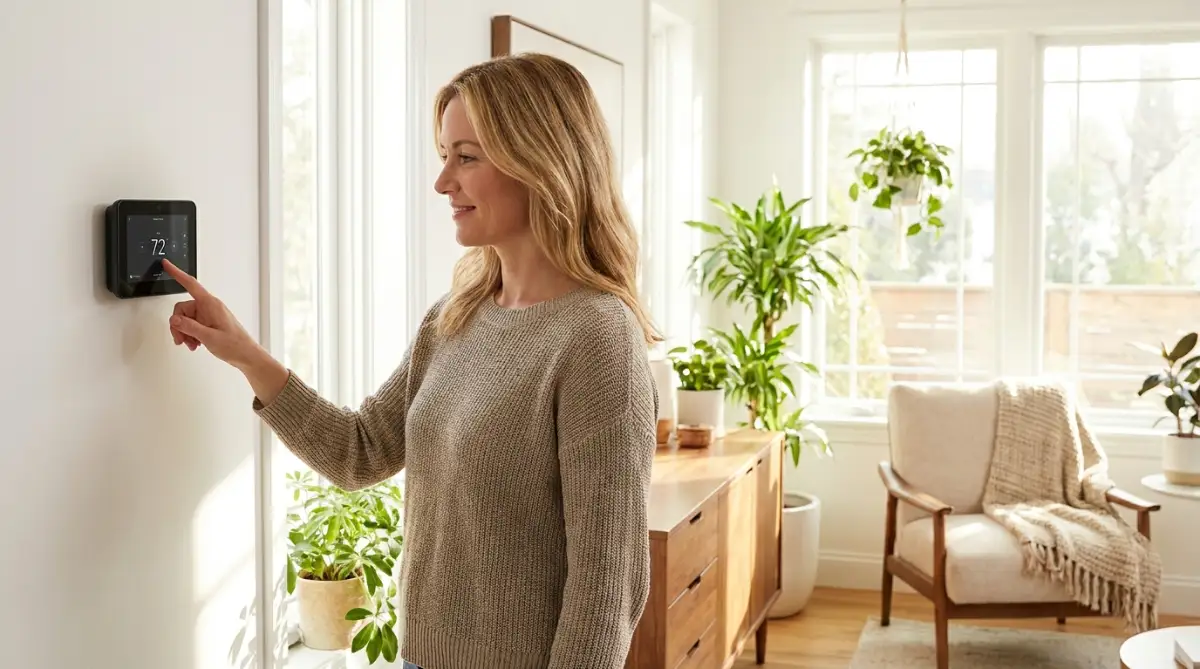
We live in an age where your house can think for itself. Smart thermostats are a perfect example of this.
Instead of leaving the AC on all day, these devices learn your schedule. They turn down the cooling when you are at work. They start cooling the house down just before you arrive home.
Expert Insight: A smart thermostat can save the average household up to 15% on cooling and heating costs.
You can control everything from your phone. If you forget to turn off the lights, you can do it from your office. This level of control removes the "human error" that often leads to high bills.
Harvesting the Sun: Solar Integration Simplified
Many people think solar panels are too expensive or complicated. However, the cost of solar technology has dropped significantly.
Installing solar panels allows you to generate your own "clean" power. In some cases, you can even sell extra electricity back to the grid.
It is like having a tiny power plant on your roof. Even if you don't go fully "off-grid," a small solar setup can run your water heater or your outdoor lights.
This reduces your reliance on big utility companies. It gives you a sense of independence and security. Plus, it adds a lot of value to your property if you ever decide to sell.
Why Sustainable Materials Matter for Your Health
Sustainable building isn't just about energy. It is also about the materials we use inside the house.
Traditional paints and carpets often release chemicals called VOCs (Volatile Organic Compounds). These can cause headaches and allergies.
Green design focuses on using natural materials. Think about bamboo flooring, wool carpets, or non-toxic paints.
These materials are better for the planet because they are renewable. But more importantly, they are better for your lungs. A sustainable home is a healthy home.
Comparing Traditional vs. Sustainable Design
The Long-Term Value of Your Investment
Some people worry that building an energy-efficient home costs more upfront. While there can be a slightly higher initial cost, you have to look at the big picture.
You are prepaying for your future comfort. Every dollar you spend on better insulation is a dollar you won't spend on utility bills later.
Also, the real estate market is changing. Buyers today are looking for "green" features. They want homes that are cheap to run.
An energy-efficient home stays on the market for a shorter time. It often sells for a higher price than a standard home. It is one of the safest investments you can make.
Starting Small: You Don't Need a New House
You might be thinking, "This sounds great, but I already have a house." Don't worry. Sustainable practices aren't just for new builds.
You can "retrofit" your current home. Start by sealing the gaps around your doors with weatherstripping. It is cheap and easy to do.
Next, swap out your old light bulbs for LEDs. They use a fraction of the energy and last for years.
Small changes add up quickly. You don't have to change everything at once. Focus on one area each month, and soon you will see the results on your bill.
Water Conservation: The Often Forgotten Element
When we talk about energy, we often forget about water. But heating water takes a lot of electricity or gas.
By installing low-flow showerheads and faucets, you use less hot water. This means your water heater doesn't have to work as hard.
Also, consider a "greywater" system. This takes the water from your laundry and uses it to water your garden.
It is a simple way to recycle a precious resource. In areas where water is expensive or scarce, these systems are life-savers.
The Psychological Impact of a Green Home
There is a deep sense of satisfaction that comes from living sustainably. You feel a connection to the environment.
You also feel a sense of pride. You are taking responsibility for your footprint on the earth.
Studies show that people living in homes with lots of natural light and fresh air are happier. They are more productive and sleep better.
Your home should be a sanctuary. By using sustainable design, you create a space that truly supports your well-being. It is not just a building; it is a lifestyle choice that pays off every single day.
Mastering the Skeleton of Your Home
In the first part of our guide, we looked at windows and solar panels. Now, we need to go deeper into the actual bones of your house.
The way a house is positioned on a piece of land is the biggest secret to saving money. Architects call this building orientation.
If you want to keep your house warm without spending a penny, you must think about the sun. In most places, you want your largest windows to face the path of the sun.
This allows the winter sun to enter your home and heat your floors naturally. During the summer, you can use simple shades or trees to block that same sun.
It is a simple trick that has been used for hundreds of years. Yet, many modern builders forget this basic logic.
When you are buying a home, look at which way the living room faces. If it faces the wrong way, you might spend a lifetime fighting against the weather.
The Secret of Thermal Mass
Have you ever touched a stone wall after the sun has gone down? It still feels warm to the touch.
This is called thermal mass. Materials like concrete, brick, and stone act like a natural battery for heat.
In an energy-efficient home, we use these materials strategically. A heavy concrete floor can soak up the heat during a sunny day.
At night, when the air gets cold, that floor slowly releases the warmth back into the room. This keeps the temperature stable without your heater turning on.
It works the same way in the summer. These materials stay cool during the day, helping your air conditioner work much less.
You don't need a house made entirely of stone. Just a few well-placed walls or a thick floor can make a massive difference.
Achieving the Dream of Net-Zero Living
You might have heard the term "Net-Zero." It sounds like a big, scary technical word.
Actually, it is a very simple and beautiful idea. A net-zero home produces as much energy as it uses over a whole year.
Imagine having a utility bill that says "Zero Dollars" every single month. This is becoming a reality for more families every day.
To reach this goal, you combine extreme insulation with renewable energy like solar. You also need to use highly efficient appliances that don't waste power.
According to the U.S. Department of Energy, focusing on the building envelope is the first step to reaching this goal. You cannot reach net-zero if your house is leaking air like a broken bucket.
It is a long-term goal, but it starts with small choices today. Every change you make brings you closer to that freedom from bills.
The Blower Door Test: Finding the Invisible Leaks
How do you know if your house is truly energy-efficient? You can't always see the problems with your eyes.
This is where a Blower Door Test comes in. A professional energy auditor uses a giant fan to pull the air out of your house.
While the fan is running, they use smoke or infrared cameras to see where air is coming in. You might find leaks under your baseboards or around your light switches.
These tiny holes might seem small, but together, they can be like leaving a window open all year. Fixing these leaks is often very cheap.
A bit of caulk or some weatherstripping can save you hundreds of dollars. It is one of the most effective ways to upgrade an older home.
Investing in the Right Technology
As we look at modern building, we see how much AI is changing the way we live. Smart systems can now manage your home’s energy use automatically.
Imagine a system that knows when electricity is cheapest and runs your dishwasher at that time. Or a system that closes your blinds when it senses the afternoon sun is too hot.
This is not science fiction. These systems are available right now for residential homes.
They take the pressure off your shoulders. You don't have to remember to adjust the thermostat every time you leave the room.
The technology does the hard work for you. This ensures that your home is always running at peak efficiency.
The Danger of the "Cheap Material" Trap
When people start building or renovating, they often get scared by the price tags. They see a high-quality window and a cheap window.
The cheap window looks almost the same. So, they choose the cheaper option to save money today.
This is a huge mistake that leads to years of regret. Cheap materials fail faster and perform poorly.
A cheap window will let in drafts and moisture within a few seasons. Then, you have to pay to replace it again, which costs more in the long run.
It is much better to do one room correctly than to do the whole house poorly. Think about the "Total Cost of Ownership," not just the price today.
If you have experienced a financial disaster, you know that small savings can lead to big debts later. Be patient and choose quality over speed.
Forgetting the Importance of Air Quality
Another common mistake is making a house "too tight" without thinking about fresh air. If you seal every crack but don't have a ventilation plan, the air inside gets stale.
This can lead to moisture buildup and mold. Mold is a nightmare for your health and your home's structure.
A smart energy-efficient design uses something called an ERV (Energy Recovery Ventilator). This machine brings in fresh air from outside.
As the air comes in, it "borrows" the temperature from the air going out. This means you get fresh, clean air without losing your heat or cooling.
It keeps the humidity at a perfect level. You will breathe better and sleep better in a home that thinks about air quality.
Why You Should Never Skip the Energy Audit
Some homeowners think they can find all the problems themselves. They buy a few rolls of insulation and hope for the best.
Without a professional audit, you are just guessing. You might put insulation in the attic when the real problem is in the crawlspace.
An expert can give you a roadmap. They show you which changes will save you the most money first.
This prevents you from wasting money on things that don't help. It gives you peace of mind knowing your money is going to the right place.
The "Set It and Forget It" Myth
Energy efficiency is not a one-time event. It is a habit that you must maintain.
If you have solar panels, they need to be cleaned so they can catch the sun. If you have a smart HVAC system, the filters must be changed regularly.
If you ignore these small tasks, your efficient home will slowly become inefficient. It is like buying a high-performance car and never changing the oil.
Make a simple checklist for your home. Check your seals once a year. Look at your energy bills to see if there are any sudden spikes.
Staying proactive is the only way to keep your savings high. It also helps you spot small problems before they become expensive repairs.
Your Action Plan for a Greener Tomorrow
Building or living in an energy-efficient home is one of the best things you can do for your family. It is a journey that brings comfort, health, and financial freedom.
You don't have to be an expert to start. You just need to take the first step.
Start by looking at your home with new eyes. Where is the sun? Where are the drafts?
Make a small change this weekend. Buy some weatherstripping or switch your light bulbs to LEDs.
Feel the satisfaction of taking control of your energy use. This small spark of action can lead to a completely different lifestyle.
We are living in a time where we have the tools to build a better world, one house at a time. Your home is your most personal space.
By making it sustainable, you are creating a legacy. You are showing that you care about the future and your wallet.
A Final Word of Encouragement
Don't let the technical details overwhelm you. Every big change starts with a single thought.
You deserve a home that is quiet, comfortable, and affordable. You deserve to wake up in a space that supports your health.
Sustainable building is not just for the rich or the "eco-warriors." It is for anyone who wants a smarter way to live.
Take a deep breath and look at your options. The path to a better home is right in front of you.
Start today, and your future self will thank you for the comfort and the savings. You have the power to change your environment, so why wait any longer?

![5 Hidden Real Estate Escrow Secrets to Know [Step-by-Step]](https://topic36.com/storage/uploads/blogs/1788794749_5-hidden-real-estate-escrow-secrets-to-know-step-by-step.webp)