
The Shocking Truth About My "Complete" Home Protection
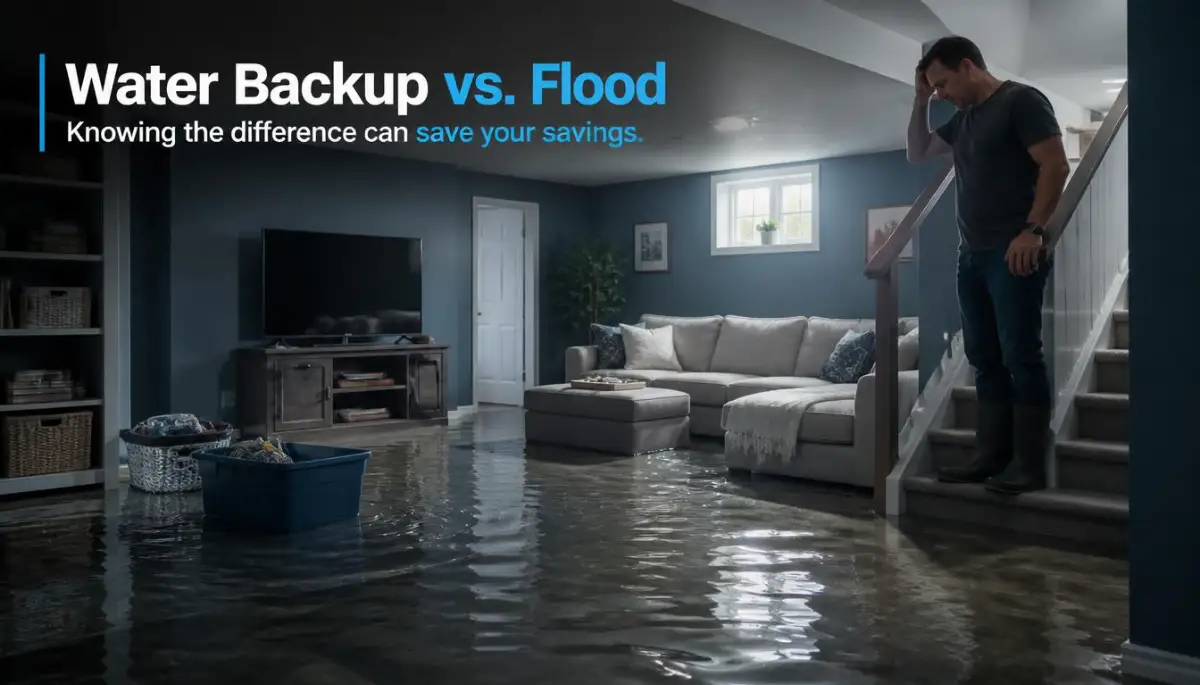
I still remember the exact moment my stomach dropped as I stood in my flooded basement, staring at my ruined belongings. I had always paid my home insurance premiums on time, assuming I was fully protected from any unexpected disaster. When the water started rising after an intense storm, I just told myself everything would be fine because my policy would cover it. But a single phone call with my insurance agent quickly shattered that false sense of security. They calmly explained that my standard policy did not cover water backup from outside drains. That meant all the massive repair costs were coming entirely out of my own pocket.
My story is not unique at all, and this exact nightmare happens to thousands of property owners every single day. We buy these massive policies and just naturally assume our biggest financial investment is completely safe from harm.
The reality hits incredibly hard when an unexpected disaster strikes your beloved property. You suddenly realize that the financial safety net you paid for has massive holes cut right through it.
This lack of clear information causes immense financial stress and constant worry for everyday families. Imagine losing your favorite family heirlooms and then finding out your insurance company will not pay a single dime to help you recover.
The mental toll of fighting with stubborn insurance adjusters while your house sits damaged is incredibly overwhelming. Everyday people lose sleep, drain their hard-earned emergency savings, and sometimes even have to take out high-interest personal loans just to fix basic structural issues.
It is completely unfair that these specific coverage rules are hidden deep within pages of confusing legal text. You absolutely deserve to know exactly what is excluded from your protection plan before a disaster forces you into serious debt.
Uncovering the Silent Traps in Your Property Coverage
When we buy a home, we are handed a massive stack of papers filled with legal jargon that most of us simply scan and sign. We trust the system, believing that a standard policy is a shield against all bad things.
However, insurance companies operate on very specific guidelines that are designed to protect their profit margins, not necessarily your peace of mind. By breaking down these unspoken rules, you can finally take control of your property protection.
Understanding these gaps is the first major step toward true financial security. Let us look closely at the most common surprises that catch homeowners completely off guard.
The Silent Destroyer: How Water Damage Tricks You
Water is the number one enemy of any physical structure, but insurance companies treat different types of water damage very differently. Most homeowners believe that if water enters their home and causes damage, they are automatically covered.
This is one of the biggest and most expensive myths in the entire property market. Your standard plan usually covers sudden internal issues, like a burst pipe inside your kitchen wall.
However, if a nearby river overflows or heavy rain causes surface water to flood your living room, you are entirely on your own. Flood damage is almost universally excluded from basic plans across the country.
Even worse, water that backs up through your sewers or outdoor drains is also typically excluded unless you buy a specific add-on. If your sump pump fails during a heavy storm, the resulting mess will be your financial responsibility.
Myth vs Reality:
- Myth: "My home insurance covers all types of water damage."
- Reality: "Standard policies exclude external flooding, sewer backups, and long-term hidden leaks."
Think of your standard policy like an umbrella. It keeps you dry when rain falls directly from the sky, but if you step into a deep puddle, your feet are still getting wet.
The Ground Beneath Your Feet: Earth Movement Exclusions
Another massive shock for property owners comes from the ground itself. If the earth shifts and causes massive cracks in your foundation, you might naturally expect your insurance to help pay for the structural repairs.
Unfortunately, standard policies specifically exclude something known as "earth movement." This broad category covers a huge variety of devastating natural events.
Earthquakes, sudden sinkholes, mudslides, and even gradual foundation settling are entirely excluded from basic protection plans. If a minor tremor causes your chimney to collapse, your insurance provider will simply point to the earth movement clause and deny the claim.
If you live in an area known for soil instability or seismic activity, depending on a basic policy is incredibly risky. You must purchase separate earthquake coverage or specific endorsements to protect your home from these ground-level threats.
Introductory text for the video:
If you want to completely understand how insurance adjusters use these specific clauses to deny claims, you absolutely need to watch this expert breakdown. This quick visual guide will show you exactly where to look in your paperwork to find these hidden traps today.
The Gradual Damage Trap: Why Routine Maintenance Matters
Insurance is specifically designed for sudden and accidental events, not for things that happen slowly over a long period. Many homeowners make the mistake of treating their insurance policy like a home warranty or a free maintenance plan.
If your old roof slowly rots away over many years and eventually springs a leak, your insurance company will likely deny the claim. They will state that the damage was caused by general wear and tear or neglect, which is your responsibility to prevent.
The same rule applies to hidden pest infestations. If termites secretly chew through your wooden support beams, standard policies will not cover the removal or the costly repairs.
Insurance providers expect you to actively maintain your property to prevent these slow-moving disasters. Regular inspections and immediate repairs are your only true defense against the wear and tear exclusion trap.
My own realization about this was a tough pill to swallow.
I once ignored a slightly loose shingle on my roof, thinking it was just a minor cosmetic issue that could wait until next spring. When a mild storm completely tore that section apart and caused a leak, my claim was instantly denied because the adjuster proved the initial damage had been neglected for months. Always fix small issues the very second you spot them, because ignoring them will void your protection when a real storm hits.
The Strict Limits on Your Most Valuable Possessions
Most people assume that if their home burns down or is severely burglarized, they will get a check to replace absolutely everything they owned. While your personal property is covered, there are strict built-in limits for specific categories of items.
If you own expensive jewelry, high-end electronics, rare artwork, or massive collections, your standard limit might only cover a tiny fraction of their actual worth. For example, a basic policy might only pay out a maximum of two thousand dollars for stolen jewelry, even if your stolen ring was worth ten thousand.
Cash stored under your mattress or in a home safe is also severely limited, usually capped at just a couple of hundred dollars. To fully protect these high-value items, you have to specifically schedule them on your policy and provide active appraisals.
If you do not take this extra step, you will face a heartbreaking financial loss if a thief targets your home.
Ordinance or Law Exclusions: The Rebuilding Nightmare
Imagine a fire destroys a large section of your older home, and you finally get your insurance claim approved. You think the hardest part is over, but then the city building inspector delivers a massive blow to your budget.
Building codes constantly change, and if your house is older, you might be legally required to upgrade the electrical or plumbing systems during the rebuild. Your standard insurance policy will strictly pay to replace what was originally there, not the cost of the newly required modern upgrades.
This hidden gap is known as the "ordinance or law" exclusion. Homeowners are frequently forced to pay thousands of dollars out of pocket just to bring their damaged homes up to current municipal codes.
Adding an ordinance or law endorsement is relatively cheap, but skipping it can easily bankrupt a family during a major rebuilding process.
The Toxic Threat: Mold and Fungi Limitations
Mold is a terrifying word for any property owner, as it can cause massive structural rot and severe respiratory health issues. If mold grows in your home, getting rid of it requires expensive professional remediation.
Sadly, standard policies are notoriously strict when it comes to covering mold, fungi, or dry rot. If the mold is the result of a sudden, covered accident like a burst pipe that was immediately reported, you might get some help.
However, if the mold grew because of a slow, hidden leak behind your shower wall that you did not notice for months, your claim will definitely be denied. Even if they do cover the mold removal, many policies have a very strict financial cap on mold remediation.
This cap is often much lower than the actual cost of safely removing the toxic spores and replacing the damaged walls.
Actionable Strategies to Bulletproof Your Protection
Knowing about these massive gaps is only half the battle. You must take immediate, proactive steps to ensure your property is actually secure from these hidden threats.
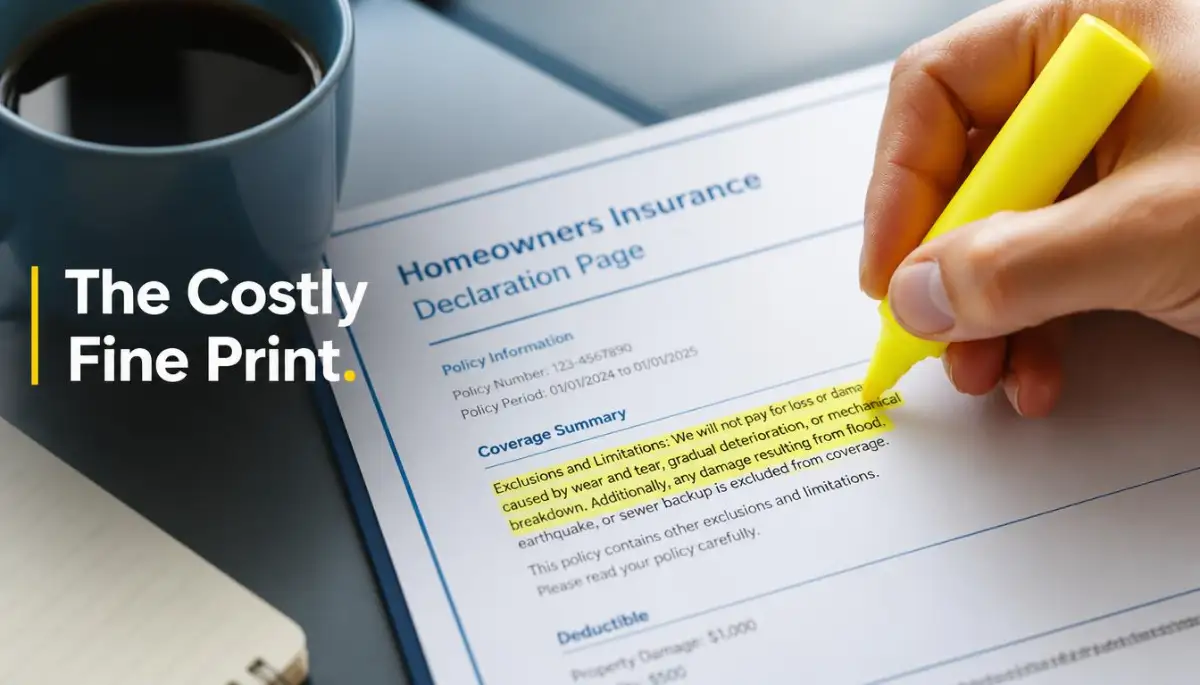
Start by pulling out your exact policy declarations page tonight and reading it carefully. Look specifically for a section boldly titled "Exclusions" or "Losses Not Insured."
Do not be intimidated by the small print; just take a bright highlighter and mark any sentence that says "we do not cover." Once you know your weak spots, you can call your agent and ask very direct questions about buying extra endorsements.
Ask them exactly how much a water backup rider costs, because it is usually incredibly affordable and saves you from massive headaches. Document every single room in your house with a simple video on your phone, opening drawers and showing your valuable items.
Store this video online, so if a disaster ever strikes, you have undeniable proof of what you owned. By taking these simple, highly effective steps, you transform a fragile safety net into an unbreakable shield for your family.
Mastering Your Property Protection Like an Insider
Now that you know the dark truth about what standard policies leave out, it is time to turn the tables. You do not have to be a helpless victim of confusing legal paperwork anymore.
Taking control of your home protection simply requires a little bit of insider knowledge and proactive thinking. The good news is that fixing these massive gaps is often much easier and cheaper than you might think.
Let me walk you through the exact strategies smart property owners use to guarantee their homes are fully covered. By applying these specific actions, you will create a personalized safety net that actually works when you need it most.
The Power of Specialized Policy Riders
The secret weapon against hidden exclusions is something the industry calls "riders" or "endorsements." Think of a rider as a customized upgrade you can attach to your basic policy for a small extra fee.
If you discovered that water backup is excluded from your standard agreement, you simply buy a water backup rider. This specific addition usually costs less than a family dinner out, but it can save you tens of thousands of dollars in repairs.
You can also purchase riders for things like expensive jewelry, high-end electronics, and fine art. If you own a massive collection of vintage guitars, a standard policy will not cover their true value if they are stolen.
By adding a scheduled personal property rider, you guarantee that you will receive the exact appraised value for those specific items. This removes the stress of relying on general coverage limits and gives you total peace of mind.
Understanding Actual Cash Value vs. Replacement Cost
This is a massive area where everyday people lose a lot of money during a claim. When you read your policy, you will likely see terms like "Actual Cash Value" and "Replacement Cost."
Knowing the difference between these two terms is absolutely essential for your financial survival. Actual Cash Value means the insurance company will only pay you what your damaged item is worth today, after years of depreciation.
For example, if a fire destroys your ten-year-old living room sofa, they might only give you fifty dollars for it. That is definitely not enough money to buy a brand new sofa to sit on.
Replacement Cost, on the other hand, means the company will pay the actual price to buy a brand new version of that exact item today. You always want to make sure your policy is strictly set to Replacement Cost for both your physical house and your belongings.
It might cost slightly more upfront, but it ensures you can completely rebuild your life without draining your personal savings. For deeper insights on protecting your assets, checking Insurance Information Institute resources can help you properly calculate these replacement costs.
The Annual Policy Audit Rule
Your life changes constantly, and your home protection plan needs to change right along with it. A massive mistake people make is buying a policy on the day they close on their house and then never looking at it again.
You might spend a weekend adding an expensive new deck or heavily renovating your kitchen. Perhaps you read a great guide on making your home's tiny rooms look huge and decided to install custom skylights and premium flooring.
If you do not call your agent to update your coverage, those beautiful new upgrades are not protected. I highly recommend setting a specific date every single year to do a complete audit of your property documents.
Sit down with a cup of coffee, review what you have bought or built over the last twelve months, and adjust your limits. Treat this annual review just like troubleshooting those annoying slow internet drops before a major work meeting; you fix the gaps before they cause a disaster.
Protecting Against Inflation and Rising Construction Costs
The cost of wood, pipes, wires, and construction labor goes up significantly every single year. A house that cost two hundred thousand dollars to build a decade ago might cost four hundred thousand dollars to rebuild today.
If your insurance limit stays flat while construction costs skyrocket, you will be left with a massive bill after a total loss. To combat this, you must explicitly ask your agent for an "Inflation Guard" endorsement.
This amazing feature automatically increases your home's coverage limit by a small percentage each year to match current building costs. It is one of the smartest, hands-off ways to ensure you are never caught underinsured.
You can cross-reference local building cost trends through the National Association of Insurance Commissioners to see exactly how much materials have increased in your specific state.
The Most Dangerous Traps Property Owners Fall Into
Even with the best intentions, it is incredibly easy to stumble into financial traps when dealing with massive insurance corporations. When panic sets in after a storm, people often make rash decisions that accidentally void their remaining coverage.
Understanding what not to do is just as important as knowing what to add to your policy. Let us explore the most devastating mistakes that can completely ruin your chances of getting a fair payout.
Relying on Verbal Promises from Agents
Your insurance agent might be the friendliest person in your neighborhood, but their spoken words mean absolutely nothing in a courtroom. Many homeowners call their agent to ask if a specific type of storm damage is covered.
The agent might casually say yes over the phone, giving the homeowner a completely false sense of security. However, when the claims adjuster arrives weeks later, they will strictly follow the written legal contract, ignoring any phone conversations.
If an exclusion is clearly printed in your documents, a verbal promise from an agent cannot override it. Always demand that any coverage confirmations or changes are sent to you directly in writing via email or official mail.
If you ever need to dispute a denied claim, having a solid paper trail is your only actual defense.
Failing to Document the Initial Damage Immediately
When a pipe bursts and floods your hallway, your first instinct is usually to grab some towels and start aggressively cleaning up. While stopping the water is incredibly smart, throwing away the broken pipe or the ruined carpet before the adjuster sees it is a huge mistake.
Insurance companies need absolute, undeniable proof of what caused the issue and exactly how bad the destruction was. If you clean up the entire mess and throw the evidence in the trash, the company can easily claim the damage never happened.
Before you start ripping out wet drywall or tossing damaged furniture, grab your smartphone and record a detailed video of everything. Take hundreds of well-lit photos from multiple angles, showing exactly where the problem started.
You should treat the damaged area like a crime scene until you have secured solid visual evidence.
Ignoring Routine Home Maintenance
As we discussed earlier, insurance does not cover general wear and tear or absolute neglect. This rule creates a massive pitfall for people who put off small, annoying home repairs.
If your gutters are completely clogged with wet leaves for three years, water will eventually overflow and rot your roof. When you finally try to file a claim for the collapsed ceiling, the company will quickly spot the clogged gutters and deny you immediately.
They will officially label it as "preventable maintenance neglect." You must actively take care of your physical property to keep your policy valid.
Keep receipts for every time you hire a plumber, get your roof inspected, or have your HVAC system professionally serviced. These simple receipts act as concrete proof that you are a responsible owner who takes maintenance seriously.
Assuming You Are Safe from External Flooding
I cannot stress this specific point enough, because it financially ruins thousands of families every single spring. Do not ever assume that your standard plan will pay for a flooded basement if a nearby creek overflows.
Many people think that because they do not live directly on a beach, they do not need to worry about flood protection. In reality, heavy localized rainstorms and poor city drainage cause massive inland flooding in neighborhoods that have never seen water before.
You should actively check the official FEMA flood maps to see the hidden water risks specific to your street. If there is even a slight chance of surface water entering your home, you need to buy a separate, standalone flood insurance policy.
Not Using a Professional Public Adjuster for Massive Claims
If your home suffers a devastating fire or a massive hurricane hit, you will be dealing with a claim worth hundreds of thousands of dollars. The insurance company will send their own adjuster to calculate the damages and offer you a settlement check.
You must remember that the company's adjuster works strictly for the insurance company, and their main goal is to save their employer money. They will often overlook hidden structural damages or offer the lowest possible payout to close the file quickly.
For massive, life-changing claims, you should strongly consider hiring a licensed Public Adjuster. A public adjuster works entirely for you, fighting the insurance company to make sure every single damaged item is properly paid for.
While they do take a small percentage of the final payout, they often secure settlements that are significantly higher than what the company originally offered.
Building a Bulletproof Shield for Your Greatest Asset
The reality of property ownership is that unexpected disasters will always happen, no matter how carefully you live. Storms will rage, pipes will eventually break, and the ground will occasionally shift beneath our feet.
However, being completely blindsided by a denied insurance claim does not have to be part of your story. By stepping out of the dark and actively reading your paperwork, you instantly place yourself ahead of ninety percent of everyday homeowners.
You now possess the exact knowledge needed to spot the hidden traps, ask the right questions, and demand the protection you actually deserve. Taking the time to add specific riders and understanding replacement costs is like building things that bring real value into your daily life.
It creates a lasting foundation of security that allows you to sleep peacefully, knowing your family's future is safe. Do not wait for the storm clouds to gather before you decide to review your documents.
Take a proactive stance today, call your agent tomorrow, and lock in the total coverage you need. For even more helpful guides on managing your property and lifestyle, feel free to explore our main resource hub anytime.
A Personal Message for You:
I spent years blindly paying my expensive premiums until a denied water claim forced me to wake up and take control of my paperwork. My biggest hope is that you take just ten short minutes today to review your own policy exclusions. If you do this simple task now, you will never have to experience that same heartbreaking financial shock.
Common Questions About Property Coverage Exclusions
What is the most common hidden exclusion in standard home policies?
The most frequent and shocking exclusion is usually external water damage, specifically flooding and sewer backups. Standard policies only cover sudden internal water issues, leaving you completely unprotected from heavy rain runoff or overflowing city drains unless you buy extra coverage.
How do I actually know if my home has flood coverage?
You need to look at your primary declarations page. If you only have one standard homeowner's policy document, you almost certainly do not have flood coverage. True flood protection always requires a completely separate policy, often purchased through the National Flood Insurance Program.
Will my insurance company pay to remove dangerous black mold?
Usually, they will not pay for it unless the mold grew as a direct result of a covered, sudden accident, like a burst pipe that you reported immediately. If the mold developed slowly over many months due to a hidden leak or high humidity, your claim will definitely be denied due to neglect.
Can I add specific coverage for excluded items after I buy my policy?
Yes, you can absolutely update your coverage at any time by calling your agent and asking to add specific riders or endorsements. It is actually highly recommended that you adjust your policy whenever you buy expensive jewelry, renovate a room, or realize you have a gap in your protection.
Why would an insurance company randomly cancel my policy?
An insurance provider can drop your coverage if they discover you have severely neglected the physical maintenance of the property, like letting the roof completely rot away. They can also cancel your agreement if you file too many claims in a very short period, making you a high-risk customer.
Disclaimer: The information provided in this blog post is for general educational and informational purposes only and does not constitute professional financial, legal, or insurance advice. Policy terms, exclusions, and coverage limits vary significantly by state and specific insurance providers. Always read your individual policy documents carefully and consult with a licensed insurance agent or legal professional before making any financial or coverage decisions.