The Hidden Stress of Traveling Without a Safety Net
Imagine you have been saving for your dream vacation for two years. You finally book the flights, the luxury hotels, and the mountain tours. But three days before you leave, a sudden illness in the family stops everything.
Or worse, imagine you are already in a foreign country. You are walking down a beautiful street, trip over a curb, and break your ankle. Suddenly, you are in a hospital where no one speaks your language.
The medical bill alone is five times your monthly salary. This is where the real panic sets in for most tourists. It is not just the physical pain that hurts; it is the crushing weight of financial loss.
Many people think travel insurance is just a "luxury" or an extra cost they can skip. They feel that "nothing bad will happen to me." But life does not work that way.
When you are far from home, small problems become huge disasters very quickly. The mental stress of losing thousands of dollars can ruin your peace for years. You feel helpless, stuck in a place where you have no support.
We see this happen to travelers every day. They lose their bags, their flights get delayed for 24 hours, or they face medical emergencies. Without the right policy, they are left to pay for everything out of their own pockets.
It is heartbreaking to see a beautiful journey turn into a financial nightmare. That is why understanding what your policy actually covers is the only way to travel with a clear mind.
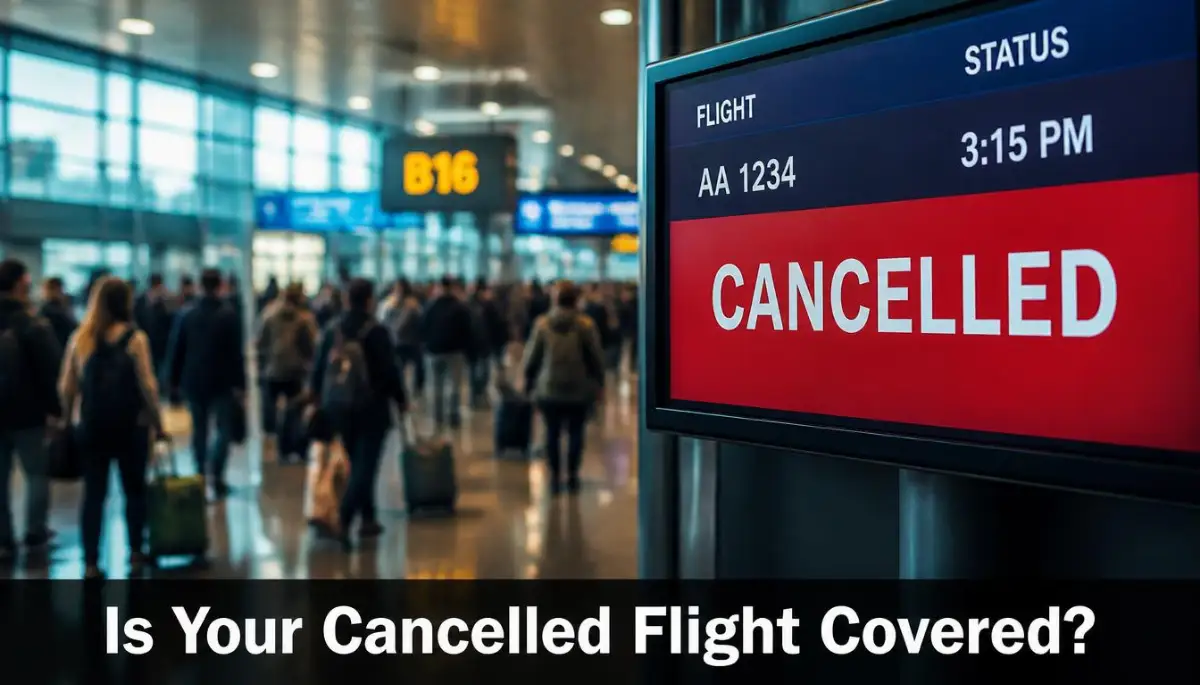
Decoding Your Travel Insurance: What Stays Protected?
Most people buy insurance but never actually read the fine print. They just click a box and hope for the best. This is a big mistake.
You need to know exactly what you are paying for so you can use it when you need it. Let’s break down the most important parts of a standard policy in a way that is easy to understand.
Medical Emergencies and Hospital Stays
This is the most significant part of any policy. If you get sick or hurt while in another country, your regular health insurance usually won't help.
Hospital bills in places like the USA or Europe can be thousands of dollars a day. Good travel insurance covers your doctor visits, medicine, and hospital room.
But it goes deeper than just a hospital bed. It also covers Emergency Evacuation. This means if you are on a remote island and need a helicopter to get to a real hospital, the insurance pays for it.
Without this, you could be looking at a bill of $50,000 or more. Always check the limit for medical coverage in your policy.
The Truth About Trip Cancellations
Life is unpredictable. Sometimes you have to cancel your trip because of a family emergency, a job loss, or a natural disaster.
Trip cancellation coverage helps you get back the money you spent on non-refundable bookings. This includes your flights and your hotels.
However, you cannot just cancel because you "don't feel like going." There must be a valid reason listed in your policy.
Valid reasons usually include sudden illness, injury, or a death in the immediate family. Some policies also cover you if you are called for jury duty or if your home becomes uninhabitable.
Protecting Your Personal Belongings
Losing a suitcase is a classic travel nightmare. You arrive in Paris, but your clothes and camera are still in New York.
Travel insurance usually covers baggage loss or theft. If the airline loses your bag, the insurance company will pay you for the value of the items.
There is also something called baggage delay coverage. If your bag is late by more than 12 hours, the insurance might give you money to buy basic things.
This includes items like a toothbrush, fresh clothes, and basic toiletries. Keep all your receipts if this happens to you.
Coverage for Trip Interruptions
This is different from cancellation. Interruption happens when you are already on your trip and have to go home early.
Maybe a storm hits your destination and the government tells everyone to leave. Or maybe you get news of an emergency at home.
The insurance will pay for your last-minute flight home. It will also refund the part of the trip you did not get to finish.
Flight Delay Benefits
We have all been stuck at an airport at 2 AM. If your flight is delayed for a long time (usually over 6-12 hours), your policy can help.
It may pay for a hotel room so you don't have to sleep on a plastic chair. It might also cover your meals during the wait.
Pro Tip: Always get a written statement from the airline explaining why the flight was delayed. You will need this to make a claim.
Common Myths About Travel Insurance
There is a lot of wrong information out there. Let's look at some things people get wrong so you don't get caught in a trap.
Myth 1: "Everything is Covered"
This is never true. Every policy has exclusions. For example, if you get hurt while doing a dangerous sport like skydiving, a basic policy will not pay.
If you plan to do "extreme" activities, you need to buy a special Adventure Sports add-on. Don't assume you are safe just because you have a basic paper.
Myth 2: "Pre-existing Conditions Don't Matter"
If you already have a heart problem or diabetes, you must tell the insurance company. If you don't, and you get sick on the trip, they might refuse to pay.
Many companies offer a "Pre-existing Condition Waiver." You usually have to buy this within a few days of making your first trip payment.
Myth 3: "I'm Covered by My Credit Card"
Some credit cards do offer travel protection. But it is often very limited.
It might cover baggage loss but not medical emergencies. Or the limits might be very low. Always compare your card's benefits with a real insurance policy.
How to Choose the Right Policy for You
Don't just buy the cheapest option. The cheapest plan usually has the most "hidden" rules that stop you from getting paid.
Look at your destination first. If you are going to a country with high medical costs, get a plan with high medical limits.
Think about your activities. Are you going to sit on a beach or climb a mountain? Match your policy to your lifestyle.
Check the "Deductible." This is the amount of money you pay before the insurance kicks in. A lower deductible is usually better, even if the policy costs a little more.
What to Do if You Need to Make a Claim
If something goes wrong, you need to act fast. The more evidence you have, the easier it is to get your money back.
Step 1: Contact the 24/7 Assistance Line. Every good insurance company has an emergency number. Call them immediately. They can help you find a doctor or talk to the hospital.
Step 2: Collect Every Document. If you go to a doctor, get a medical report. If you lose a bag, get a report from the airline. Keep every single receipt for food, hotels, and transport.
Step 3: File the Claim Early. Don't wait until you get home and forget the details. Most companies have an app or a website where you can start the claim process right away.
Step 4: Be Honest. Never lie on an insurance claim. They investigate these things very carefully. If they catch a lie, they will reject the whole claim and you get nothing.
Final Thoughts for Your Next Journey
Travel is about exploring the world and making memories. It is not about worrying about "what if" scenarios.
Having a solid insurance policy is like having a quiet friend who has your back. You hope you never need them, but you are so glad they are there when things get messy.
Take the time to read your policy before you fly. Know your rights and know what is covered. It makes the difference between a minor hiccup and a life-changing disaster.
By being a smart tourist, you protect not just your money, but your happiness and health. Safe travels!
Hidden Strategies to Maximize Your Policy Protection
Buying a basic plan is just the start of your journey. To truly protect your money, you need to understand the "pro-level" features that many travelers overlook.
One of the most powerful tools you can have is the Cancel for Any Reason (CFAR) upgrade. Most standard plans only let you cancel for specific reasons like sickness or death.
With CFAR, you gain the power to walk away from your trip for any reason at all. Maybe you just changed your mind or feel nervous about traveling.
This upgrade usually costs about 40% to 50% more than a standard plan. However, it can save you from a total financial loss if your situation changes unexpectedly.
The Secret of the Look-Back Period
When you file a claim for a medical issue, insurance companies look at your past. They use something called a Look-Back Period.
This is usually a window of 60 to 180 days before you bought the policy. They check if you saw a doctor or changed medications during this time.
If you had a "new" symptom during this window, they might call it a pre-existing condition. This means they could refuse to pay your hospital bills.
To avoid this, look for a policy that offers a Pre-existing Condition Waiver. You must usually buy the plan within 14 days of your first trip deposit to get this.
It acts like a protective shield for your health history. It ensures the company cannot use your past against you when you need help the most.
Primary vs. Secondary Coverage: Why It Matters
Not all medical coverage is the same. You should always look for a policy that offers Primary Coverage.
Primary coverage pays your medical bills first. It does not care if you have insurance at home.
Secondary coverage is different. It asks you to file a claim with your home insurance company first.
This creates a mountain of extra paperwork and long delays. If you are facing a major financial disaster because of a hospital bill, you want the money fast.
Primary coverage is the faster, cleaner way to get your bills paid. It keeps your travel stress low and your bank account safe.
The Power of the Assistance Hotline
Many tourists forget they have a 24/7 lifeline in their pocket. Your insurance company provides a specialized assistance team.
These people are not just there to talk about money. They can help you find a local doctor who speaks your language.
They can track down lost bags or help you replace a stolen passport. If you are in a scary situation, call them before you do anything else.
They can even arrange for a "bedside companion." This means if you are stuck in a hospital alone, the insurance pays to fly a family member to be with you.
This type of support is what separates a good policy from a great one. It provides emotional safety, not just financial safety.
Managing High-Value Items
Standard policies often have a "per-item" limit for baggage. This might be $250 or $500.
If you are carrying a $2,000 laptop or a professional camera, this is not enough. You might need to add a "Scheduled Item" rider to your plan.
This lists your expensive gear specifically. It ensures you get the full value back if the item is stolen.
Always take photos of your high-value items before you pack them. This serves as digital proof of what you own.
Having clear documentation is just as important as blockchain technology security when it comes to protecting your assets. It leaves no room for the insurance company to argue about your claim.
Fatal Errors That Can Destroy Your Insurance Claim
Even with a great policy, a single mistake can lead to a rejected claim. Knowing these pitfalls is the only way to stay safe.
The biggest mistake people make is drinking and getting hurt. Almost every travel policy has an "alcohol exclusion."
If you have an accident while you are intoxicated, the company will not pay a single cent. It does not matter if someone else hit you.
If the medical report shows alcohol in your system, you are on your own. This can lead to bills that force you to reconsider buying a home vs renting because your savings are gone.
Enjoy your vacation, but stay smart. Your physical and financial health depends on your decisions.
The Disaster of Unlicensed Activities
Are you planning to rent a scooter in Southeast Asia? Check your license first.
If you do not have a valid motorcycle license in your home country, you are not covered. Most tourists assume their car license is enough.
It is not. If you crash that scooter, the insurance company will check your paperwork immediately.
If you are "unlicensed" for that specific vehicle, they will deny your medical claim. This is a very common trap that leaves travelers with massive debts.
Always follow the local laws and match them with your home country's rules. Ignorance is never a valid excuse in the eyes of an insurance adjuster.
Missing the "Incident Report" Window
If your bag is stolen or your flight is delayed, you must get a report on the spot. You cannot wait until you get home to complain.
For stolen items, you need a police report within 24 hours. For flight issues, you need a written letter from the airline.
Without these papers, your claim is just a story. Insurance companies need "third-party proof" to pay out money.
Many travelers feel too tired or stressed to deal with the police or airline staff. But skipping this step is like throwing your money away.
Relying on Mental Assumptions
Never assume you are covered for "Force Majeure" or "Acts of God." These terms are often used to describe big storms or wars.
Every policy defines these things differently. Some cover hurricanes but not civil unrest.
You must read the section on "Exclusions" very carefully. It is the most boring part of the document, but it is the most vital.
If you see something you don't understand, ask the company for a written explanation. It is better to know the truth now than to find out during a crisis.
According to international travel standards, having the right health information can save your life. The same logic applies to your insurance policy.
The Danger of Ignoring the Purchase Window
Timing is everything in the world of travel insurance. Many people wait until a week before their trip to buy a policy.
By then, it might be too late to get certain benefits. For example, if a hurricane is already named, you cannot buy insurance for it.
The best time to buy is within 10 to 14 days of making your first trip payment. This opens up all the best features like CFAR and pre-existing condition waivers.
Waiting too long limits your options and increases your risk. Be proactive to ensure you have the best possible safety net.
Your Action Plan for a Secure Adventure
Traveling should be about the joy of new experiences. It should not be a gamble with your financial future.
The goal of this guide is to move you from a "hopeful traveler" to a "protected traveler." It takes a little bit of effort, but the peace of mind is worth it.
Start by comparing at least three different plans. Look past the price and focus on the coverage limits for medical care and evacuation.
Make sure the policy matches your specific destination and the things you plan to do. A beach trip needs different protection than a skiing trip.
Your 5-Minute Safety Checklist
Before you head to the airport, take these final steps:
- Download the Policy App: Most companies have an app with your digital ID card and emergency numbers.
- Save the Emergency Number: Put the 24/7 assistance number in your phone contacts under "Emergency Insurance."
- Share the Details: Email your policy documents to a friend or family member at home.
- Print a Copy: Technology can fail. Having a paper copy of your policy and emergency contacts is a smart backup.
By doing this, you are taking control of your journey. You are ensuring that even if things go wrong, you have a plan to fix them.
The Ultimate Gift of Travel Insurance
At the end of the day, travel insurance is about freedom. It gives you the freedom to explore without fear.
It allows you to say "yes" to new adventures because you know you are safe. It protects your hard-earned savings and your family's future.
Don't let a small accident turn into a lifetime of regret. Invest in a solid policy and give yourself the gift of total peace of mind.
![The Secret to Affordable Airfare [Step-by-Step Flexible Date Guide]](https://topic36.com/storage/uploads/blogs/1787649304_the-secret-to-affordable-airfare-step-by-step-flexible-date-guide.webp)