
The Hidden Anxiety of Modern City Travel
Imagine standing at the heart of a massive train station. Around you, thousands of people move like a fast-moving river. You hear the loud screech of metal on metal. You smell the dry, metallic scent of the underground tunnels.
You look up at a giant board filled with flashing lights and foreign names. Your heart starts to race. You have two heavy bags, and you are already ten minutes late. Does this feel familiar?
For many of us, the first time we enter a major city’s transit system, it feels like a test we didn't study for. It is not just about moving from one point to another. It is about the fear of taking the wrong train and ending up miles away from your hotel.
This stress is real. It affects your mood and can ruin a perfectly good trip. We worry about looking like a tourist. We worry about the cost. Most of all, we worry about the sheer complexity of it all.
But here is a secret. These systems are built for humans. They are designed to be used by millions of people every day. If they can do it, you can too. You just need a better way to look at the map.
We have all been there. I remember standing in a station, feeling completely helpless. It felt like the city was speaking a language I couldn't understand. But once I learned the "logic" behind the lines, everything changed.
In this guide, we are going to break down those walls. We will move past the panic and give you the tools to walk into any station with your head held high. Let's turn that confusion into confidence.
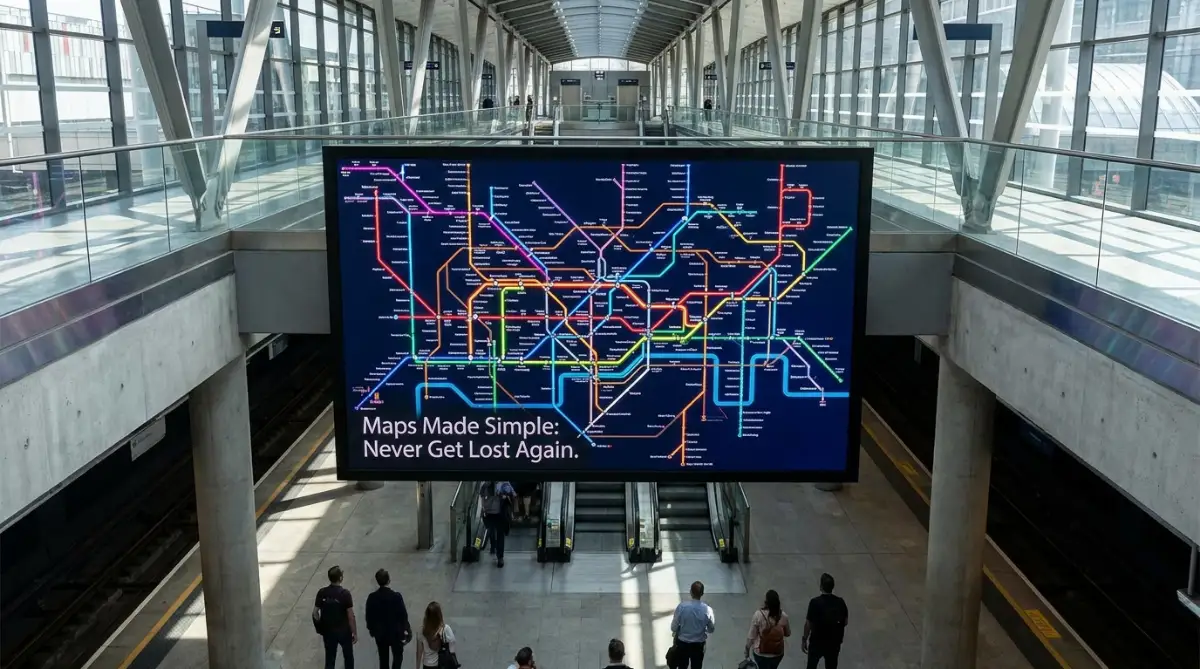
Building Your Foundation for Stress-Free Travel
The first step to mastering any big city is simple. You must understand that information is your best friend. Before you even leave your house, you should know the "logic" of the city you are visiting.
Every major city has a "heart." This is usually a central station where all the lines meet. Once you find this center, the rest of the map starts to make sense. Think of it like a spider web.
The lines that go out from the center are your lifelines. Most systems use colors or numbers to help you. Instead of memorizing every stop, just focus on the end of the line.
If you know which direction the train is heading, you can never get truly lost. Always look for the "Destination" name on the front of the train. It tells you the final stop on that specific route.
The Magic of Modern Navigation Tools
We live in an amazing time for travelers. You no longer need to carry a giant paper map that screams "I am a tourist!" Your phone is the most powerful tool in your pocket.
Download offline maps before you arrive. Many underground stations do not have good cell service. Having a map that works without data is a total game-changer for your peace of mind.
Apps like Google Maps or local transit apps are great. They don't just show you the route. They tell you exactly which platform to stand on. They even tell you which train car is the least crowded.
But don't rely 100% on technology. Batteries die and phones get dropped. Spend five minutes looking at a static map in the station. Try to visualize your journey in your head.
This mental practice builds a map in your brain. When you can "see" the route without looking at your screen, you start to feel like a local. You move faster. You feel safer.
Decoding the Mystery of Transit Tickets
Nothing causes more panic than a line of twenty people waiting behind you at a ticket machine. The buttons are confusing, and the currency might be new to you.
The Golden Rule: Go Digital. Most big cities now use "Tap and Go" systems. You can often use your own credit card or a digital wallet on your phone. This saves you from buying paper tickets every time.
If the city uses a specific smart card, buy it immediately at the airport. These cards usually offer much cheaper fares than single paper tickets. They also let you skip the long lines at the machines.
Always check if there is a "Daily Cap." In many cities, you can ride as much as you want, and the system will stop charging you after a certain amount. This is the best way to save money.
Keep your ticket until you leave the station. Many people make the mistake of throwing it away once they get on the train. In many cities, you need that same ticket to get out of the station.
Mastering Station Etiquette and Flow
Public transport has its own set of "unwritten rules." If you follow them, you blend in. If you don't, you might face some frustrated looks from locals.
The most important rule is the "Standing Side" on escalators. In almost every major city, one side is for standing and the other is for walking. Observe what others are doing for ten seconds before you step on.
When the train arrives, let people get off first. This seems simple, but in the rush, many people forget. Stand to the side of the doors to create a clear path.
Once you are inside, move toward the middle of the car. Don't stand right by the doors. This keeps the flow moving and makes the ride better for everyone.
Keep your bags in front of you. This is not just about space; it is about safety. In a crowded train, a backpack on your back is easy to reach for someone else. Keeping it in front of you gives you total control.
Dealing with the "Peak Hour" Rush
If you can avoid it, don't travel during peak hours. Usually, this is from 8:00 AM to 9:30 AM and 5:00 PM to 6:30 PM. This is when the city is at its most intense.
If you must travel during these times, be prepared for a crowd. It is okay to wait for the next train if the first one is too full. Trains in big cities usually come every two to three minutes.
Use this time to observe. Watch how people move. Notice the signs on the floor that tell you where the doors will open. These small details make you a pro.
Stay calm and patient. Everyone is trying to get somewhere. If you miss your stop, don't worry. Just get off at the next one and cross over to the other side. It is a simple fix.
Myth vs. Reality: The Truth About City Transit
Myth: "Public transport is dangerous and dirty."
Reality: Most global transit systems are very safe and well-monitored. They are the lifeblood of the city. While some stations might look old, they are often the fastest way to get around.
Myth: "It is cheaper to take a taxi."
Reality: Almost never. In cities like London, New York, or Tokyo, a taxi can cost ten times more than a subway ride. Plus, taxis get stuck in traffic while trains go right under it.
Myth: "The maps are too hard to read."
Reality: They are color-coded for a reason. If you can follow a color, you can find your way. Don't look at the whole map; only look at the one line you need.
Safety Habits for Every Commuter
Your safety is the top priority. While transit is generally safe, being "street smart" goes a long way. Always stay in well-lit areas near other people.
Trust your gut. If a train car feels uncomfortable or empty, move to another one. Most trains have an emergency button or a way to talk to the driver. Know where these are just in case.
Keep your phone and wallet in your front pockets or a zipped bag. Don't walk around with your expensive headphones on full volume. Staying aware of your surroundings is the best defense.
Check the "Last Train" time. This is a common mistake for travelers. Not all subway systems run 24 hours. Always know when the last train leaves so you don't get stranded late at night.
The Logic of Street-Level Transport
Sometimes, the bus or the tram is a better choice than the subway. Why? Because you get to see the city! Subways are fast, but they are dark tunnels.
Buses are often better for shorter trips. They also help you understand the layout of the streets. If you have the time, take a bus and sit by the window.
Most bus stops have a digital sign telling you exactly when the next bus is coming. Just like the train, you usually tap your card when you get on. In some cities, you also need to tap when you get off.
Look for "Dedicated Lanes." In many big cities, buses have their own lanes. This means they can zoom past cars stuck in traffic. It is a "hack" that many visitors don't realize.
The Psychological Win of Mastering Transit
There is a huge mental boost when you successfully navigate a complex system. You feel like you "own" the city. You are no longer a visitor; you are a participant.
This confidence spills over into other parts of your trip. You feel more comfortable exploring hidden neighborhoods. You eat at better, cheaper restaurants away from the tourist traps.
Remember, every expert was once a beginner. The person who looks like they know exactly where they are going probably got lost a dozen times before. Failure is just a part of the learning process.
Give yourself permission to make mistakes. If you end up on the wrong platform, laugh it off. It is just another part of the adventure. The city isn't going anywhere.
Expert Insight: The "Power of Two" Strategy
Whenever you are planning a route, always have two ways to get there. Maybe one is the subway and the other is a bus. Or maybe there are two different train lines.
If one line has a delay (which happens!), you won't panic. You will simply switch to your "Plan B." This one simple habit will lower your stress by 90%.
Also, try to learn the "landmark" near your station. Is there a tall building or a famous park? Using visual cues is often faster than reading street signs.
Your journey is part of the experience. Don't just focus on the destination. Look at the architecture of the stations. Watch the different types of people. The transit system is the heartbeat of the metropolis.
By following these simple steps, you are well on your way to becoming a global transit expert. In the next part, we will dive even deeper into specific city hacks and advanced saving tips.
The Art of Mastering the Exit Strategy
Once you know the basic colors and lines, it is time to act like a true city dweller. The biggest secret to saving time in a massive station isn't the speed of the train. It is knowing exactly where to stand on the platform before the train even arrives.
In cities like London, Paris, or Tokyo, stations can be like underground cities. If you get off the train at the wrong end, you might walk for ten minutes just to find the exit. Most savvy locals use apps that tell them which carriage is closest to their specific exit or transfer tunnel.
Look for markings on the platform floor. Often, there are signs that show where the doors will open. If you see a group of people clustered in one spot, they probably know something you don't. Follow their lead, but stay observant.
Using Multi-Modal Transit to Your Advantage
Sometimes, the subway is not the best way to reach your final spot. You might need to combine a train ride with a short bike share or a tram. This is what experts call "multi-modal" travel.
Many modern cities are now integrating electric options into their fleets. For example, you might see electric buses or scooters parked near the station. If you are interested in how technology is changing our travel, you might also like learning about simple habits to protect your electric vehicle battery life for your own green transport at home.
Don't be afraid to switch modes mid-trip. If you see a massive delay on the subway screen, jump out and grab a city bike. It keeps you moving and gives you a fresh view of the streets. Plus, it is often more fun than being stuck in a tunnel.
Decoding the Quiet Zones and Rush Hour Rules
Every city has a rhythm. In some places, talking loudly on a train is considered very rude. In others, it is a social hub. Reading the "vibe" of the carriage helps you stay comfortable and safe.
If you are traveling long distances on a commuter train, look for the "Quiet Carriage." These are perfect if you want to read or rest. Just remember to turn your phone on silent.
Also, watch out for "Women-Only" carriages during rush hours in certain cities. These are clearly marked with pink signs. They provide a safer space during the busiest times of the day. Keeping an eye on these details shows you respect the local culture.
The Financial Secret of the Contactless Revolution
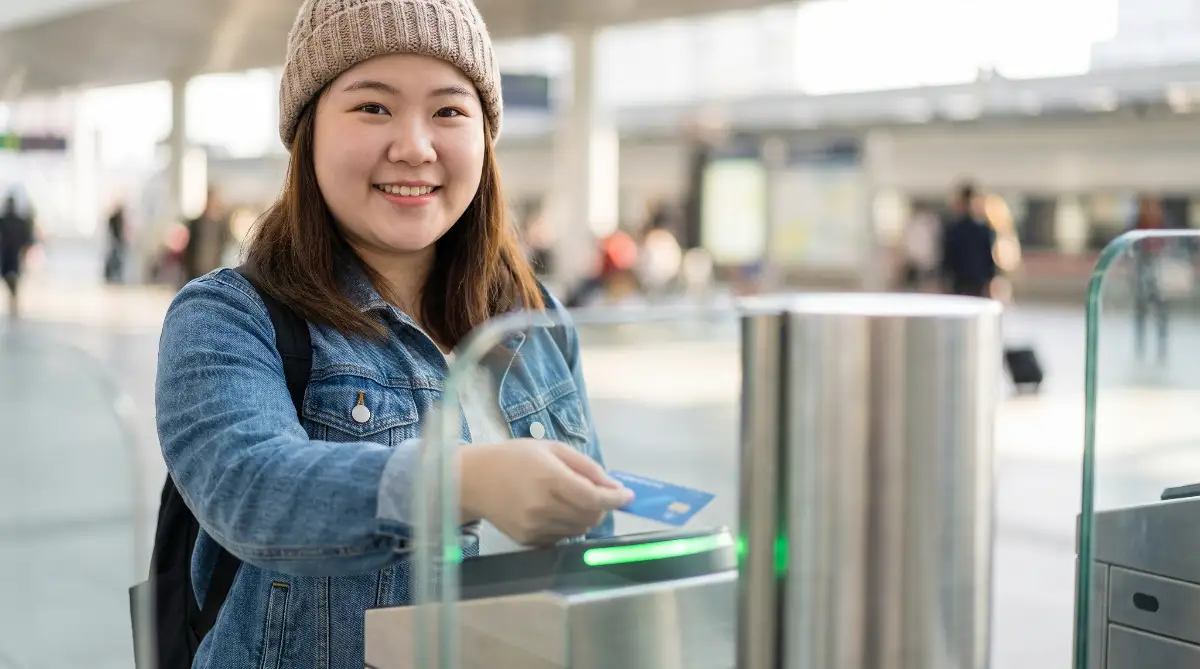
Buying paper tickets is slowly becoming a thing of the past. Most major systems now prefer "Contactless" payments. You can simply tap your phone or credit card at the gate.
This is often the cheapest way to travel. The system automatically calculates the best fare for you. It ensures you never pay more than the daily limit, no matter how many times you ride.
However, make sure your card doesn't have high foreign transaction fees. If it does, getting a local transit card is still a better move. If you are looking for ways to manage your travel budget better, understanding how to handle your finances is key, much like is buying a home smarter than renting helps you see the bigger financial picture.
The "Ghost Station" and Wrong Direction Traps
One of the most frustrating things that can happen is getting on the right train but in the wrong direction. It sounds silly, but in the heat of a busy station, it happens to everyone.
Always check the sign on the platform that lists the stops. If your stop isn't on that list, you are on the wrong side. Take a breath, walk across the bridge, and find the correct platform.
Another trap is the "Express Train." In cities like New York, some trains skip ten stops in a row. If you are going to a small local stop, an express train will zoom right past it. Always look for a diamond or a circle symbol to see if the train is local or express.
The Emotional Toll of Getting Lost
When you realize you are lost, your brain goes into "panic mode." You might feel a hot flash of embarrassment or anger. This is the moment when most people make bad decisions.
They might jump on a random bus or walk into an area that doesn't feel safe. Stop. Sit down on a station bench. Take a sip of water.
The city is a grid. You are never as lost as you feel. Being lost for twenty minutes is just a story you will tell later. It is not a disaster. If you stay calm, the solution usually appears on the next map you see.
The Danger of the "Head-Down" Habit
We see it everywhere. People walking through crowded stations with their eyes glued to their phones. This is a huge mistake for two reasons.
First, you are a prime target for pickpockets. They look for people who are not paying attention to their surroundings. Second, you miss the physical signs that are often more accurate than your GPS.
A phone might tell you to go "North," but the station sign says "Towards City Center." The physical sign is always right. Put your phone in your pocket and look up. You will navigate much faster and stay much safer.
Forgetting the "Validation" Step
In some cities, having a ticket is not enough. You must "validate" it in a small machine before you get on the bus or train. If you don't, a ticket inspector might give you a huge fine, even if you paid for the ticket.
This is a common trap in Europe. Look for small yellow or green boxes near the entrance. If you see others sticking their tickets into a machine, do the same. It saves you from an expensive and embarrassing situation.
The Over-Reliance on Modern Technology
What happens if your phone dies? Or what if the station has no Wi-Fi and your map won't load? If you don't have a backup plan, you are stuck.
Always carry a small portable charger. Better yet, learn the "Main Line" of the city. If you know that the "Red Line" always goes to your hotel area, you can find your way home even without a phone.
Many transit systems are becoming highly automated. You can learn about the technology behind these systems by looking into the real power of blockchain technology explained as it relates to smart city data. Understanding the "brains" of the city makes the whole experience feel less like magic and more like a tool you can use.
Ignoring the Local Holiday Schedule
Sunday schedules are very different from Monday schedules. This is a mistake that can make you miss a flight or a tour. On weekends and holidays, trains run much less often.
Some lines might even be closed for repairs. Always check the "Service Updates" section of the transit website the night before. It only takes a minute, but it can save your entire day.
Your Journey to Becoming a City Pro
Mastering a city’s transit system is a badge of honor. It means you have conquered the complexity of urban life. You have moved from a confused visitor to a confident explorer.
Start small. Maybe your first goal is just to take one bus to a coffee shop. Then, try a train with one transfer. Before you know it, you will be giving directions to other tourists.
The world is full of amazing places, and they are all connected by these steel tracks and rubber tires. Don't let the fear of a map keep you from seeing the beauty of a new metropolis.
A Final Word of Encouragement
You have the tools. You have the knowledge. The next time you stand in a busy station and feel that old familiar panic, just remember: you are in control.
Take a deep breath, look at the signs, and step onto the train. The city is waiting for you. There is so much to see, and now you know exactly how to get there.
Whether you are traveling for work or for fun, the way you move defines your experience. Be patient with yourself, stay curious, and enjoy the ride. Your adventure is just one stop away.
![The Secret to Affordable Airfare [Step-by-Step Flexible Date Guide]](https://topic36.com/storage/uploads/blogs/1787649304_the-secret-to-affordable-airfare-step-by-step-flexible-date-guide.webp)