
The Hidden Anxiety of Buying a Home in a Changing City
Imagine you finally saved enough money to buy your dream home. You found a quiet spot that feels just right for your family.
Then, a few months later, you hear rumors about a new highway or a massive shopping hub being built nearby. Suddenly, your heart sinks.
Will the construction noise drive you crazy? Will the extra traffic make your street feel crowded and unsafe?
Most people feel a mix of fear and confusion when the city starts changing around them. We worry that our peaceful life is about to end.
We often focus on the dust and the noise instead of the long-term wealth being built. This is the reality for many homeowners who feel stuck in a "waiting game."
You might feel like you have no control over what the government decides to build next door. It feels like a gamble where your life savings are on the line.
The struggle is real because your home is not just a building; it is your sanctuary. Seeing bulldozers down the street can feel like a direct threat to your peace of mind.
But what if this change is actually the best thing that ever happened to your bank account? Understanding the link between these projects and your home's worth can change your perspective.
Instead of feeling stressed, you could be sitting on a gold mine without even knowing it. The gap between a "good" investment and a "great" one often depends on what the city builds next.
Let’s look at why your neighborhood's transformation is more than just a temporary headache. It is the silent engine driving your financial future.
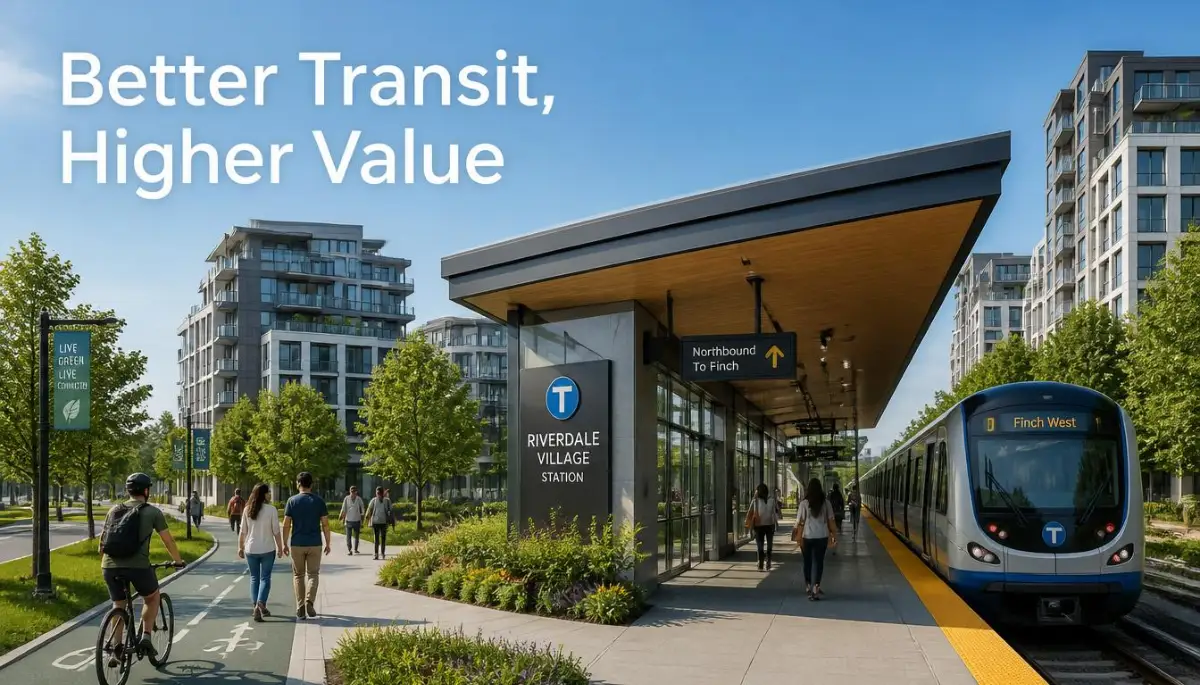
How Modern Transit Systems Act as Wealth Accelerators
One of the biggest factors in real estate is how easily people can get from point A to point B. If a new metro station or bus rapid transit line opens near you, expect your property value to jump.
Think of a new train station as a magnet for money. It draws in professionals who want a shorter commute and businesses that want to serve those people.
When people save time on the road, they are willing to pay a premium for that convenience. Accessibility is the number one driver of residential demand.
I have seen neighborhoods that were once ignored become "hot spots" overnight just because of a new bridge or highway exit. It changes the psychology of the buyer.
The Connectivity Factor in Real Estate
If your home is within walking distance of a new transit hub, you are in a high-value zone. We call this "Transit-Oriented Development."
Buyers today prioritize lifestyle over square footage. They want to spend less time in traffic and more time at home.
When the local government invests in better roads, it reduces the "distance" between your home and the city's economic heart. This makes your land much more desirable.
The Surprising Power of Green Spaces and Parks
Infrastructure isn't just about concrete and steel. Public parks, walking trails, and community gardens are "soft infrastructure" that add huge value.
A home that faces a park or is near a clean lake will always sell faster than one that faces a brick wall. People crave nature in the middle of a busy city.
Parks provide a "breathing space" for the community. They offer a place for exercise, social interaction, and relaxation.
Properties near well-maintained green spaces often see a value increase of 10% to 20% compared to similar homes further away. It is a health benefit that turns into a financial gain.
Why Quality of Life Equals Market Value
When a city builds a park, it sends a signal that the area is being cared for. It attracts families who stay for the long term.
Stable neighborhoods with high-quality public spaces have lower crime rates and better community spirit. These are the things appraisers look for when valuing a house.
If you see a new playground or a jogging track being built near you, don't just think about the kids playing there. Think about the added equity in your home.
The Role of Utilities and Smart City Upgrades
We often take things like water lines, sewage systems, and high-speed internet for granted. However, these are the backbone of property value.
A neighborhood with outdated pipes or frequent power outages will never reach its full price potential. Buyers are smart and they check these things.
When a local council upgrades the underground utilities, it might be invisible, but it is vital. It means the area can support more people and better buildings.
The Digital Infrastructure Shift
In the world we live in now, high-speed fiber optic internet is just as important as a paved road. Many people work from home and need reliable connections.
If your local area gets a "smart city" upgrade with public Wi-Fi and smart street lighting, your property becomes "future-proof." You are no longer just selling a house; you are selling a modern lifestyle.
Modern buyers look for these "hidden" benefits. A house with great digital connectivity is worth much more to a remote worker than a house without it.
Public Safety and Better Street Design
Have you ever noticed how much better a street looks when it has wide sidewalks and bright LED lights? This is called "streets cape improvement."
Better lighting and pedestrian-friendly paths naturally reduce crime. When a street feels safe to walk at night, people want to live there.
Local governments that invest in safe street designs are directly helping homeowners. It makes the entire area feel more "premium."
Creating a Sense of Place
When infrastructure is designed for people, not just cars, the neighborhood gains a unique identity. This is what real estate experts call "placemaking."
A place where people can walk to a local cafe on a safe, tree-lined sidewalk is a place where property values soar. It creates an emotional connection for the buyer.
If you see your local area becoming more walkable, you should be very excited. It is one of the strongest indicators of future price growth.
The Myth vs. Reality of Construction Impact
Many homeowners fear that long-term construction projects will kill their property value. They worry about the dust, the blocked roads, and the noise.
The reality is that construction is usually a sign of "growth pain." While the process is annoying, the end result is almost always a higher valuation.
As you can see, the "pain" is temporary, but the gain is permanent. The smartest investors buy properties in areas where construction is just starting.
They know that once the ribbon is cut and the project is finished, the price will be much higher. You are essentially getting paid for your patience.
Educational Guide: Tracking Local Projects
How can you stay ahead of the curve? You don't need to be a professional investor to track these changes.
Step 1: Monitor City Council Planning Meetings
Most local governments publish their "Master Plans" online. These documents show what the city intends to build over the next ten years.
Look for words like "zoning changes," "transport corridors," or "recreational hubs." These are your clues for future property growth.
By reading these reports, you can see where the money is flowing. Follow the money, and you will find the value.
Step 2: Pay Attention to "Permit Activity"
If you see a lot of commercial permits being issued in your area, something big is happening. New shops and offices usually follow new infrastructure.
Infrastructure creates the skeleton, and private business provides the meat. When both are moving together, your home value is on a fast track upward.
You can often find permit data on your local government website. It is public information that can give you a massive advantage.
Step 3: Analyze the "Walk Score"
There are many online tools that calculate how "walkable" an area is. If a new project is going to improve your neighborhood's score, your house is becoming more valuable.
A high walk score is directly linked to higher rental yields and resale prices. It is a simple metric that tells a big story.
We should always look at how a new bridge or path connects us to schools, grocery stores, and clinics. Convenience is a currency in real estate.
The Ripple Effect: How One Project Helps the Whole Area
Infrastructure projects rarely happen in isolation. One big project, like a new hospital or university, creates a ripple effect.
The hospital needs workers, the workers need homes, and the homes need shops. This cycle keeps pushing property values higher and higher.
Even if the project isn't on your specific street, if it is within a few miles, you will likely see a benefit. A rising tide lifts all boats.
Think about your neighborhood as part of a larger ecosystem. When the city feeds one part of the system, the whole system grows stronger.
Practical Advice for Homeowners
If you are living in an area with new development, my advice is simple: Do not sell too early.
Many people get frustrated by the construction and sell their homes just before the project is finished. They miss out on the biggest price jump.
Wait until the project is 100% complete and the public starts using it. That is when the true value is reflected in the market.
Also, keep your property well-maintained. A beautiful house in a rapidly improving neighborhood is the perfect recipe for a record-breaking sale.
The Logic Behind the Growth
Why does a road make a house worth more? It’s basic economics. Infrastructure increases the "utility" of a location.
When you increase the utility, you increase the demand. Since the amount of land is fixed, a higher demand always leads to a higher price.
Every new lamp post, every new bus stop, and every new park bench is an investment in your net worth. It is the city's way of building value for its citizens.
We should stop seeing urban development as an "interference" and start seeing it as an "upgrade" to our most valuable asset.
By staying informed and being patient, you can turn local changes into personal wealth. Your home is more than just four walls; it is a piece of a growing city.
Make sure you are looking at the big picture. The dust will settle, the noise will stop, but the new bridge or park will remain, adding value to your life and your wallet for decades to come.
Smart Strategies to Master the Neighborhood Shift
Understanding that a new road or park is coming to your area is only the first step. To truly benefit, you need to think like a seasoned investor who knows how to ride the wave of progress.
One of the best-kept secrets in real estate is the Announcement Effect. Wealth is often created the moment a major project is confirmed, even before the first shovel hits the ground.
If you wait until the project is finished, you might already be paying a higher price for other properties in that same area. Smart homeowners watch for official city press releases and act while the rest of the world is still sleeping.
You should also look into Zoning Changes that often follow new infrastructure. When a city builds a new transit line, they usually allow for higher-density housing nearby.
This means your single-family home might suddenly sit on land that can now hold a small apartment building or a townhouse complex. This change alone can double or triple the value of your land regardless of the house itself.
Many people wonder if they should keep their current home or move during these changes. If you are debating this, it is worth looking at whether is buying a home smarter than renting the real money facts in your specific local market conditions.
How to Prepare Your Property for the "New" Neighborhood
When a neighborhood gets a major upgrade, the type of person who wants to live there changes. A new high-tech office park or a luxury shopping center will attract higher-income residents.
To match this new demand, you might need to make small but targeted improvements to your home. You don't need a total overhaul, but updating your kitchen or adding modern smart-home features can make a huge difference.
Think about the Curbside Appeal of your house. If the city is putting in new sidewalks and trees, make sure your front yard looks just as polished.
You want your home to look like it belongs in the "new and improved" version of the area. This helps you stand out when it comes time to sell or refinance.
If you need funds to make these upgrades but your financial history is a bit rocky, you can learn how to rebuild your credit score after a major financial disaster to get better loan terms. Having a strong financial profile allows you to leverage the equity in your home more effectively.
The Power of Accessory Dwelling Units (ADU)
As urban density increases, many cities are making it easier to build small rental units in your backyard or basement. This is a direct result of better local infrastructure supporting more people.
Building an ADU can provide you with a steady stream of passive income. It also significantly increases the total square footage and utility of your property.
I have seen homeowners pay off their entire mortgage just by renting out a small cottage they built after the city upgraded the local sewage and power lines. It is a way to turn a piece of land into a mini-business.
According to research by the Urban Land Institute, properties that offer flexible living arrangements see much higher demand in growing urban centers. This flexibility is a shield against market shifts.
Staying Ahead of the Planning Curve
You should become a regular visitor to your local planning department's website. They often have maps showing where future bicycle lanes and pedestrian bridges will go.
Properties that sit on these "active transport" routes are becoming the new gold standard. As more people move away from cars, being on a bike-friendly street adds a premium to your home.
Don't just look at the big projects; look at the small ones too. A new library or a renovated community center can be just as powerful for property values as a new train station.
These amenities create a "sticky" neighborhood where people want to stay for a long time. High retention rates among residents always lead to stable and rising home prices.

Avoiding the Traps That Drain Property Value
While infrastructure is generally good, not every project is a winner for every homeowner. There are specific mistakes that can turn a potential gold mine into a stressful situation.
One of the biggest mistakes is Panic Selling during the construction phase. Yes, the noise is loud, and the dust is everywhere, but this is temporary.
I have seen people sell their homes at a discount because they couldn't stand the sight of orange cones and detours. A year later, those same homes were worth much more once the beautiful new plaza was finished.
You must have the mental toughness to look past the temporary mess. If you sell during construction, you are essentially paying for the buyer's future profit.
The Danger of Ignoring "Negative Infrastructure"
Not all development is created equal. While a park or a metro station is great, a massive shipping warehouse or a high-speed highway exit right next to your bedroom window might not be.
If a project increases Noise Pollution or heavily degrades air quality, it could actually hurt your property value. You need to be able to distinguish between infrastructure that helps people and infrastructure that purely serves industrial needs.
Always check the environmental impact reports for large-scale projects. If a new road is going to bring thousands of heavy trucks through your quiet street, it might be time to rethink your long-term plan.
Over-Improving Your Home for the Area
Another common trap is spending too much money on renovations that the neighborhood can't support yet. If the local infrastructure is only just starting to improve, don't build a mansion on a street of modest bungalows.
This is known as Over-Capitalization. You want your home to be one of the best in the area, but not so expensive that nobody in that market can afford it.
Wait for the neighborhood's "ceiling price" to rise before you go all out on luxury finishes. Let the city's investment pull your property value up first.
Research from the Brooking Institution suggests that the most significant value jumps happen when a neighborhood moves from "undervalued" to "standard." Moving from "standard" to "luxury" takes much longer and requires more than just a new road.
Falling for Unverified Rumors
In every neighborhood, there are rumors about a "big mall" or a "new stadium" coming soon. Never make a financial decision based on coffee shop talk.
Verify everything through official government portals. If it isn't in the city’s budget or master plan, it isn't real yet.
Investing based on rumors is a quick way to lose money or miss better opportunities elsewhere. Be a data-driven homeowner, not a rumor-driven one.
Your Future in a Developing City
Watching your local area change can be a bit scary, but it is also one of the best ways to grow your personal wealth. You are witnessing the birth of a new economic chapter for your community.
Every time you see a new sidewalk being poured or a new tree being planted, remind yourself that your net worth is growing. These small changes add up to a much better quality of life and a much higher resale price.
The most successful homeowners are those who stay curious. They ask questions, they attend local meetings, and they stay patient during the messy parts of growth.
You have the power to turn these urban shifts into a secure financial future for your family. Whether it is through a higher sale price or a new rental income stream, the city is working for you.
Take a walk around your neighborhood today. Look for the small signs of progress that others might be ignoring.
Is there a new bus stop? Are the streetlights being upgraded to modern LEDs? These are the footprints of value coming your way.
Stay positive and stay informed. The growth of your city is not a threat; it is an invitation to prosper.
Start looking at your property not just as a place to sleep, but as a growing asset in a vibrant, changing world. The journey of urban development is long, but for those who stay the course, the rewards are life-changing.
Your home is your biggest investment, and the city is its best partner. Embrace the change, plan for the future, and enjoy the wealth that comes with a growing, healthy neighborhood.

![5 Hidden Real Estate Escrow Secrets to Know [Step-by-Step]](https://topic36.com/storage/uploads/blogs/1788794749_5-hidden-real-estate-escrow-secrets-to-know-step-by-step.webp)