
The Illusion of Easy Money: My Personal Wake-Up Call
I still remember sitting at my cluttered desk at two in the morning, staring blindly at a screen full of unsold eBook files. My eyes were burning, my back was aching, and a heavy sense of failure sat right on my chest. For months, I had spent every single weekend writing what I thought was the perfect digital product. I hit the publish button expecting my phone to light up with payment notifications while I slept. Instead, absolute silence followed, making me question if I was entirely delusional for trying to make money online.
We have all seen those flashy social media videos showing people making thousands of dollars while drinking iced coffee on a tropical beach. These online gurus make it look like you can just slap a PDF together, post a link, and watch the cash roll in automatically. They sell a dream that preys on our desire for financial freedom and a stress-free life. But for the average person trying to build a side income, this false expectation creates a massive amount of unnecessary mental pressure.
When you try to follow their overly simplified advice and fail, the emotional toll is incredibly heavy. You start to feel like you are not smart enough or talented enough to figure out the online world. Everyday life becomes a frustrating cycle of working your regular job, coming home exhausted, and sacrificing family time to build a digital asset that nobody seems to want.
This constant hustle slowly destroys your daily peace of mind. You find yourself constantly checking your phone for sales notifications during dinner, completely distracted from the people you love. The financial stress does not go away; it actually gets worse because you feel like you are wasting your precious time.
Instead of gaining the freedom you were promised, you end up feeling trapped in a second job that pays absolutely nothing. You watch others seemingly succeed with ease, and that comparison steals your joy. It is time to step away from the fairy tales and look at the honest, unpolished truth of digital asset creation.
Building a Digital Asset Foundation: The Honest Approach
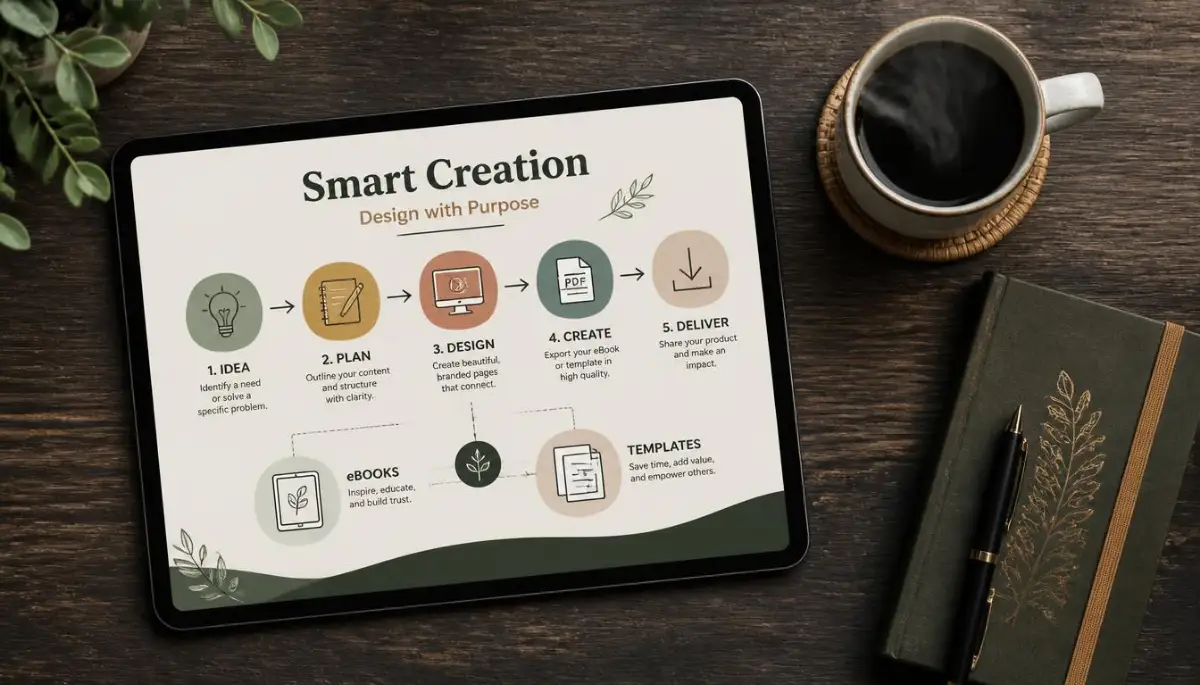
To actually succeed in the digital product space, we need to completely change how we think about passive income. It is never truly passive in the beginning; it requires highly focused, strategic upfront work. Let me walk you through the realistic, proven phases of building digital products that people actually want to buy.
Phase 1: Finding Problems Worth Solving
The biggest trap new creators fall into is creating something simply because they are passionate about it. While passion is great, it does not always pay the bills or solve a specific problem for the consumer. Your digital product must act as a direct painkiller for a highly specific frustration your target audience is facing right now.
Instead of guessing what people want, you need to follow the actual data. Go to platforms like Reddit, Quora, or specialized Facebook groups and just read the complaints. Look for phrases like "I am struggling with," "Does anyone have a template for," or "I wish there was an easier way to."
I realized this the hard way during my early days of digital marketing. My biggest mistake was creating a massive, highly detailed guide on a topic I loved, rather than offering a simple, quick-fix template that my audience was actively begging for.
When you base your product on visible, proven demand, you remove ninety percent of the risk. You are no longer hoping someone will buy; you already know they will because they are actively searching for a solution.
Phase 2: Escaping the Perfection Trap
Once you know what to build, the next massive hurdle is actually creating the product without losing your mind. Most beginners spend months agonizing over fonts, colors, and perfect formatting. They want their first eBook or Notion template to look like a million-dollar company produced it.
This perfectionism is actually just fear in disguise. You are afraid of being judged, so you delay launching by constantly tweaking minor details that your customer will never even notice. The truth is, buyers care about the result your product gives them, not the specific shade of blue you used on page four.
To beat this, you must adopt the "Minimum Viable Product" mindset. Give yourself a strict, non-negotiable deadline of one or two weeks to create the first version of your digital product. Keep the design extremely clean, simple, and focused entirely on delivering the promised value.
Want to understand exactly how perfectionism kills your progress? Watch this quick breakdown below:
The Reality Check: Active vs Passive Income
Before we move into the actual systems, let us clarify what you are actually building. Many people confuse digital product creation with freelancing. Understanding the difference is essential for your mental health.
As the table shows, digital products require a massive amount of unpaid, upfront labor. You are basically working for free for weeks or months to build an asset. But once that asset is complete, it can be sold infinitely without any extra production cost.
Phase 3: Setting Up Your Automated Delivery Machine
This is where the magic finally happens and the income actually becomes passive. You cannot manually email a PDF to every single person who buys from you. You need a reliable, fully automated system that handles the transaction and delivery while you are sleeping.
Platforms like Gumroad, Payhip, or even a simple WordPress setup with WooCommerce are excellent starting points. These tools securely process the customer's payment and instantly send them a secure download link. They handle the technical heavy lifting so you do not have to.
However, setting this up requires patience. You will need to carefully write your product descriptions, upload your files, and test the checkout process multiple times. Never skip the testing phase. Buy your own product using a testing code just to make sure the delivery email actually arrives in the inbox.
Phase 4: Understanding the Psychology of Digital Purchases
Why do people buy a digital file when there is so much free information on the internet? Understanding this human behavior is the secret to getting consistent sales. People are not paying for the information itself; they are paying for the organization, convenience, and time saved.
Think about it like this: you can find the recipe for a perfect cake for free online, but you still buy a cookbook because it is curated and trusted. Your digital product must organize chaotic information into a clear, easy-to-follow path.
When writing your sales page, do not just list the features of your eBook or template. Speak directly to the emotional relief the buyer will feel once they use it. Tell them how many hours of frustrating work your template will save them every single week.
Phase 5: The Slow Burn of Organic Traffic
You have a great product and an automated system, but now you face the hardest part: getting eyeballs on your offer. Without a massive marketing budget, you will need to rely on organic, search-driven traffic. This is where patience becomes your most valuable business skill.
Pinterest is an absolute goldmine for digital product creators. Unlike typical social media platforms where your post disappears in twenty-four hours, Pinterest acts as a visual search engine. A single helpful pin linked to your digital product can drive daily traffic for several months.
Search Engine Optimization (SEO) for your own blog or store is another powerful method. Writing highly helpful, keyword-targeted articles related to your product naturally attracts people who are looking for solutions. It takes time to rank on the first page, but once you do, that traffic is highly consistent and entirely free.
Myth vs Reality in the Digital Product Space
Let us break down a few common misunderstandings that hold beginners back.
- Myth: You need a massive social media following to make any money.
- Reality: You just need a small, highly engaged group of people who trust your advice. Micro-audiences often convert into buyers much faster than massive, generic followings.
- Myth: Every good idea has already been done.
- Reality: Yes, the topic might exist, but your unique voice, your specific framework, and your personal experience have never been shared before.
- Myth: Passive income means zero work after launching.
- Reality: You will always need to answer customer support emails, update the product when tools change, and consistently create new content to drive fresh traffic.
Building an income stream from digital products is like planting an apple tree. You have to dig the hole, plant the seed, water it daily, and protect it from bad weather for a very long time before you see a single leaf. There is absolutely nothing passive about the planting phase.
But once the roots grow deep and the tree matures, it will drop apples year after year with very little maintenance. You just have to be willing to survive the quiet, difficult months of planting. If you stay consistent, focus on solving real human problems, and ignore the fake timeline of social media gurus, you can absolutely build a profitable digital asset.Building a digital product is just the starting line of your online business journey. If you want to see consistent, long-term results, you have to shift your thinking from a simple creator to a strategic business owner. This requires a few advanced, entirely practical adjustments to your daily routine that separate the professionals from the hobbyists.
One major secret most successful creators hide is that they do not rely on finding new customers every single day. Instead, they build a tightly connected product ecosystem where one purchase naturally leads to another. Think of this like walking into a grocery store for milk and leaving with cookies and bread because they were placed perfectly on the shelf.
When you create an entry-level eBook, your next step should be offering a more detailed spreadsheet or video guide that solves the next logical problem. According to a Harvard Business Review study on customer retention, keeping an existing customer is significantly cheaper and easier than constantly hunting for new ones. You are leaving real money on the table if you abandon your buyer right after their first download.
To make this happen organically, you need to set up a friendly, automated email sequence. When someone buys your simple template, your email system should automatically send them a highly valuable follow-up message a few days later. You can casually ask how their project is going, offer some free advice, and gently suggest your advanced product at a slight discount.
The Power of Listening and Adapting
Another major factor in long-term success is actively listening to the silent feedback your buyers give you. If people keep emailing you to ask the same confusing question about your digital planner, that is not an annoyance. That is actually brilliant market research telling you exactly what to update in version two.
Professionals understand that digital products are living assets that need occasional polishing to stay relevant. You should schedule a complete product review every six months to fix broken links, update old advice, and improve the overall design. When you announce these free updates to past buyers, you instantly build a massive amount of brand loyalty.
You must also track how people interact with your online store's layout and checkout process. The Nielsen Norman Group's research on user experience clearly shows that tiny design changes can completely change buying behavior. Make sure your download buttons are huge, your instructions are simple, and your refund policy is completely transparent.
Protecting Your Most Valuable Resource
As you start earning real money, it becomes incredibly easy to lose track of your financial goals. You might suddenly feel rich and forget that this income can fluctuate widely from month to month. This is why managing your personal budget effectively is an absolute necessity for any online entrepreneur.
If you do not separate your personal spending from your new business income, you will eventually hit a wall of stress when sales slow down. Many creators use their first few months of passive revenue to randomly buy expensive software they do not need. A smarter move is to invest that money into better hosting or paying down high-interest debt, heavily contributing to true financial peace.
Let us talk about protecting your mental energy, because burnout is the silent killer of passive income dreams. You cannot work fourteen hours a day indefinitely without your body and mind eventually forcing you to stop. Setting strict boundaries around your work hours is not a luxury; it is a basic requirement for survival in the digital space.
I highly recommend creating a dedicated workspace in your home, even if it is just a tiny corner of your dining table. When you sit in that specific chair, you are in business mode, but the moment you stand up, you completely disconnect. This clear physical boundary stops your online hustle from bleeding into your family time and ruining your daily joy.

The Hidden Traps That Can Destroy Your Digital Empire
Creating digital assets comes with a very specific set of psychological traps that catch almost every beginner off guard. When you put your heart into a project, making simple logical errors can feel like a devastating personal failure. I have watched incredibly talented people completely abandon their online business simply because they hit a wall they did not see coming.
The Danger of the Single Traffic Source
Imagine building a beautiful house on land that you do not actually own. This is exactly what you are doing if you rely entirely on one platform, like an Etsy shop or a single Instagram account, to drive all your sales. If that specific platform suddenly changes its algorithm or suspends your account by mistake, your entire income vanishes overnight.
I once lost eighty percent of my monthly traffic because a search engine rolled out a massive update while I was on vacation. It was a terrifying, gut-wrenching experience that taught me never to put all my eggs in one digital basket. You must actively work to move your social media followers onto a private email list that you completely control.
Failing to Fix the Underlying Financial Mindset
Many people start selling digital downloads because they are desperate to escape a mountain of monthly bills. However, making more money online will not solve your problems if your core financial habits remain a complete mess. If you are constantly living paycheck to paycheck, a sudden burst of product sales might just lead to bigger, more expensive lifestyle choices.
You have to treat your new digital income with deep respect and strategic planning. The U.S. Small Business Administration provides excellent guidance on how to properly separate your business funds from your daily living expenses. Treat this new revenue stream as a tool to build true wealth, not just extra cash for weekend shopping sprees.
The Perfectionist Paralysis Trap
Another highly damaging mistake is hoarding your digital product on your hard drive because you think it is not quite ready yet. You convince yourself that you just need to add one more chapter or redesign the cover one more time before showing it to the world. In reality, you are just hiding from the fear of rejection and potential negative reviews.
While you are busy obsessing over tiny formatting details, someone else with a much lower-quality product is actually making sales and helping people. You have to accept that your first product will never be perfect, and that is entirely okay. Launch it, gather real feedback from actual humans, and then make improvements based on facts rather than your own anxiety.
Pricing Yourself Out of the Market (Or Too Low)
Pricing a digital product is deeply tied to human psychology and perceived value. Many beginners price their detailed, sixty-page guides at just two dollars because they are terrified of asking for real money. The problem is, when something is priced incredibly cheap, consumers naturally assume it is poorly made or completely worthless.
On the flip side, charging hundreds of dollars for a basic PDF template will immediately turn buyers away. You need to look at what similar products sell for and price yourself comfortably in the middle. Remember, an extremely cheap price often attracts the most demanding customers who will flood your inbox with endless complaints.
Ignoring the Reality of Long-Term Asset Building
A lot of beginners treat digital products like a quick lottery ticket instead of a real, physical asset. They assume that since it is a digital file, it holds no real-world weight or long-term value. But a highly profitable digital storefront is actually an appreciating asset, much like owning real estate.
In fact, understanding how to evaluate and grow an online asset shares many similarities with learning the real money facts of buying a home. Both require patience, a clear understanding of market demand, and a willingness to maintain the property over time. If you treat your eBook or course like a cheap, disposable item, your audience will treat it exactly the same way.
The Customer Support Nightmare
We often imagine passive income means completely removing ourselves from the equation, but real human beings are buying your files. Sometimes they will lose their download link, struggle to open a ZIP file, or simply misunderstand how to use your spreadsheet. If you ignore their emails because you only want "passive" money, your reputation will tank instantly.
One angry customer sharing a negative review on social media can completely destroy months of hard work and SEO momentum. To prevent this, you should create a highly detailed, extremely clear FAQ page right inside your product delivery email. Anticipating their confusion and providing instant answers saves both you and your buyer a massive amount of frustration.
Also, clearly state your working hours on your contact page so people know exactly when to expect a reply. You are not a large corporate call center, and your customers will respect your boundaries if you communicate them clearly upfront. Setting these expectations early stops the anxiety of feeling like you are always on the clock.
Your Blueprint for Sustainable Online Independence
Stepping into the world of digital product creation is one of the most rewarding challenges you can take on. It strips away the traditional rules of trading your limited hours for a fixed hourly wage. You are essentially building tiny digital machines that work tirelessly in the background while you focus on living your actual life.
Instead of trying to conquer the entire internet at once, focus purely on taking one small, intentional step every single day. Start by identifying one specific problem your target audience complains about loudly. Draft a simple, ugly first version of a solution, set up a basic automated delivery system, and then tell people about it honestly.
Adult education and self-improvement are massive industries that are only growing larger. In fact, a broad study by the Pew Research Center on digital learning highlights how adults are increasingly turning to self-guided online resources to solve everyday problems. You have a massive opportunity to provide the exact solutions they are searching for right now.
As your confidence grows, so will your product catalog and your monthly revenue. You will learn to ignore the flashy, fake screenshots on social media and focus entirely on your own quiet, steady progress. Your ultimate goal is not overnight riches; it is creating a sustainable system that slowly buys back your time and mental freedom.
If your online earnings eventually help you manage big life moves, like winning a closing cost negotiation for a new home, that is exactly what this financial freedom is for. Or maybe it just allows you to navigate the tricky process of getting pre-approved for a mortgage without the usual panic. Whatever your personal goal is, digital assets can be the quiet engine that gets you there.
My Personal Promise to You
I spent years chasing complicated business models before I finally realized that simplicity is the ultimate secret to online success. My biggest hope is that you stop doubting your own abilities and just publish that first messy digital product today. You absolutely have what it takes to build this income stream, and your future self will be incredibly grateful that you started right now.
Honest Answers to Your Biggest Digital Product Doubts
How long does it actually take to make my first sale?
There is no magic timeline, as it depends entirely on your current audience size and how well you target specific keywords. Some people make a sale on their very first day by sharing a link in a highly targeted community, while others wait a few months for SEO traffic to kick in. The secret is to stay completely consistent with your marketing and never panic during the quiet weeks.
Do I need to be a coding expert to build a digital storefront?
Absolutely not! Modern platforms have made it incredibly simple to set up a beautiful shop without writing a single line of code. Tools like Gumroad, Payhip, or basic WordPress plugins handle all the technical heavy lifting for you automatically. If you know how to upload a photo to social media, you have all the skills needed to list a digital product.
Can I sell digital products completely anonymously?
Yes, you can absolutely build a highly profitable digital brand without ever showing your face or using your real name. Many successful creators use stylized avatars, clean text-based graphics, and a dedicated business pen name to protect their privacy. People care far more about the high-quality solution you provide than knowing exactly what you look like.
What is the absolute easiest digital product for a beginner to make?
Simple printables and organizational checklists are by far the best starting point for absolute beginners. You can use free design tools to create a beautiful weekly meal planner or a daily habit tracker in just a few hours. These low-cost items have high demand, require zero technical skills, and give you a quick confidence boost when you make that first sale.
Will people steal or copy my digital files?
Unfortunately, a small percentage of people might share your files, and this is just a normal reality of doing business online. However, focusing all your energy on stopping a few bad apples will only distract you from serving your honest, paying customers. Protect your work with basic PDF stamping or passwords, but spend the majority of your time creating even better products.
Disclaimer: The information provided in this article is for educational and informational purposes only and does not constitute financial, legal, or professional business advice. Results from creating and selling digital products vary widely depending on individual effort, market conditions, and personal strategy. Always conduct your own research and consult with a certified professional before making any major financial or business decisions.

![Proven Effective Communication Strategies for Remote Clients [Step-by-Step]](https://topic36.com/storage/uploads/blogs/1787879183_proven-effective-communication-strategies-for-remote-clients-step-by-step.webp)