
The Invisible Weight of the Middleman: Why Most Beginners Feel Drowned
Imagine waking up at 2 AM to the sound of your phone buzzing repeatedly. You reach for it, blinking against the harsh light, only to see fifteen angry emails from customers you have never met. They are all asking the same thing: "Where is my package?"
This is the moment the "easy money" dream of drop shipping starts to feel like a heavy burden. You don’t have the products in your hand. You have never even seen the items your customers bought.
Suddenly, you realize you aren't just a store owner. You are a logistics manager caught between a factory thousands of miles away and a frustrated person at their front door. The mental stress of not having control can keep you awake for weeks.
It feels like you are walking on a tightrope over a pit of refund requests. One wrong move by a supplier you barely know, and your bank account starts bleeding money. This isn't just about shipping boxes; it's about the fear of losing your reputation before you even build it.
I have seen so many people quit within the first month because they couldn't handle the "black box" of operations. They thought it was all about picking pretty products and running ads. They didn't realize that the heart of the business is the movement of data and goods.
Have you ever felt that sinking feeling in your stomach when a tracking number just... stops moving? It feels like you are helpless. But the truth is, you can take control of this chaos if you understand the moving parts behind the screen.
Building a Foundation That Doesn't Crumble Under Pressure
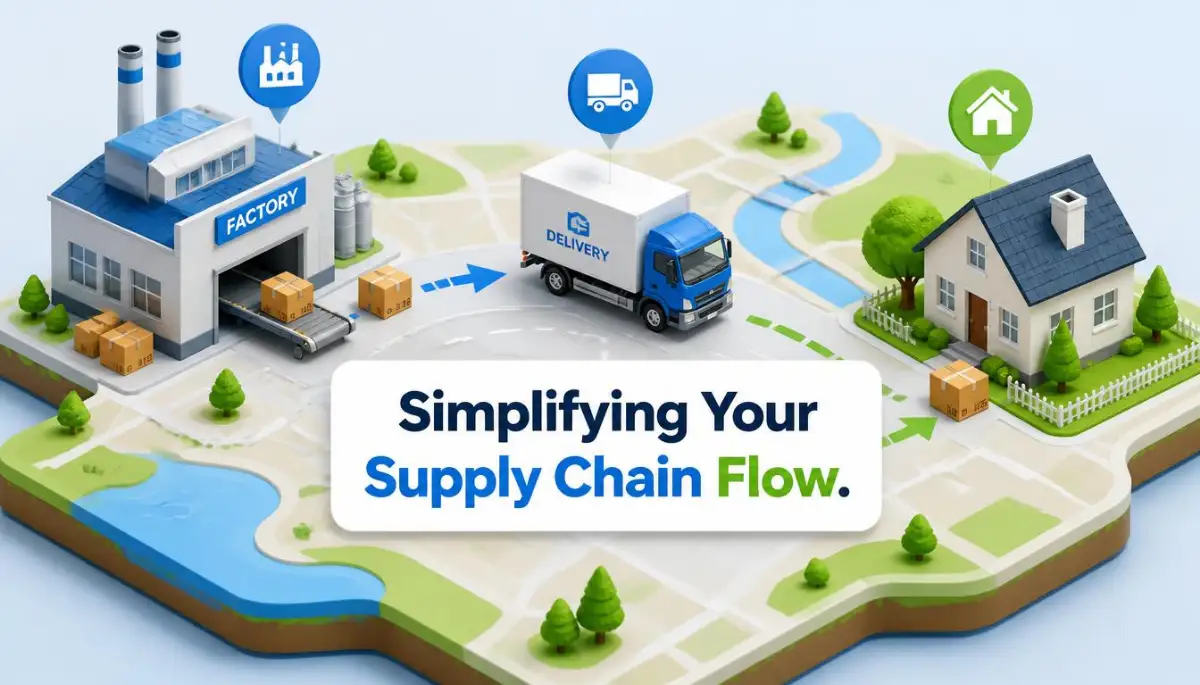
To stop the 2 AM nightmares, we have to look at how things actually move from point A to point B. It is not magic. It is a system of handshakes between different pieces of software and people.
The Art of Finding Partners, Not Just Suppliers
Most people go to a big website, find the cheapest price, and hit "start." This is the fastest way to fail. You need to treat your supplier like a business partner, not a vending machine.
When you look for a supplier, you are looking for reliability over price. A product that is two dollars cheaper but takes three weeks longer to ship will kill your business. You want to ask them hard questions before you give them a single penny.
Ask them how they handle "peak seasons" or what their daily output capacity is. If they can only ship fifty items a day and your ad goes viral, your business will collapse. You need to know they can grow with you.
Mapping the Path of an Order
Let’s talk about what happens the second a customer clicks "Buy." In a healthy setup, this information needs to move instantly. If you are manually typing in addresses, you are wasting time and creating room for mistakes.
Errors in shipping addresses are the number one cause of lost packages. You should use tools that sync your store directly with the supplier's system. This ensures that the data stays clean and the process stays fast.
Speed is the new currency in the online world. People are used to getting things quickly. Even if you can't match big corporate shipping speeds, your processing time must be lightning-fast.
Understanding the "Lead Time" Trap
There is a big difference between "Shipping Time" and "Lead Time." Most beginners forget this. Lead time is how long it takes the factory to actually put the item in a box and hand it to the driver.
If a supplier says "10-day shipping" but takes 5 days to process the order, your customer is waiting 15 days. You must clearly communicate this on your website. Honesty builds trust; hidden delays build anger.
Pro Tip: Always add two extra days to your estimated delivery time. If the package arrives early, the customer is happy. If it arrives on time, they are satisfied. Under-promise and over-deliver.
The Reality of Shipping Zones
Not all countries are created equal in the world of logistics. You might want to sell to everyone on earth, but that is a recipe for disaster. Different regions have different customs laws and tax rules.
Stick to "Tier 1" countries when you are starting. These are places with stable postal systems and predictable delivery windows. It makes your life much easier and your customer support tickets much lower.
Managing the Information Flow
Your job is to be the information bridge. When the supplier gets a tracking number, your system should automatically email the customer. You don't want them asking "Where is it?" before you have given them the answer.
Transparency is your best friend. If you know a shipping route is blocked due to bad weather, tell your customers first. People are surprisingly understanding if you talk to them like a human being.
Setting Up a Fail-Safe Return System
Returns are the part of the business no one likes to talk about. In drop shipping, a return can sometimes cost more than the product itself. You need a logical plan for when things go wrong.
Instead of having customers ship items back to a factory in another country, consider a local solution. Sometimes, it is cheaper to let the customer keep the item and send a replacement. This creates loyalty and saves you the headache of international shipping costs.
Expert Insight: Your return policy should be written in plain English. Avoid "legalese" that confuses people. If you make it easy for them to trust you, they are more likely to buy from you again, even if the first order had a small issue.
The Power of Local Warehousing
As you grow, you might want to move away from shipping everything from overseas. Many successful owners eventually move their best-selling items to a warehouse in the country where their customers live.
This is the "pro level" of dropshipping logistics. It cuts shipping time from weeks to days. It also gives you better quality control. You can't do this for every product, but for your "winners," it is a game-changer.
Keeping Your Financial Logistics Clean
Operations aren't just about boxes; they are about money. You need a dedicated way to pay your suppliers that doesn't get blocked by your bank. International payments can sometimes be flagged as fraud.
Set up a separate business account and use a payment processor that is friendly to e-commerce. If your payments to your supplier stop, your shipping stops. If your shipping stops, your business dies. Keep the money flowing as smoothly as the packages.
Watching the Data Like a Hawk
You should spend thirty minutes every day looking at your shipping data. Are packages taking longer this week? Is one specific supplier starting to slow down?
Small delays are often a warning sign of a bigger problem. If you catch it early, you can switch suppliers or pause your ads before you have hundreds of angry customers. Data is your early warning system.
By focusing on these operational details, you turn a "side hustle" into a professional machine. You move from being a stressed-out middleman to a confident business owner. The logistics are the bones of your business—keep them strong, and everything else will follow.
Mastering the Invisible Flow: Advanced Tactics for Seamless Logistics
Once you have the basics down, you need to think like a seasoned professional. Most people stop at simply listing products and hoping they arrive. If you want to build a real brand, you have to look at logistics as a competitive advantage.
One of the best ways to stay ahead is by using multi-supplier sourcing. If you rely on only one person for your best-selling product, you are at their mercy. What happens if their factory closes for a holiday or they run out of stock?
Smart store owners find at least two or three backups. This creates a safety net for your business. It also gives you more power to negotiate better shipping rates. You can tell one supplier that another is offering a faster delivery time for the same price.
Another secret is blind dropshipping. This means your supplier removes their own invoices or promotional flyers from the package. Instead, they can sometimes put your logo on the shipping label. This makes the customer feel like the package came directly from you.
When your business starts to grow, you will handle more money than ever before. If things go wrong, you might face chargebacks or refund spikes that hurt your standing with banks. Learning how to rebuild your credit score after a major financial disaster is a skill that helps you stay afloat if your business hits a rough patch.
Leveraging Technology to Automate the Boring Stuff
You should not be manually sending tracking numbers to every customer. There are tools that can auto-fulfill orders the moment they are placed. This software connects your store to the supplier's warehouse system.
When the supplier ships the item, the software grabs the tracking code and updates your store. This happens while you are sleeping. It reduces human error and keeps your customers happy because they get instant updates.
You might also consider using a third-party logistics (3PL) provider once you have a "winner" product. A 3PL holds your stock in a local warehouse. This can cut your shipping time from two weeks down to just two days.
Think of this transition like the housing market. In the beginning, you are "renting" the supplier's warehouse space. Eventually, you might want more control. You can compare this shift to the debate of whether is buying a home smarter than renting the real money facts. Buying your own inventory and storing it locally is like owning the home—it costs more upfront but gives you total control.
The Science of "Buffer Time" and Transparency
Don't just trust the shipping estimate the supplier gives you. Always test it yourself. Order your own product to your home. See how long it actually takes and what the box looks like when it arrives.
If the supplier says 12 days but it takes 16, you now know the truth. You can update your shipping page to say "15-20 days." This small change stops 90% of customer complaints before they happen.
You should also look into international trade regulations to ensure your packages don't get stuck in customs. The International Trade Administration provides helpful guides on how goods move across borders. Knowing these rules can save you from having a thousand packages seized by authorities.
Using modern tracking pages is another pro tip. Instead of sending customers to a messy third-party tracking site, use an app that keeps them on your website. This gives you another chance to show them other products they might like.

Fatal Errors That Can Tank Your Operations Overnight
Many beginners fall into the trap of "chasing the lowest price." They find a supplier who is $5 cheaper and switch immediately. But that supplier might have terrible packaging or slow response times.
A cheap price is useless if the product arrives broken. Every broken item costs you the original price plus the shipping fee plus the customer's trust. It is much better to pay a little more for a supplier who uses bubble wrap and sturdy boxes.
Another huge mistake is ignoring local holidays. If your supplier is in a country that celebrates a week-long festival, your business will stop for a week. If you don't warn your customers, they will think you have scammed them.
Always keep a "shipping calendar" for the countries you source from. This helps you plan your marketing. If you know a shipping delay is coming, you can pause your ads or change your delivery estimates on the checkout page.
The Danger of Fake Tracking Numbers
Some low-quality suppliers use "fake" tracking numbers to make it look like they shipped an item on time. They do this to meet the platform's requirements. But the package doesn't actually move for another five days.
This is a deadly mistake for your store. Customers will see that their package hasn't moved and will file a dispute with their bank. Too many disputes will cause your payment processor to shut down your account.
To avoid this, you need to work with vetted suppliers who have a high "on-time shipping" rate. You can also check the World Shipping Council for updates on global port delays. This information helps you understand if a delay is the supplier's fault or a global issue.
Forgetting the "Human Element" in Customer Support
When a package is late, most people send a robotic "we are looking into it" email. This makes people angry. Instead, be honest. Tell them exactly where the package is.
If a package is truly lost, don't argue with the customer. Refund them immediately or send a new one for free. The cost of one product is much lower than the cost of a negative review on a public site.
In the future, we might see even more transparency in how products move. Many experts believe that beyond bitcoin the real power of blockchain technology explained will eventually lead to "smart" shipping where every single step is recorded on a public ledger. This would make it impossible for suppliers to lie about shipping times.
Taking Your First Steps Toward Operational Excellence
Running a drop shipping business is about more than just selling. It is about managing expectations. If you can master the flow of goods, you have a business that can last for years.
Start by auditing your current suppliers today. Ask them for their "average processing time" for the last month. If they can't give you a clear answer, it might be time to look for a new partner.
Set up an automated tracking system this week. It will save you hours of manual work and reduce your stress. When you stop worrying about "where is the package," you can focus on growing your sales.
Remember, every giant e-commerce company started with these same logistics puzzles. They solved them by being organized and honest with their customers. You can do the same.
You have the tools and the knowledge now. Don't wait for the "perfect" moment to fix your operations. Start small, improve one thing every day, and watch your business transform from a chaotic hobby into a professional machine.
Your Action Plan for Success:
- Audit your suppliers for speed and packaging quality.
- Install an automation tool to sync tracking numbers.
- Order a sample to see the customer experience firsthand.
- Update your shipping policy to be 100% transparent.
The path to a successful online business is built on reliability. By taking control of your logistics, you are building a foundation that can support real wealth. Get started today and stay consistent.

![Proven Effective Communication Strategies for Remote Clients [Step-by-Step]](https://topic36.com/storage/uploads/blogs/1787879183_proven-effective-communication-strategies-for-remote-clients-step-by-step.webp)