
The Invisible Freelancer: Why Your Hard Work Isn't Getting Noticed
Imagine this for a moment. You have spent months, maybe even years, mastering your craft. You can code, design, or write better than most people you know. You stay up late, you finish courses, and you practice until your eyes hurt.
But when you open your email or check your job board, there is nothing. Just silence. It feels like you are shouting into a dark, empty room. You see others getting hired for thousands of dollars while you struggle to get a simple reply.
This is the reality for so many talented people today. It is a quiet kind of pain that eats away at your confidence. You start to wonder if you are actually good enough. You might even think about giving up and going back to a job that makes you miserable.
The problem isn't your skill. The problem is that the world cannot see what you can do. Without a professional portfolio, you are essentially invisible to global clients. They don't know you, and they don't have a reason to trust you yet.
I have talked to many people who feel stuck in this cycle. They send out dozens of resumes every day. They lower their prices just to get a "yes," but even that doesn't work. It is exhausting and honestly, it is heartbreaking.
Why does this happen?
- Lack of Trust: International clients are scared of hiring the wrong person. They need proof before they send their money across the ocean.
- Poor Presentation: A simple PDF resume looks old. It doesn't show your personality or your "wow" factor.
- Hidden Skills: If you don't show your best work, clients assume you don't have any.
You deserve to be rewarded for your talent. You deserve to work with clients who value your time and pay you what you are worth. But to get there, we need to change how you show yourself to the world.
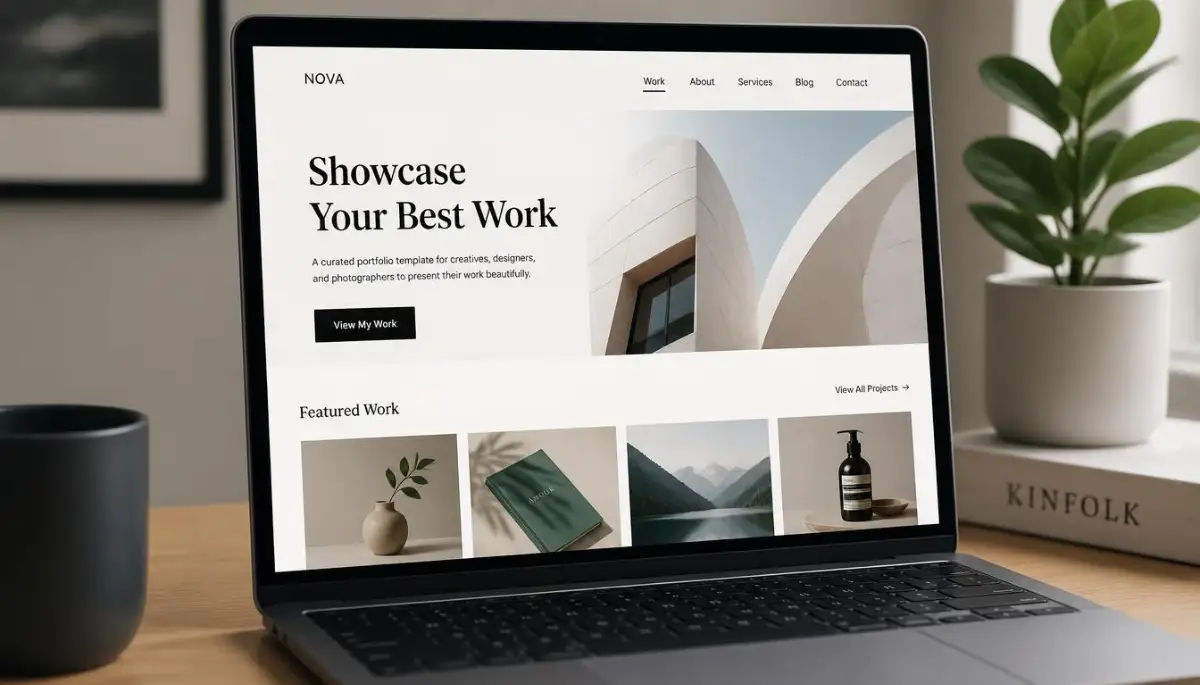
Building Your Digital Stage: Where Your Work Lives Matters
If you want to attract global clients, you need a home for your work. Think of this as your personal shop window. If the window is dirty or messy, nobody will walk inside.
You don't need to be a tech genius to build a great portfolio. You just need to choose the right place to show your skills. Your choice of platform tells the client how serious you are about your business.
Choosing the Best Home for Your Portfolio
Many people make the mistake of only using social media. While Facebook and Instagram are great for talking, they are not professional portfolios. You need something that looks stable and permanent.
1. A Personal Brand Website
Having your own website (like your name.com) is the gold standard. It shows that you are a business owner, not just a casual worker. You control everything the client sees.
2. Niche Specific Platforms
If you are a designer, you should be on Behan or Dribble. If you are a developer, GitHub is your best friend. These platforms are where global clients go when they are looking for specific talent.
3. LinkedIn as a Living Portfolio
LinkedIn is more than just a social network. It is a powerful search engine for talent. If your profile is set up correctly, it acts as a 24/7 portfolio that works while you sleep.
Selecting Your Best Work: Quality Over Quantity
I often see people putting every single thing they have ever done into their portfolio. This is a big mistake. A client will not look through fifty average projects. They will only look at three or four great ones.
You are only as good as your worst piece of work in your portfolio.
If you show ten amazing logos and one bad one, the client will remember the bad one. They will worry that you might give them that bad quality too.
How to pick what to show:
- Pick projects you want to do again: If you hate writing emails, don't put email samples in your portfolio.
- Show your range: Pick projects that show different styles or industries.
- Keep it fresh: If a project is three years old and doesn't look modern, take it out.
The Myth vs. Reality of Portfolio Size
Telling the Story of Your Success Through Case Studies
A simple screenshot of a finished project is not enough anymore. Anyone can steal an image and claim it is theirs. Global clients want to see how you think and how you solve problems.
This is where case studies come in. Instead of just showing a "before and after" picture, tell the story.
Structure your case study like this:
- The Goal: What was the client trying to achieve?
- The Problem: What was standing in their way?
- The Solution: What did you do to fix it?
- The Result: What happened after you finished? (Did they save money? Did they get more users?)
By doing this, you prove that you are a problem solver. Clients pay for solutions, not just tasks. When you explain your process, you build a huge amount of trust very quickly.
Adding Social Proof to Kill the Fear
The biggest wall between you and a global client is fear. They are afraid you will disappear with their money or do a bad job. You can break this wall down using social proof.
Social proof is simply showing that other people have trusted you and were happy.
If you have worked with clients before, ask them for a short testimonial. A three-sentence quote from a happy client is worth more than a thousand words of you talking about yourself.
What if you are a beginner?
If you don't have clients yet, don't worry. You can use "expert endorsements." Ask a teacher or a senior professional to review your work and give you a quote. Or, do a "mock project" for a famous brand and show what you could do for them.
Making It Easy for Clients to Hire You
I have seen many beautiful portfolios that have one huge problem. I couldn't find a way to contact the person! If a client has to search for your email, they will probably just leave.
Your "Contact Me" section should be the easiest thing to find.
- Use a clear Call to Action (CTA): Instead of just "Contact," use "Let's Talk About Your Project."
- Multiple ways to reach you: Provide an email, a LinkedIn link, and maybe a booking link for a short call.
- Fast response time: Mention how quickly you usually reply. This shows you are professional and ready to work.
Keeping Your Portfolio Human and Accessible
Remember, a human being is reading your portfolio. They are probably busy and stressed. Write your text like you are talking to a friend over coffee.
Avoid using big, complicated words to sound "smart." It usually just makes you sound like a robot. Use "I" and "You" to make a connection.
Pro-Tip: Use White Space
Don't crowd your pages with too much text or too many images. Give the reader's eyes a break. Lots of white space makes your work look more expensive and professional.
Mastering the Art of High-Ticket Client Attraction
Now that you have the basics of your portfolio ready, it is time to think like a top-tier expert. Global clients who pay high rates look for more than just "skills." They look for a partner who understands their business goals. To stand out in a crowded market, you need to go beyond the standard list of projects.
One powerful way to do this is by creating a niche-focused authority. Instead of saying "I am a graphic designer," try saying "I help Eco-friendly brands grow through visual storytelling." When you speak directly to a specific type of client, they feel like you are the only one who can help them. This specificity allows you to charge more because you are a specialist, not a generalist.
The Power of Video Introductions
In the world of remote work, trust is everything. A great way to build this trust is by adding a short video to your portfolio. It doesn't need to be fancy. Just a 60-second clip of you explaining who you are and how you help people. Seeing your face and hearing your voice makes you a real person in the eyes of a client. It breaks down the digital wall and makes them feel comfortable hiring you from thousands of miles away.
Using Data to Prove Your Worth
Whenever possible, use numbers. If you wrote a blog post, don't just say it was "good." Say it "increased website traffic by 40% in three months." If you designed a website, mention how it "reduced bounce rates by 15%." Numbers provide hard evidence that your work gets results. High-paying clients love data because it reduces the risk of their investment.
Sometimes, freelancers feel like they are starting from zero after a setback. If you are trying to find your footing again, you might find that rebuilding your credit score follows a similar path of patience and proof. Both require showing a track record of reliability over time.
Building a "Living" Portfolio
Your portfolio is never truly finished. It should grow as you grow. Make it a habit to update it at least once every few months. Remove older work that no longer represents your current skill level. When you constantly refresh your work, it shows clients that you are active and up-to-date with current trends.
According to research on portfolio user experience, clients often scan for your most recent work first to see if your style fits the current market. Keeping things fresh ensures you don't look like you have been out of the game for a while.
Pro-Tip: The "Client Journey" Map
Don't just show the work; show the experience of working with you. You could add a small section called "How We Will Work Together." List the steps from the first meeting to the final delivery. This removes the mystery for the client. They will know exactly what to expect, which makes the "Hire Me" button much easier to click.

Silent Killers of Freelance Success: Mistakes to Avoid
Even with great skills, small mistakes in your portfolio can send global clients running to your competitors. These errors often act as red flags that suggest a lack of professionalism. Understanding these pitfalls will save you from months of wondering why nobody is calling you back.
The "Me, Me, Me" Trap
The biggest mistake people make is writing their portfolio entirely about themselves. While it is your portfolio, the focus should actually be on the client. If your text is full of "I do this" and "I like that," you are missing the point. Instead, use "You" more often. Talk about how you can solve their problems. If a client sees that you understand their pain, they will stay on your page longer.
Ignoring the Mobile Experience
Most people build their portfolios on a laptop. However, many busy project managers check portfolios on their phones while traveling or between meetings. If your images are too large to load or your text is too small to read on a mobile screen, you lose the lead instantly. Always test your portfolio on different devices. A slow-loading site is a silent killer of opportunities.
The Ghost Town Effect
Have you ever visited a website where the latest update was years ago? It feels abandoned. If your portfolio looks like a ghost town, clients will assume you are no longer in business. Even if you are busy with work, keep a "Current Status" note or a small "Recently Completed" section. This shows that you are an active professional in high demand.
Lack of Focus and Clarity
Trying to be a "jack of all trades" often backfires. If your portfolio shows logo design, some coding, and a few poems you wrote, the client gets confused. They don't know what you are truly an expert in. Confusion leads to a "No." Be very clear about your primary service. If you have multiple skills, consider having separate sections or even separate portfolios for different types of clients.
Contracts and Safety
Working with global clients also means being smart about your business. Just like understanding personal injury claims helps people protect their rights, having clear terms in your portfolio protects your work. Mention your basic working terms or link to a FAQ page to handle common questions about payments and revisions.
Turning Your Expertise into a Global Career
Building a portfolio is more than just a technical task. It is an act of self-respect. It is you telling the world that your skills have value. When you put in the effort to present your work beautifully, you are setting the stage for a better life.
Many people start making money online because they want freedom. They want to reach a point where they can make big life decisions, like deciding between buying a home or renting. A strong portfolio is the engine that drives you toward those financial goals. It is the bridge between where you are now and the international career you dream of.
Take Action Today
Don't wait until your work is "perfect" to start your portfolio. Perfection is a wall that stops progress. Start with your best three pieces of work. Write a simple explanation for each. Choose a clean platform and put yourself out there.
Every expert you admire once had a portfolio with zero items in it. They grew because they dared to show their work and learn from the feedback. You have the talent. You have the tools. Now, all you need is the courage to show the global market what you can do.
The Future is Yours
The world is looking for people with your exact skills. By following these steps, you are making it easy for those people to find you, trust you, and hire you. Keep your tone helpful, keep your work updated, and always focus on the value you bring to others.
Your journey to global success starts with a single page. Make that page count. Whether you are a writer, a designer, a developer, or a consultant, your portfolio is your voice. Speak loudly, speak clearly, and let your work show the way.
Final Checklist for Your Success:
- Pick your top 3 projects.
- Write a short story (case study) for each.
- Add a real photo of yourself.
- Check all your links twice.
- Test the site on your phone.

![Proven Effective Communication Strategies for Remote Clients [Step-by-Step]](https://topic36.com/storage/uploads/blogs/1787879183_proven-effective-communication-strategies-for-remote-clients-step-by-step.webp)