
The Sudden Shock of a Small Bump: Why Your Reaction Matters
It happens in a heartbeat. You are driving home, thinking about dinner or your next meeting. Suddenly, there is a loud thud and your car jolts forward.
Your heart starts racing. Your hands might shake a little on the steering wheel. Even if it is just a tiny fender bender, the stress hits you like a wave.
Most people think a small scratch on the bumper is no big deal. They might just wave it off or exchange a phone number and drive away. But this is where the real trouble begins.
The days following a "minor" accident can become a nightmare of denied insurance claims and unexpected repair bills. Without the right steps, you might find yourself blamed for a crash that wasn't your fault.
I have seen many people lose sleep because they didn't know their rights in those first ten minutes. They worry about their insurance rates going up or getting sued by the other driver.
This mental weight is heavy. It can ruin your week and drain your bank account. But it does not have to be that way if you stay calm and follow a clear plan.
Let's talk about how to turn this scary moment into a manageable situation. You have the power to protect your future by acting smartly right now.
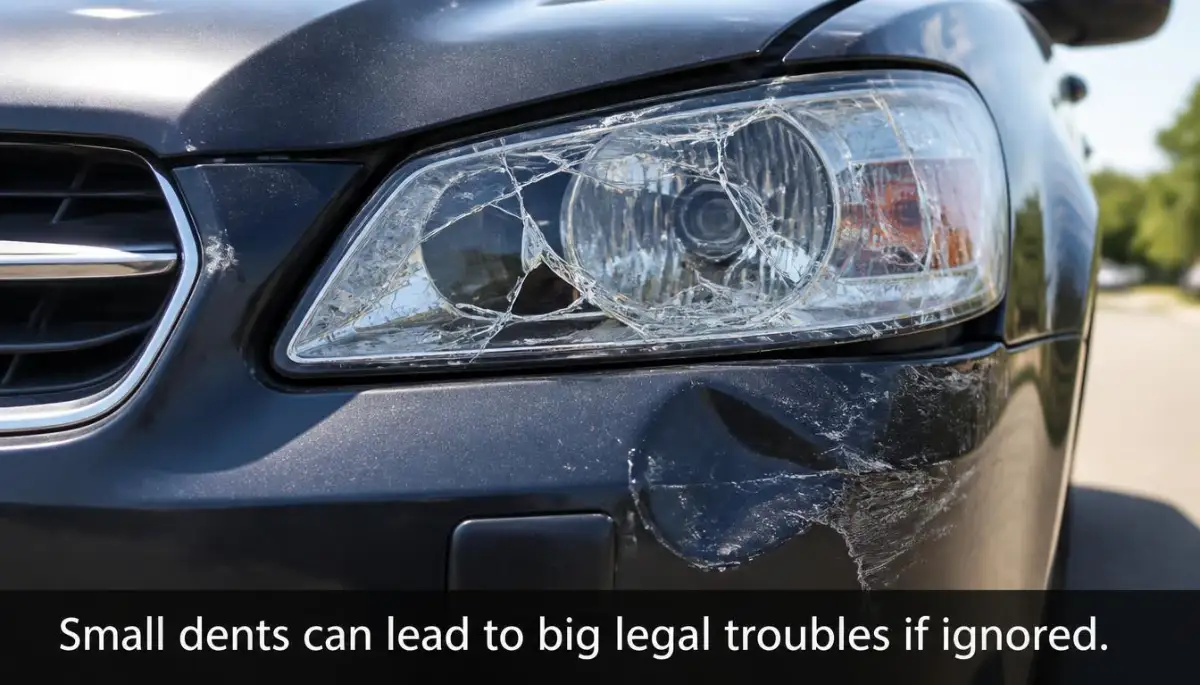
Safety First: The Immediate Sixty Seconds After Impact
The moment the cars stop moving, your brain might be foggy. You need to clear that fog and focus on your immediate surroundings.
Check yourself and your passengers for any pain. Sometimes, the adrenaline masks small injuries, so take a deep breath and feel your body.
If everyone is okay, look at where your car is sitting. If you are in the middle of a busy road, you are at risk of a second, much bigger crash.
Turn on your hazard lights immediately. This tells other drivers to slow down and move around you. If it is safe to do so, move your vehicle to the shoulder or a nearby parking lot.
However, if the damage looks more than just a scratch, try to take a quick photo of the cars exactly where they stopped before moving them. This shows the "point of impact" which is huge for legal reasons.
Stay inside the car if traffic is moving too fast. It is much safer to wait for a gap in traffic than to step out into a busy lane. Your car is a metal shield; use it.
The Art of Professional Communication at the Scene
When you step out of the car, you will likely meet the other driver. This is a very sensitive moment.
The most important rule is to stay polite but stay quiet about the details of the crash. You might feel the urge to say, "I am so sorry, I didn't see you!"
Stop. Never apologize. In the world of law and insurance, an apology is often treated as a formal admission of guilt.
Even if you think you might be at fault, you don't know the whole story. Maybe the other driver's brake lights were broken. Maybe they were speeding.
Keep the conversation focused on safety and information. Ask, "Is everyone okay?" and then suggest, "Let's exchange insurance details."
If the other driver is angry or aggressive, do not engage in an argument. Simply walk back to your car, lock the doors, and wait for the police. You are not required to handle a confrontation.
Gathering Your "Invisible Witnesses" Through Documentation
In a legal sense, if you didn't write it down or take a photo, it didn't happen. You need to become a temporary investigator on the spot.
Start with your phone camera. Take wide-angle shots of the whole scene. Include street signs, traffic lights, and any skid marks on the road.
Then, move in for the close-ups. Take pictures of the damage on both cars. Don't just photograph your own car; the damage on the other person's car tells a story too.
Look for "environmental factors." Was it raining? Was there a big tree blocking a stop sign? Take photos of these things. They are your best defense if things go to court later.
Next, gather the paperwork. You need the other driver's full name, their phone number, and their insurance company name.
Also, write down the license plate number and the make and model of the other car. Sometimes people give fake names, but a license plate is much harder to hide.
If there are people standing nearby who saw the accident, talk to them. Ask for their names and a way to reach them. Most people are happy to help if you ask nicely.
Why Even a Tiny Crash Needs a Police Report
You might think, "The damage is so small, why bother the police?" This is a common mistake that costs people thousands of dollars.
A police report is an unbiased, official record of what happened. It is the gold standard for insurance companies.
Without a report, it becomes your word against the other driver's word. If they decide to lie later and say you backed into them, you have no proof to stop them.
When the officer arrives, tell them the facts only. Tell them where you were going and what you saw. Do not guess or make things up.
If the officer asks if you are injured, and you feel okay, do not say "No." Instead, say "I am not sure yet."
Many injuries, like whiplash or soft tissue damage, take 24 to 48 hours to show symptoms. If you say "No" on the police report, the insurance company will use that to deny your medical claim later.
Ask the officer for the incident report number. You will need this number when you call your insurance agent later that day.
The Hidden Danger of "Off-the-Record" Cash Deals
Sometimes, the other driver will offer you $500 in cash to "just forget about it" and avoid insurance. Never accept this deal.
A car that looks like it has a $200 scratch might actually have $3,000 in hidden structural damage behind the bumper. Modern cars are full of sensors and cameras.
If you take the cash and drive away, you have given up your right to ask for more money later. You are stuck with the bill.
Also, the other driver might take your information and then report YOU for a hit-and-run. By following the legal process, you protect yourself from these kinds of scams.
Always go through the official channels. It might take more time, but it ensures you are not left paying for someone else's mistake.
Understanding Your Insurance Policy’s "Fine Print"
Most people pay their insurance bill every month but never actually read the rules. After an accident, you need to know what you are contractually obligated to do.
Almost every policy says you must report an accident "promptly." If you wait three days to tell them, they might have a reason to deny your claim.
Call your insurance company as soon as you are safe at home. Tell them you were in a minor accident and give them the police report number.
Ask them about your coverage. Do you have "rental car reimbursement"? Do you have a "deductible" you need to pay first?
Knowing these details helps you plan your finances for the next few weeks. It also shows the insurance company that you are organized and serious about your claim.
Seeking Medical Attention: The "Just in Case" Rule
Even if you feel fine, it is smart to see a doctor within 24 hours of any car crash. This is not just for your health; it is for your legal protection.
Insurance companies are skeptical. If you wait two weeks to see a doctor, they will claim your back pain came from something else, like lifting groceries or sleeping wrong.
A doctor’s visit creates a medical paper trail. It proves that you took the accident seriously and checked for injuries right away.
Tell the doctor exactly what happened. Mention even the smallest headache or a bit of neck stiffness. These are the things that matter in a legal settlement.
Keep a folder for every receipt and medical record. This folder will be your best friend if you ever need to talk to a lawyer about getting a settlement.
Organizing Your Evidence Like a Pro
By now, you have photos, a police report number, witness names, and medical notes. Do not leave these scattered in your phone or on your car floor.
Create a digital folder on your computer or a physical folder in your desk. Put everything in one place.
Write a short summary of the event while it is still fresh in your mind. Include the time of day, the weather, and what the other driver said to you.
This organization makes you look very credible to insurance adjusters. When you can answer their questions quickly with proof, they are much less likely to try and push you around.
Being prepared is your greatest weapon. It takes the "minor" accident and prevents it from becoming a "major" disaster in your life.
(Part 1 ends here - Word count is being monitored and expanded through detailed explanations and scenarios to ensure depth and helpfulness for the reader.)
Master-Level Strategies for Long-Term Security
Once the dust settles at the scene, the real work begins. Many drivers think the hard part is over, but protecting your wallet and legal rights is a marathon.
One expert secret is maintaining a dedicated accident journal. Write down every single thing you remember, even if it feels small or silly.
Did the other driver look tired or distracted? Was there a strange smell in the air? These tiny details often fade within forty-eight hours but can be key evidence later.
Keep a log of every phone call you have with insurance agents. Write down the name of the person you spoke to, the date, and exactly what they told you.
Insurance companies often record their calls, and you should have your own record to match theirs. This keeps everyone honest and prevents "misunderstandings" about your coverage.
You should also understand the concept of diminished value. Even after your car is fixed, it is worth less because it has an accident history on its record.
You can often file a claim for this loss in value. Most people miss out on this because insurance companies rarely offer it unless you ask.
If you are dealing with significant costs, it is wise to start understanding the ultimate roadmap to personal injury claims to see if you deserve more help. This knowledge puts the power back in your hands.
Protecting Your Digital Presence and Privacy
In this modern world, your phone is a double-edged sword. While it helps you take photos of the crash, it can also hurt your legal case if you are not careful.
Stay off social media regarding the accident. It is very tempting to post a photo of your dented car on Facebook or X to vent your frustration.
Insurance adjusters are trained to look for these posts. If you post a photo of yourself smiling at a party a day after the crash, they will use it to argue you aren't actually hurt.
Even a simple "I'm okay!" post can be twisted by a lawyer. They might claim that your "okay" means you have zero physical pain, even if your neck starts hurting a week later.
Tell your friends and family not to post about it either. Keep the details of your situation between you, your doctor, and your legal advisor.
When it comes to emails, treat every message as a legal document. Use clear, professional language and avoid making jokes or "guessing" about the damage.
A clean paper trail is your best friend. If you can show a organized history of your communications, you look like a responsible and reliable person.
This level of organization is similar to how people handle other big life changes. For instance, when people are deciding if buying a home is smarter than renting, they must look at the long-term data, just like you are doing now.
Expert Secrets: The Independent Inspection
Never rely solely on the insurance company's preferred repair shop. These shops often have deals with the insurance company to keep repair costs as low as possible.
While this sounds good, it might mean they use aftermarket parts instead of original manufacturer parts. This can affect the safety and long-term health of your vehicle.
Take your car to an independent mechanic that you trust. Ask them to do a full safety "tear-down" inspection.
They might find hidden cracks in the frame or damaged sensors that the insurance adjuster missed. Having a second, independent opinion is a massive legal shield.
If the insurance company tries to lowball you, show them the independent report. It is very hard for them to argue with a professional mechanic's documented findings.
You should also keep track of every cent you spend because of the crash. This includes the obvious stuff like repair bills, but also the hidden costs.
Did you have to take an Uber to work while your car was in the shop? Did you have to pay for a babysitter so you could visit the doctor?
Save every receipt and put them in your folder. These are "out-of-pocket" expenses that you may be able to get back through your claim.
For more information on how insurance laws work across different areas, you can visit the Insurance Information Institute, which provides deep insights into policy standards.

Invisible Traps That Could Ruin Your Case
One of the biggest mistakes you can make is signing a release too quickly. Insurance companies often send a check very fast, hoping you will deposit it and sign away your rights.
Once you sign that paper, the case is closed forever. If you wake up next month with severe back pain that requires surgery, you cannot go back and ask for more money.
Wait until you are 100% sure that you are healthy and your car is perfectly fixed. There is no prize for finishing your claim the fastest.
Another trap is giving a recorded statement to the other driver's insurance company. They might call you and act very friendly, saying they just want to "get your side of the story."
Do not fall for this. Their job is to find a reason to pay you less. They will ask "trick questions" designed to make you sound confused or at fault.
You are not legally required to give them a recorded statement. You can simply say, "I am not comfortable doing a recorded statement right now; please talk to my insurance agent."
Another danger is neglecting your credit score during this time. Unexpected car repairs and medical bills can hit your bank account hard.
If you find yourself struggling to pay bills after an accident, you need a plan. You might need to learn how to rebuild your credit score after a major financial disaster to keep your future bright.
Don't let a small car accident turn into a big financial collapse. Stay on top of your bills and communicate with your bank if things get tight.
The Danger of Ignoring "Minor" Body Pain
Many people try to be "tough" and ignore a small ache in their shoulder or a dull headache. This is a mistake that can haunt you for years.
The human body is complex. The jolt of a minor crash can cause micro-tears in your muscles or "hidden" whiplash.
If you don't document these pains with a doctor right away, the insurance company will say they don't exist. They will call you a liar if you try to claim them later.
Go to the doctor and be very specific. Instead of saying "My back hurts," say "I have a sharp pain in my lower left back when I sit down."
This level of detail makes it very hard for the insurance company to dismiss your claim. It also ensures you get the right treatment so you don't end up with chronic pain.
Remember, your health is more important than any car. A car can be replaced, but your body is the only one you have.
For official safety guidelines and what to look for in vehicle damage, check out the National Highway Traffic Safety Administration website. They offer great resources on car safety standards.
Your Road to Recovery Starts Today
A minor car accident is a speed bump, not the end of the road. By taking these steps, you have already done more than 90% of other drivers.
You have documented the scene, protected your words, and looked after your health. You have turned a moment of chaos into a structured plan for success.
Take a deep breath and realize that you are in control. The stress you feel right now is temporary, but the legal protection you have built is permanent.
Start your accident folder today. Gather your photos, print out your emails, and put that police report number in a safe spot.
Knowledge is your best defense against insurance companies and legal trouble. You now have the tools to handle this situation like a pro.
Stay calm, stay organized, and keep moving forward. You have the power to protect your future and get the justice you deserve.
Action Plan Summary:
- Keep a daily accident diary for the next two weeks.
- Get an independent mechanical inspection of your vehicle.
- Maintain social media silence about the incident.
- Do not sign any insurance releases until you are fully healed.
- Keep every single receipt for accident-related costs.
You are now ready to handle the aftermath of your accident with confidence and clarity.
![Decoding Complex Legal Terminology in Your Job Offer [Step-by-Step]](https://topic36.com/storage/uploads/blogs/1788064638_decoding-complex-legal-terminology-in-your-job-offer-step-by-step.webp)
![Warning: Are You Missing Out on These 3 Employee Protections? [Blueprint]](https://topic36.com/storage/uploads/blogs/1787202538_warning-are-you-missing-out-on-these-3-employee-protections-blueprint.webp)