The Silent Thief Hiding in My Bedroom
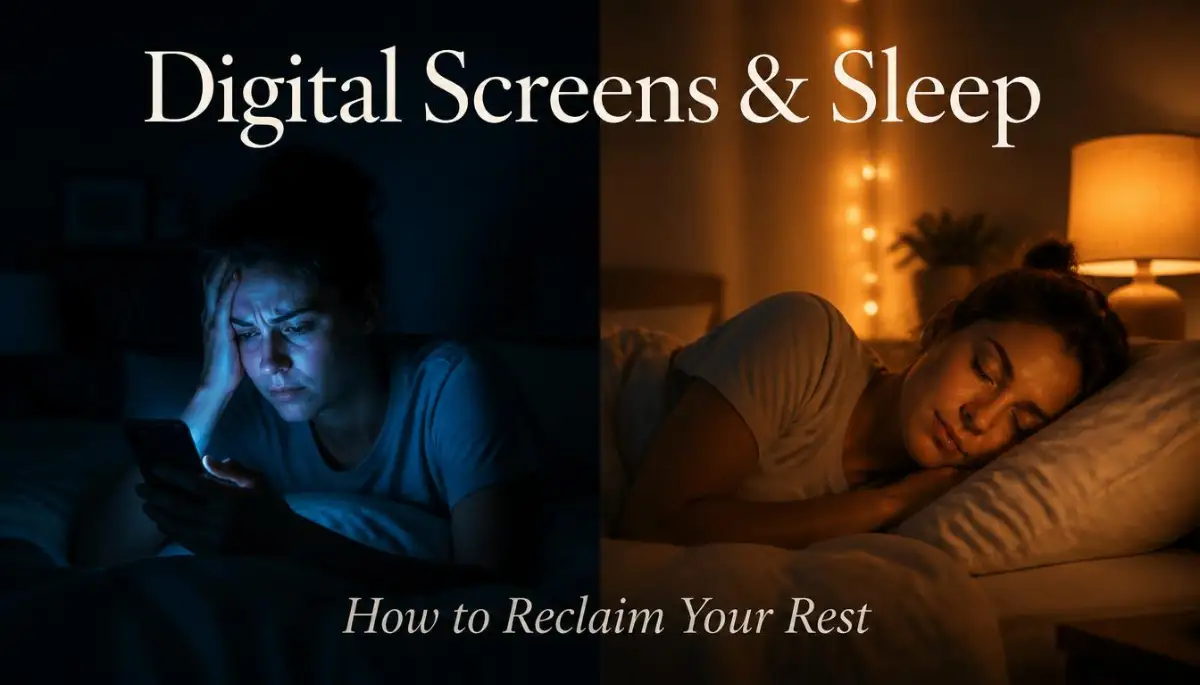
I remember staring blankly at my bedroom ceiling at 2:30 AM, feeling completely exhausted but entirely unable to shut my brain off. My eyes felt dry, my head was throbbing, and yet, my mind was racing like it was the middle of the afternoon. Just an hour before, I was endlessly scrolling through my phone, telling myself I would only watch one more short video. That "one more video" turned into an endless loop of bright flashes and sudden loud noises right inches from my face. I realized then that my innocent bedtime habit was actually stealing my rest.
We live in a time where glowing rectangles dictate exactly how we start and end our days. For a very long time, I thought my inability to rest was just a normal part of getting older or dealing with a busy life. I would wake up feeling groggy, heavily relying on three cups of strong coffee just to feel somewhat human by noon. My mood was constantly terrible, and my patience with my family was running incredibly thin.
This invisible struggle is happening in millions of homes right now. You slide into bed after a long, exhausting day of work, hoping to finally get some well-deserved peace. But instead of closing your eyes, you grab your tablet or phone to check some emails or scroll through social media. You do not even notice how that intense, artificial glare is tricking your body into staying wide awake.
The mental toll of this habit is completely overwhelming for everyday people. You spend your nights feeling "tired but wired," deeply frustrated because you know you have to wake up early for work. This daily lack of deep rest slowly chips away at your mental peace, making everyday tasks feel like giant mountains to climb. We end up getting angry at ourselves, blaming our own lack of discipline, without realizing that our devices are biologically designed to keep us hooked and awake.
When your natural rest cycle is broken, it affects absolutely everything from your memory to your physical health. You might find yourself snapping at a coworker over a small mistake, or forgetting simple things like where you placed your car keys. Your relationships suffer simply because you are running on an empty battery day after day. The tragedy is that we hold the exact cause of this suffering right in the palms of our hands.
It is time to look at this problem without any guilt or shame, and instead focus on how we can take back control of our nights. We do not have to throw our smartphones into the ocean to get a good night's rest. By understanding exactly how these displays trick our brains, we can make small, smart adjustments. Let's break down exactly what happens behind that glowing glass and how we can fix it tonight.
The Biological Trick Your Smartphone Plays on You
To truly solve this annoying problem, we have to look at how human bodies are naturally programmed to function. For thousands of years, our bodies relied entirely on the sun to tell us when to wake up and when to rest. When the sun went down and the environment grew dark, a specific chemical called melatonin would start flowing into our bloodstream. This natural chemical is basically your body's personal sleep manager, gently telling your organs and muscles that it is time to shut down.
Then came modern technology, putting a miniature sun right inside our bedrooms. The displays on our laptops, phones, and tablets emit a very specific, intense type of bright illumination that perfectly mimics morning sunlight. When you stare at your screen at midnight, those light rays travel directly through your eyes and send a massive alert to your brain. Your brain immediately thinks, "Oh, the sun is coming up, I need to stay awake and alert right now!"
Because of this fake morning signal, your brain completely stops producing melatonin. This is exactly why you can feel sleepy on the couch, but the second you open your phone in bed, you suddenly feel wide awake again. Your body is physically fighting against its own natural programming because the gadget in your hand is sending the wrong environmental signals. It is not a lack of willpower; it is basic human biology reacting to modern tech.
Myth vs. Reality: The Screen Time Illusion
There are so many confusing opinions out there about tech and rest, so let's clear up a few things right now.
- The Myth: Taking a sleeping pill will easily fix screen-induced insomnia.
- The Reality: Artificial medication might force you to fall unconscious, but it does not fix the blocked melatonin production, meaning your rest quality remains extremely poor.
- The Myth: Blue-blocking glasses are a magical shield that lets you scroll all night.
- The Reality: While these glasses help reduce eye strain, they do not block 100% of the disruptive rays, and the mental stimulation of scrolling still keeps you awake.
Understanding these facts helps us realize that we need practical, behavioral changes rather than just looking for a quick, magic fix. We must change how we interact with our digital tools before we hit the pillow.
Actionable Tech Adjustments for Better Rest
You do not need to become a tech-hating hermit to fix your nights. You just need to apply some smart, science-backed boundaries to your daily routine. Let's look at some completely realistic changes you can make right now, starting with your device settings.
Mastering the Hardware Settings on Your Devices
The very first step is to force your devices to work with your body, instead of against it. Every modern smartphone, tablet, and computer comes with built-in color temperature settings that most people simply ignore. By tweaking these exact settings, you can remove the harshest elements of the screen glare automatically.
You need to activate the "Night Shift" or "Eye Comfort" mode on your daily devices. This setting changes the bright, harsh tones of your display into a much warmer, amber-like color. You can easily set this to turn on automatically at sunset and turn off at sunrise, meaning you never even have to think about it. At first, the orange tint might look a bit strange to your eyes, but you will quickly get used to it within a few days.
If you work on a computer late at night, consider downloading dedicated screen-dimming software. These programs gradually reduce the brightness and change the color temperature as the evening progresses, mimicking a natural sunset on your monitor. By physically reducing the harsh rays, you are giving your brain a fighting chance to produce the natural chemicals you need to rest.
My own journey with screen settings completely changed how I feel in the mornings.
I used to think that turning down the brightness to 10% was enough to protect my eyes before bed. But I quickly learned that even a dim screen still emits those wake-up signals directly into the brain. I finally switched my phone to full "grayscale" mode at 9 PM, which turns everything black and white, and it made my phone so incredibly boring that I naturally wanted to put it down.
Setting the Digital Sunset Boundary
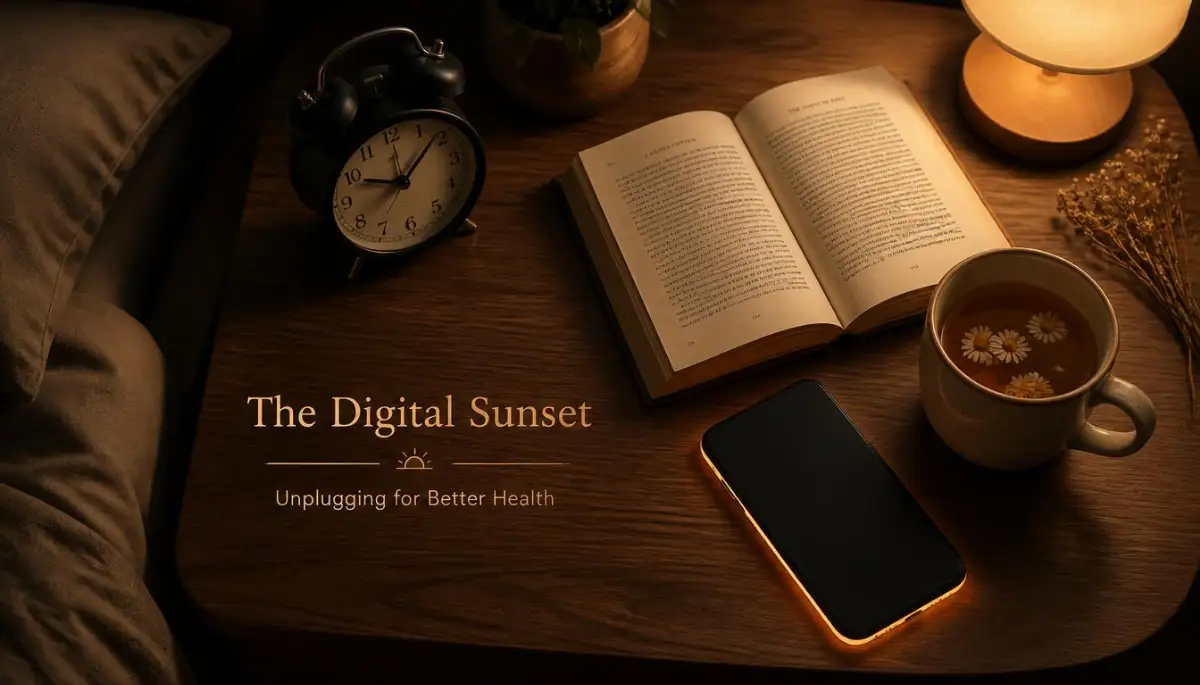
Now that your hardware is optimized, we have to talk about your daily habits. This is where the concept of the "Digital Sunset" comes in perfectly. Just as the real sun goes down, you need to set a specific time when your highly stimulating tech also powers down.
Try committing to a hard cut-off time exactly one hour before you want to fall asleep. If your goal is to be dreaming by 11:00 PM, then all heavy device usage needs to completely stop by 10:00 PM. This gives your nervous system a full 60 minutes to naturally cool down and realize that the day is actually over.
During this golden hour, replace your screen habit with a low-tech alternative that you genuinely enjoy. You could read a physical paper book, do some light stretching on the floor, or listen to a relaxing audio podcast. The key is to keep the room lighting very dim and avoid anything that requires intense mental focus or emotional reactions.
Watch This Expert Explanation Before You Change Your Routine!
If you really want to see exactly how these glowing displays mess with your brain chemistry, this incredible short breakdown will completely change how you view your phone at night.
Designing a Rest-First Bedroom Environment
Your bedroom should be a sanctuary strictly designed for resting, not a secondary office or a media entertainment center. When we bring our laptops and phones into bed, our brain starts associating the mattress with work emails, stressful news, and endless entertainment. We need to actively break that psychological connection to find peace.
Start by physically removing the charging cables from right next to your pillow. If your phone is plugged in across the room, or better yet, in the hallway, you remove the instant temptation to grab it when you feel restless. When you wake up in the middle of the night, reaching out and feeling empty space instead of smooth glass is a powerful way to break the addiction cycle.
Many people argue that they need their phone right next to their head because they use it as a morning alarm. The easiest and most effective fix for this is to simply buy a basic, old-fashioned mechanical alarm clock. For just a few dollars, you can completely remove the biggest excuse for keeping a digital distraction on your nightstand.
Comparing Normal Use vs Optimized Tech Use
Sometimes seeing the direct difference can help us understand why these changes matter so much. Let's look at exactly how a normal phone setup compares to an optimized bedtime setup.
By making these exact shifts shown in the table, you are drastically reducing the amount of stress placed on your nervous system. You are taking back the control that these tech companies designed their products to steal from you.
The Ripple Effect of Better Rest
When you finally start managing your digital exposure, the positive changes in your life will happen surprisingly fast. You will likely notice that it takes you 15 minutes to fall asleep instead of an entire agonizing hour. The quality of your rest will deepen, meaning you will not wake up feeling like you were hit by a heavy truck.
This newly found energy will bleed into every single part of your morning routine. You will find yourself needing less caffeine to function, and your mood will remain stable even when dealing with annoying daily problems. Your focus at work will sharpen because your brain actually had the time it needed to clean out the toxins overnight.
Protecting your eyes from harsh screen glare is not just about avoiding a headache; it is about protecting your overall quality of life. The next time you feel the strong urge to bring your tablet under the covers, remember how terrible it feels to stare at the ceiling at 3 AM. Make the smart choice, set your phone across the room, and let your body do what it naturally knows how to do.
Beyond the Basics: Expert-Level Habits for Lasting Deep Rest
Changing your phone settings is a fantastic first step, but managing your digital environment is an ongoing lifestyle shift. To truly transform how you feel every single morning, we have to look slightly deeper into how our daily habits interact with our technology. Real, lasting change happens when you start controlling your environment instead of letting your environment control you.
One of the biggest secrets to managing evening tech use actually starts the moment you wake up in the morning. Your brain operates on an internal 24-hour clock called a circadian rhythm. According to incredible research shared by the National Sleep Foundation on circadian biology, getting immediate exposure to natural morning sunlight helps reset your internal clock perfectly. When you blast your eyes with real sunlight early in the day, your brain naturally knows exactly when to shut down 16 hours later.
I completely changed my morning routine by stepping outside for just ten minutes with my morning coffee, leaving my phone inside the house. This tiny habit signals to my body that the day has officially started, making it so much easier to wind down naturally when evening rolls around. Think of this morning sunlight as the natural opposite of evening screen glare.
Budgeting Your Mental Energy Like a Pro
Just as you would protect your bank account by learning how to create a realistic monthly budget and crush your debt, you absolutely must budget your daily screen time. You only have a limited amount of mental energy each day. If you spend your final waking hours mindlessly consuming loud, bright, and stressful digital content, you are completely bankrupting your brain's ability to relax.
We often talk about the concept of "sleep debt," which happens when you consistently miss out on deep rest night after night. Interestingly, the National Institutes of Health explains that chronic sleep deficiency works exactly like a financial burden that compounds over time. Building up this physical exhaustion is dangerously similar to the hidden traps of unsecured borrowing—you might feel completely fine taking on the debt at first, but the heavy interest will eventually destroy your health and happiness.
To avoid this, try treating your evening hours as highly protected, premium time. Give yourself a strict "tech allowance" after dinner. Maybe you only allow yourself 30 minutes of catching up on messages before the devices go into a drawer. Setting this clear boundary gives your mind permission to finally let go of the day's stress.
The Magic of Smart Ambient Lighting
Many people successfully put their smartphones away, but they completely forget about the giant glowing lights attached to their bedroom ceilings. Normal LED house lights emit the exact same harsh, blue-tinted rays as a modern computer monitor. You can have the best digital habits in the world, but if your bedroom is lit up like a massive football stadium, your brain will remain wide awake.
You do not need to spend a fortune to fix your room's lighting. Simply swapping out the bulb in your bedside lamp for a warm, amber-colored bulb makes a massive difference. You can find these soft-glow bulbs at any local hardware store for just a few dollars. When 8:00 PM hits, turn off the bright overhead lights and switch strictly to these warm, sunset-colored lamps.
This simple environmental shift immediately changes the mood of your entire house. It signals to your family that the busy part of the day is over and the quiet time has begun. I personally love reading under a soft amber lamp; it makes the room feel incredibly cozy and safe, completely separated from the chaotic outside world.
Navigating the E-Reader Dilemma
A lot of readers ask me if switching to a digital e-reader or tablet is a good alternative to scrolling on a phone. The answer completely depends on the specific type of technology built into the screen you are holding. Standard tablets and phones use back-lit displays, meaning the bright light shoots directly out of the glass and straight into your eyeballs.
According to guidelines from the American Optometric Association on digital eye strain, this direct back-lighting is a primary cause of severe eye fatigue and dry eyes. However, dedicated e-readers usually use front-lit technology, which means tiny LEDs shine light down onto the screen, rather than into your face. This mimics the experience of reading a physical piece of paper under a small desk lamp.
If you absolutely must read digitally before hitting the pillow, always choose a front-lit e-reader with the warmth setting turned all the way up. Even better, simply visit your local library and pick up a real, physical paper book. The smell and texture of real paper provide an incredibly grounding, offline experience that no gadget can ever match.
The Sneaky Traps That Ruin Your Progress
Even when we know exactly what to do, human beings are incredibly good at making excuses and falling back into old, comfortable habits. Making a lasting lifestyle change is rarely a perfect, straight line. There are several hidden traps that can quickly ruin all your amazing progress if you are not actively watching out for them.
The most common trap is the illusion of the "weekend cheat day." We work hard Monday through Thursday, keeping our phones out of the bedroom and going to sleep on time. But when Friday night arrives, we suddenly tell ourselves that staying up until 3 AM watching a bright laptop screen is totally fine because we can just sleep in the next day.
This completely destroys your biological clock, causing a massive problem known as "social jetlag." When Monday morning comes around, your brain is entirely confused, and you feel completely miserable. Your body does not understand the concept of a weekend; it only understands light, darkness, and routine consistency.
The Dopamine Danger Zone
Another massive mistake is thinking that using a blue-light filter makes you completely immune to the negative effects of your smartphone. I used to turn my screen perfectly orange, lower the brightness, and then spend two hours reading highly aggressive political arguments on social media. I honestly wondered why my heart was beating so fast and my mind was racing when I finally tried to close my eyes.
The issue here is pure brain chemistry. The light filter might protect your melatonin, but the content you are consuming is flooding your brain with intense dopamine and adrenaline. Social media algorithms are literally engineered to trigger strong emotional reactions, keeping you endlessly engaged and highly alert.
If your brain is heavily stimulated by funny videos, angry news articles, or stressful work emails, it simply cannot shift into a resting state. This kind of intense mental stimulation can cause deep anxiety. Dealing with this nightly anxiety can sometimes feel as overwhelming as trying to figure out how to manage your personal finances after losing a job. You must separate yourself from stressful content, regardless of what color your screen is.
The Over-Tracking Obsession
We live in an era where there is a smart app or wearable gadget to track absolutely every second of our existence. Many people buy expensive smartwatches specifically to monitor how well they rest at night. While this data can be somewhat interesting, checking your sleep score the moment you wake up can actually create a brand new layer of deep anxiety.
Medical professionals have even coined a new term for this condition: orthosomnia, which is an unhealthy obsession with achieving perfect rest metrics. A fascinating Harvard Medical School article discusses how digital tracking devices often cause people to worry so much about their nightly score that the worry itself keeps them awake.
I fell into this exact trap a few months ago. I would wake up feeling completely fine and energetic, only to look at my smartwatch, which told me I had a "poor recovery" night. Instantly, my mood dropped, and I felt tired simply because a tiny computer on my wrist told me I should be. Listen to your own body and how you feel, rather than relying strictly on a digital dashboard.
Ignoring the TV in the Room
Many people proudly banish their smartphones from the bedroom but leave a massive, 65-inch flat-screen television directly across from their mattress. They fall asleep with the television playing brightly in the background, thinking the background noise is somehow helping them relax. In reality, that giant television is just an oversized digital display blasting highly disruptive flashing lights right through your closed eyelids.
Even when your eyes are completely shut, your brain can still register the sudden flashes of light coming from an action movie or a loud commercial. These random flashes constantly interrupt your deepest phases of rest, pulling you back into a lighter state of awareness. You might be unconscious for eight full hours, but you will still wake up feeling completely drained and sluggish.
If you absolutely need background noise to feel comfortable, switch to a simple fan, an audio story, or a dedicated white noise machine. Removing the television from your resting space is one of the single most powerful upgrades you can ever make for your overall well-being.
Your Personal Roadmap to Reclaiming Your Nights
Taking back control of your evening routine does not have to be an overwhelming or complicated project. You do not need to change everything all at once tonight. Start by making just one tiny adjustment today, like plugging your charger into a wall socket outside of your bedroom door. Once that feels entirely normal, you can slowly start introducing ambient lighting and setting strict digital boundaries.
Think of this journey just like preparing your long-term personal goals. Much like figuring out how to improve a low credit score before applying for a home loan, fixing your nightly habits requires small, consistent daily actions rather than one giant, overnight miracle. Every single evening you choose to read a book instead of endlessly scrolling, you are actively investing directly into your future health and happiness.
The ultimate goal here is to wake up feeling genuinely excited about the day ahead, rather than dragging yourself out of bed with a heavy headache. You deserve to experience the incredible mental clarity that comes from a truly uninterrupted, natural night of deep recovery.
I honestly know how hard it is to break the bedtime scrolling habit because I fought that exact same battle for years. But I promise you, the very first morning you wake up feeling naturally refreshed and full of energy, you will completely realize that putting the phone away was the best decision you ever made. Your peace of mind is worth so much more than any viral video or late-night social media post.
The Most Asked Questions About Screen Glare and Resting Well
Does turning down screen brightness really help you sleep?
Lowering your display brightness definitely helps reduce immediate eye strain, but it does not completely solve the biology problem. Even a very dim display emits enough artificial daylight signals to confuse your brain and delay your natural tiredness. You still need to use warm color filters and step away from the device entirely before getting into bed.
Are blue light blocking glasses actually effective?
These glasses can be incredibly helpful for people who stare at office computers all day, as they reduce physical eye fatigue and headaches. However, they do not block 100% of the disruptive rays, and they certainly cannot stop the mental over stimulation of browsing the internet. They are a helpful daily tool, but they should never replace a proper digital sunset boundary.
Can I watch TV before bed if I sit really far away?
Distance does help lessen the direct intensity of the glare hitting your eyes compared to holding a phone right in front of your nose. But a bright television still fills the entire room with rapidly changing, highly stimulating flashes. If you must watch a show, turn on the warm lighting in the room and turn the television off at least an hour before actually laying down.
How long does it take to fix my resting schedule?
If you consistently follow a strict tech-free evening routine and get natural morning sunlight, you will likely notice a massive difference in just 3 to 5 days. Your body desperately wants to return to its natural biological rhythm. Consistency is the main secret; you have to stick with the new rules even on the weekends.
Does reading on a Kindle or e-reader disrupt melatonin?
Dedicated e-readers that use soft front-lit technology are much safer for your evening routine than standard glossy tablets. The light shines gently down onto the text rather than aggressively beaming straight into your face. Just remember to turn the screen warmth up and keep the brightness as low as comfortably possible to protect your natural chemical production.
Disclaimer: The information provided in this article is for educational and informational purposes only and does not constitute medical or professional health advice. Always consult with a qualified healthcare provider or doctor regarding any chronic sleep issues, insomnia, or physical health concerns. Additionally, some links provided may be internal references for educational navigation.