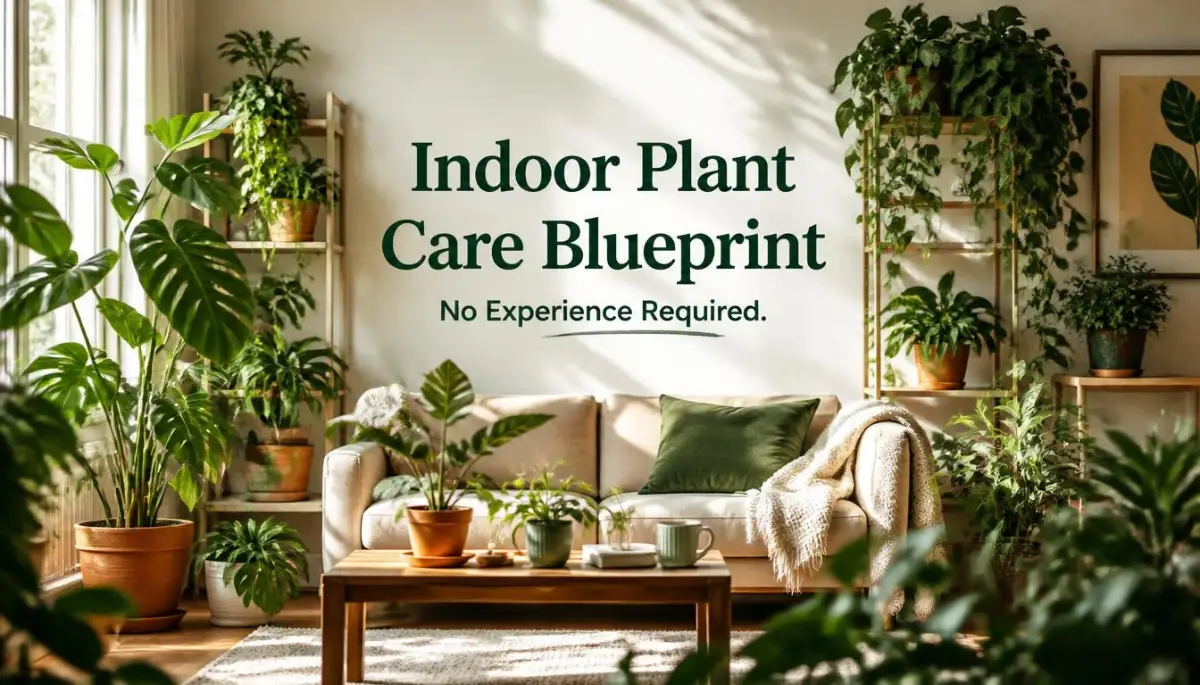
My Green Thumb Was Actually A Grim Reaper
I still remember staring at my third dead Monstera plant, feeling a deep sense of guilt. I had bought it just a month earlier, completely confident that I could turn my dull apartment into a lush, green paradise. I watered it every single day, gave it the most expensive plant food, and even wiped its leaves.
But despite all my hard work, the leaves turned a sad, mushy yellow, and the stems completely collapsed. I felt like an absolute failure. It seemed like everyone else on the internet was effortlessly growing indoor jungles, while I could not even keep a simple cactus alive.
I honestly believed I was just cursed with a "black thumb." I thought maybe my apartment was wrong, or maybe I was just missing some secret gardening talent that you are supposed to be born with.
The truth is, keeping plants inside our homes is a relatively new concept for human beings. We crave that connection to nature. We want the fresh air, the calming green colors, and the peaceful environment that plants create in our living rooms.
But when those expensive plants start dropping leaves, our peace of mind quickly turns into frustration. You spend your hard-earned money trying to create a beautiful space, only to watch your investment slowly wither away. It makes you feel anxious, stressed, and totally defeated.
The problem is not you. The problem is that most plant tags and online advice make things way too complicated. They throw around confusing scientific words and rigid schedules that do not match your actual living situation.
The Myth Of The Perfect Plant Schedule
If you search the internet for plant advice, the first thing you usually see is a strict schedule. "Water this plant every Tuesday," or "Give it exactly one cup of water every five days."
This is the biggest lie in the indoor gardening world. Plants are living things, not robots. Their needs change constantly based on the temperature in your home, how much sunlight they get that day, and how humid the air is.
If you water a plant on a strict schedule without actually looking at what it needs, you are setting yourself up for heartbreak. You need to learn how to listen to what the plant is telling you.
Once you understand a few basic rules of nature, you will realize that taking care of houseplants is surprisingly simple. You do not need a degree in biology. You just need to understand light, water, and soil. Let us break down these core elements into simple, actionable habits you can start using today.
Cracking The Code On Indoor Lighting
Light is the single most important food for your plants. Without enough light, a plant cannot create the energy it needs to grow, process water, or survive.
But "light" can be a very confusing topic. Plant tags often say things like "bright indirect light" or "low light." What does that actually mean for your specific bedroom or living room window?
Think of direct sunlight like standing outside at noon on a hot summer day without sunscreen. Direct sunlight happens when the sun's rays hit the plant leaves directly through the glass. This is usually found right next to a South-facing or West-facing window. While some desert plants love this, it will completely burn the leaves of most tropical indoor plants.
Bright indirect light is the sweet spot for almost 90% of popular houseplants. Imagine sitting under a tree on a sunny day. The area is very bright, and you can easily read a book, but the sun is not burning your skin.
You can achieve bright indirect light by placing your plants a few feet away from a sunny window. You can also put a sheer white curtain over a bright window to filter the harsh rays.
Low light does not mean no light. A dark bathroom with no windows is not a low-light environment; it is a cave. If you cannot easily read a book without turning on a lamp, it is too dark for any plant to survive. Low light usually means a North-facing window or sitting far back in a reasonably bright room.
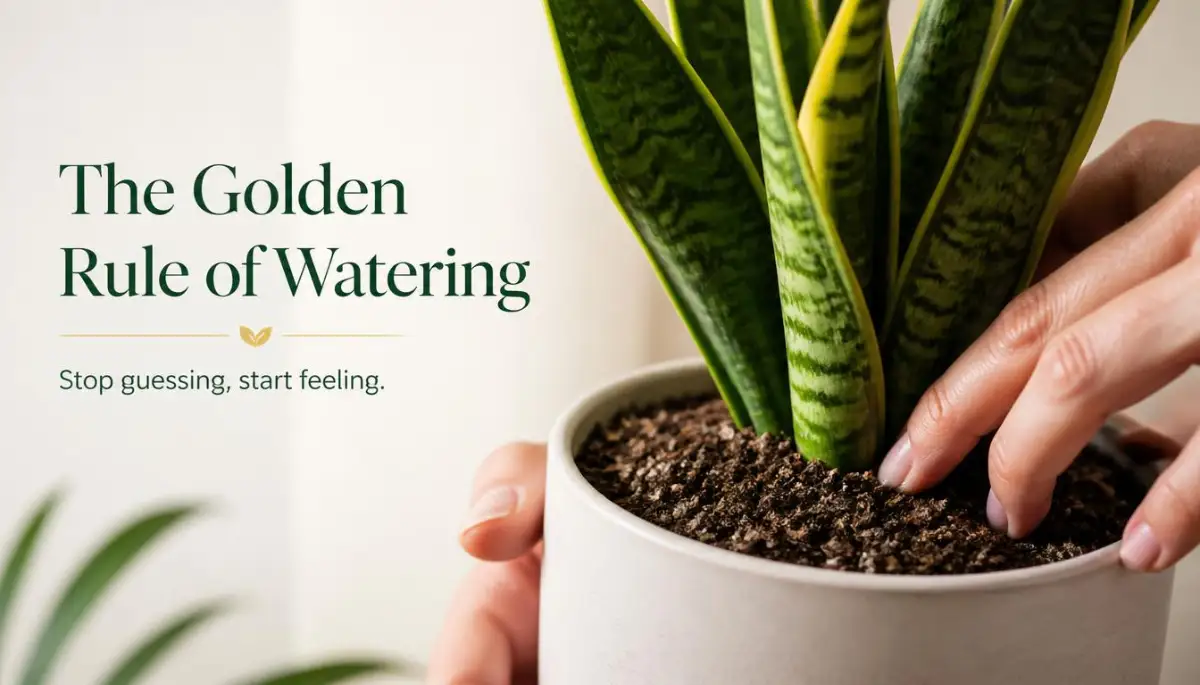
The Golden Rule Of Watering (Stop Drowning Your Plants)
More indoor plants die from over watering than from any other cause. When you give a plant too much water, the soil stays constantly wet.
This wet soil pushes out all the oxygen. Plant roots actually need to breathe air to survive. If they sit in thick, muddy soil for too long, they suffocate. This leads to a nasty condition called root rot, which slowly kills the plant from the bottom up.
So, how do you know when to water? You have to get your hands a little dirty.
Stick your index finger about two inches deep into the potting soil. If the soil feels damp, cool, or wet, do not water the plant. Walk away and check again in a few days. If the soil feels completely dry to the touch, it is time to give your plant a drink.
I used to water all my plants every Sunday morning, thinking I was being highly responsible. It took losing two beautiful Monsteras for me to realize that checking the soil with my finger was the only schedule I actually needed. Now, my plants only get a drink when they personally ask for it by having dry soil.
When you do water, do not just give it a tiny splash. Take the plant to the sink and slowly pour water over the soil until it runs out the bottom of the pot. This deep watering encourages the roots to grow downward and become strong.
Stop Scrolling and Watch This Visual Breakdown
If you are still feeling unsure about exactly how deep to check the soil or what root rot actually looks like, seeing it in action changes everything. Watch this visual guide to master the finger-test method and save your plants from accidental drowning.
The Foundation Of Life: Why Pots And Soil Matter
You can have the perfect lighting and perfect watering habits, but if your plant is in the wrong home, it will still struggle. The pot and the dirt you use act as the foundation for your plant's entire life.
Never put a plant in a pot that does not have holes at the bottom. Drainage holes are non-negotiable.
If a pot has no holes, any extra water pools at the bottom, turning the soil into a swamp. It is exactly like wearing wet socks all day long. Eventually, things are going to get mushy and gross. Always use plastic nursery pots or terracotta pots with holes. You can always place these ugly drainage pots inside a prettier decorative pot to keep your room looking stylish.
Standard potting soil from the store is usually too heavy and thick for indoor plants. It holds onto way too much moisture.
To create a great environment for your plants, you need to add some chunky materials to the soil. Buy a bag of standard potting mix and a bag of Perlite (those little white balls that look like styrofoam). Mix them together in a 70/30 ratio.
The perlite creates tiny air pockets in the dirt. This allows water to flow through quickly and gives the roots plenty of oxygen to breathe. This simple trick will drastically lower your chances of overwatering.
3 Nearly Unkillable Plants To Start Your Journey
Now that you understand the basic rules, you need the right companions. Do not start your journey with a dramatic, difficult plant. Start with these forgiving options that actually want to survive.
1. The Snake Plant (Sansevieria)
This is the ultimate beginner plant. It has tall, sword-like leaves that look incredibly modern.
The Snake plant thrives on neglect. It stores water in its thick leaves, meaning you only need to water it once every three to four weeks. It can survive in low light, bright light, and everything in between. If you forget about it while you go on vacation, it will probably look exactly the same when you get back.
2. The Pothos (Epipremnum aureum)
If you want that lush, trailing jungle look, the Pothos is your best friend. It grows fast and creates beautiful vines that you can drape over bookshelves or hang from the ceiling.
The Pothos is amazing because it clearly tells you when it is thirsty. The leaves will start to slightly droop and look a bit soft. The moment you give it a good watering, it bounces right back up within hours. It prefers bright indirect light but handles lower light very well.
3. The ZZ Plant (Zamioculcas zamiifolia)
This plant looks like it belongs in a high-end designer home. It has thick, dark green, glossy leaves that almost look fake.
Underneath the soil, the ZZ plant has potato-like bulbs that store massive amounts of water. Because of this, it rarely needs watering. Check it once a month. It also handles low-light corners better than almost any other indoor plant.
Decoding Your Plant's Secret Language
Even with the best care, your plants might occasionally show signs of stress. Instead of panicking, look at these symptoms as your plant trying to communicate with you.
When leaves turn solid yellow and feel soft or mushy, you are almost certainly giving it too much water. Check the soil immediately. If it is soaking wet, hold off on watering for a long time.
If the leaves get crispy, brown tips that break off when you touch them, the plant is usually too dry. This could mean you are waiting too long between waterings, or the air in your house is completely dry from air conditioning or heating.
If your plant is stretching out, looking extremely tall and thin with huge gaps between the leaves, it is starving for sunshine. It is physically reaching out to try and find a light source. Simply move it closer to a window.
Building A Weekly Observation Habit
You do not need to hover over your plants every day. Instead, pick one day a week to grab your morning coffee and take a five-minute walk around your home.
During this walk, just observe. Stick your finger in the soil of each pot. Look under the leaves to make sure there are no tiny webs or bugs. Wipe off any thick dust from the big leaves so they can easily absorb sunlight.
This simple weekly habit takes away all the anxiety of indoor gardening. You will start to notice patterns. You will see that the Pothos in the sunny window dries out in seven days, while the Snake plant in the corner takes a whole month to dry out.
Indoor plant care is not about achieving perfection. It is about creating a tiny piece of nature inside your living space and learning how to work alongside it.
You will probably lose a few leaves along the way. You might even lose a whole plant. That is completely normal. Every mistake is just a data point that makes you a better plant parent for the next one.
By avoiding rigid schedules, understanding your light, and giving your roots room to breathe, you are already miles ahead of most beginners. You are no longer guessing; you are reacting to what the plant actually needs.
Taking Your Indoor Jungle to the Next Level: Advanced Growth Secrets
Now that you have mastered the basic foundation of light and water, it is time to look at the bigger picture. Keeping a plant barely alive is one thing, but making it thrive and push out massive new leaves requires a little extra attention.
The biggest secret to advanced plant care is understanding where these plants actually come from. Most of our popular houseplants originate from warm, sticky, tropical rainforests. Our homes, with their central heating and air conditioning, feel like a dry desert to them.
You need to recreate a tiny piece of that tropical environment inside your living room. The most effective way to do this is by managing the humidity in your air.
Many beginners buy a cheap spray bottle and heavily mist their plants every single day. Believe it or not, this is actually a terrible idea. Constantly wet leaves in a room with poor airflow will quickly lead to nasty fungal infections.
Instead of misting, you want to create a permanent zone of moisture around the plant. You can easily do this by creating a DIY pebble tray.
Grab a shallow dish, fill it with a layer of small decorative rocks, and pour water halfway up the rocks. Place your plant pot on top of the rocks, making sure the bottom of the pot never actually touches the water. As the water slowly evaporates into the room, it creates a gentle, humid microclimate right where the leaves need it most.
For highly sensitive tropicals like Calatheas or Ferns, investing in a small digital humidifier is a game changer. If you want to dive deeper into the science of indoor plant moisture, the University of Maryland Extension offers excellent guidelines on managing indoor humidity for tropical plants.
The Truth About Plant Food And Fertilizers
There is a huge misconception that fertilizer is "food" for your plants. As we discussed earlier, sunlight is their actual food. Fertilizer acts more like a daily multivitamin to keep their immune systems strong.
When a plant lives in the wild, decaying leaves and natural organic matter constantly replenish the soil with rich nutrients. In your living room, that plant is stuck in the exact same dirt for months on end.
Eventually, the soil runs completely out of nutrients. This is when your plant stops growing and starts looking slightly dull or pale.
During the active growing months of spring and summer, you should give your plants a gentle boost. Always buy a high-quality liquid fertilizer and dilute it to half the strength recommended on the bottle.
Pro Tip: I completely ruined a beautiful Rubber Tree by pouring a heavy dose of undiluted fertilizer directly onto dry soil. It chemically burned the root system overnight. Always make sure the soil is slightly damp before adding any fertilizer, and remember that less is always more.
Never fertilize a sick plant or a plant that is resting during the dark winter months. Pushing nutrients into a stressed plant is like forcing someone with a severe stomach bug to eat a massive steak dinner. It completely overwhelms their system.
Just like you need a solid, step-by-step strategy when managing your personal finances after losing a job, your plants need a steady, reliable approach to feeding, rather than sudden, extreme changes. For a detailed breakdown of chemical ratios, you can review the Penn State Extension research on fertilizing houseplants correctly.
The Art Of Pruning And Cleaning
One of the hardest things for a beginner to do is cut a leaf off their beloved plant. We get so attached to every single green shoot.
But holding onto dead or dying leaves is actually hurting your plant. When a leaf turns yellow and begins to fail, the plant wastes massive amounts of energy trying to heal it.
By taking a clean pair of scissors and snipping off that dying yellow leaf, you instantly free up that energy. The plant will immediately redirect its focus toward pushing out fresh, healthy new growth.
You also need to keep the remaining healthy leaves completely clean. Indoor homes are surprisingly dusty. When a thick layer of dust settles on a plant leaf, it acts like a dark curtain, blocking out the sunlight.
Take a damp microfiber cloth and gently wipe down the large leaves of your Monsteras and Ficus trees once a month. Not only does this make them look incredibly shiny and beautiful, but it also allows them to absorb maximum light.
The Silent Killers: Traps Every New Plant Parent Falls Into
Even with the best intentions, it is incredibly easy to make a few critical errors that can wipe out your entire indoor garden. These mistakes are rarely talked about on beautiful Instagram plant pages, but they happen to absolutely everyone.
1. The Immediate Repotting Shock
This is the number one mistake I see new plant owners make. You buy a gorgeous new plant from the nursery, bring it home, and instantly rip it out of its plastic pot to put it in a fancy ceramic one.
You have to understand what this plant has just been through. It was grown in a perfect, humid greenhouse. Then it was thrown onto a dark, bumpy delivery truck. Then it sat under harsh fluorescent lights in a retail store. Finally, it arrived in your living room, which has a completely different temperature and light setup.
The plant is already in a state of massive shock. By immediately tearing apart its root system to repot it, you are pushing it over the edge.
Leave the plant in its original plastic nursery pot for at least three to four weeks. Let it adjust to the lighting and temperature of your specific home first. Just like learning the truth about unsecured borrowing before signing a massive loan, you must understand the environment before making a drastic move.
2. Upgrading To A Massive Pot Too Quickly
When it is finally time to repot a plant, many people buy a pot that is way too big. They think, "I will give it plenty of room to grow so I do not have to repot it again next year."
This is a death sentence for most indoor plants. If you put a small root system into a massive pot of soil, the roots cannot drink all the water in the dirt.
The excess soil stays soaking wet for weeks, acting like a damp sponge. This inevitably leads to severe root rot.
You should only ever increase the pot size by one or two inches in diameter. Understanding this balance is incredibly similar to understanding how does a debt to income ratio affect your mortgage approval chances. If the ratio of soil to roots is unbalanced, the whole system collapses.
3. Ignoring The Early Signs Of Pests
Nobody wants to think about bugs inside their living room. But the reality is, pests are a completely normal part of owning living plants.
The mistake is pretending they do not exist until the plant is covered in them. Tiny spider mites love dry winter air and will spin microscopic webs underneath the leaves.
Fungus gnats look like tiny fruit flies buzzing around the wet soil. Mealybugs look like tiny pieces of white cotton stuck to the stems.
If you ignore these signs for even a week, they will multiply rapidly and drain the life out of your plant. Make it a habit to inspect the undersides of your leaves with your phone flashlight.
If you spot an issue, immediately isolate the sick plant away from your healthy ones. You can learn exactly how to identify and treat these invaders by checking the Missouri Botanical Garden's comprehensive guide on common houseplant pests.
4. The "Hovering Parent" Syndrome
Sometimes, the best thing you can do for an indoor plant is completely ignore it. Many beginners constantly pick their plants up, move them from room to room chasing sunlight, and poke at the soil daily.
Plants are not designed to move. In nature, a seed falls into the dirt, grows roots, and stays in that exact spot for its entire life.
When you constantly move a plant to a new window or a new room, it has to completely readjust its leaves to the new light angle. This causes immense stress. Find a good spot with bright indirect light, set the plant down, and leave it alone.
It takes patience and discipline to step back and let nature do its thing. Think of it like trying to create a realistic monthly budget and crush your debt. You set the framework, put the good habits in place, and then you have to patiently let the system work over time without constantly changing the rules.
Stepping Into Your New Role As A Confident Plant Parent
Bringing nature indoors is one of the most rewarding hobbies you can ever pick up. It instantly reduces daily stress, purifies the air in your home, and gives you a beautiful sense of responsibility.
Yes, you are going to face some challenges along the way. Leaves will turn brown, a plant might get a bit floppy, and you might occasionally water something a day too late.
Please do not let these small setbacks discourage you. Every single expert gardener in the world has a massive trail of dead plants behind them.
The difference between a beginner and an expert is simply observation. An expert pays attention to how the soil feels, how the leaves look, and how the light changes throughout the day.
You now have the exact blueprint to keep your indoor jungle thriving. You know how to avoid the trap of rigid watering schedules. You understand the magic of chunky, well-draining soil mixed with perlite.
Building a lush, healthy indoor garden is a slow and steady process. It is very much like working to improve a low credit score before applying for a home loan. It requires consistent, small, positive actions over a long period rather than looking for a magical overnight fix.
Start small. Go out and buy a tough, forgiving Pothos or a beautiful, structural Snake plant.
Put it in a spot where you can admire it daily. Check the soil with your finger, give it a good drink when it is completely dry, and watch how it slowly transforms your living space.
I spent years thinking I was naturally terrible at growing things, letting failure keep me away from a hobby I desperately wanted to enjoy. Once I stopped overthinking and started simply observing what my plants actually needed, my entire home transformed into a peaceful green sanctuary. You absolutely have what it takes to do exactly the same thing starting today.
Frequently Asked Questions About Houseplant Care
Should I bottom water or top water my indoor plants?
Bottom watering is a fantastic method where you place the plant pot in a bowl of water and let the roots soak it up from the bottom holes. This ensures the soil gets evenly moist and prevents fungus gnats from laying eggs on the dry top layer. However, you should still flush the soil from the top every few months to wash away built-up mineral salts.
Why are my plant leaves turning crispy brown at the edges?
Crispy brown edges are almost always a sign of extremely low humidity or inconsistent watering. If the air in your home is too dry, the thin edges of the leaves lose moisture faster than the roots can replace it. Try moving the plant away from air conditioning vents and setting up a pebble tray to boost local moisture.
Do indoor plants actually purify the air in my bedroom?
While plants do technically absorb carbon dioxide and release oxygen, the idea that a few houseplants will completely purify your home's air is a bit exaggerated. You would need hundreds of plants packed into a single room to notice a massive scientific change in air quality. However, they do drastically improve your mental health and create a highly calming psychological environment.
How do I know if my houseplant needs a bigger pot?
The most obvious sign is when you see thick roots aggressively poking out of the bottom drainage holes. You might also notice that when you water the plant, the water instantly rushes straight through the pot without soaking in. This means the pot is entirely full of roots with almost no soil left to hold moisture.
Can I use tap water for my sensitive indoor plants?
Most tough beginner plants like Pothos and ZZ plants do perfectly fine with standard tap water. However, sensitive tropicals like Calatheas and Peace Lilies absolutely hate the chlorine and fluoride found in city water. For these drama queens, it is best to use collected rainwater or distilled water to keep their leaves looking flawless.
Disclaimer: The information provided in this article on Topic36 is for educational and informational purposes only. While every effort has been made to provide accurate and up-to-date plant care advice, growing environments differ drastically. Always research the specific toxicity of any houseplant before bringing it into a home with curious pets or small children.
![The Secret Formula to Generate Unique Ideas Instantly [Step-by-Step]](https://topic36.com/storage/uploads/blogs/1787466615_the-secret-formula-to-generate-unique-ideas-instantly-step-by-step.webp)
![The Secret Morning Framework of Highly Calm People [Step-by-Step]](https://topic36.com/storage/uploads/blogs/1787309605_the-secret-morning-framework-of-highly-calm-people-step-by-step.webp)