Why My First Balcony Oasis Turned Into a Complete Disaster
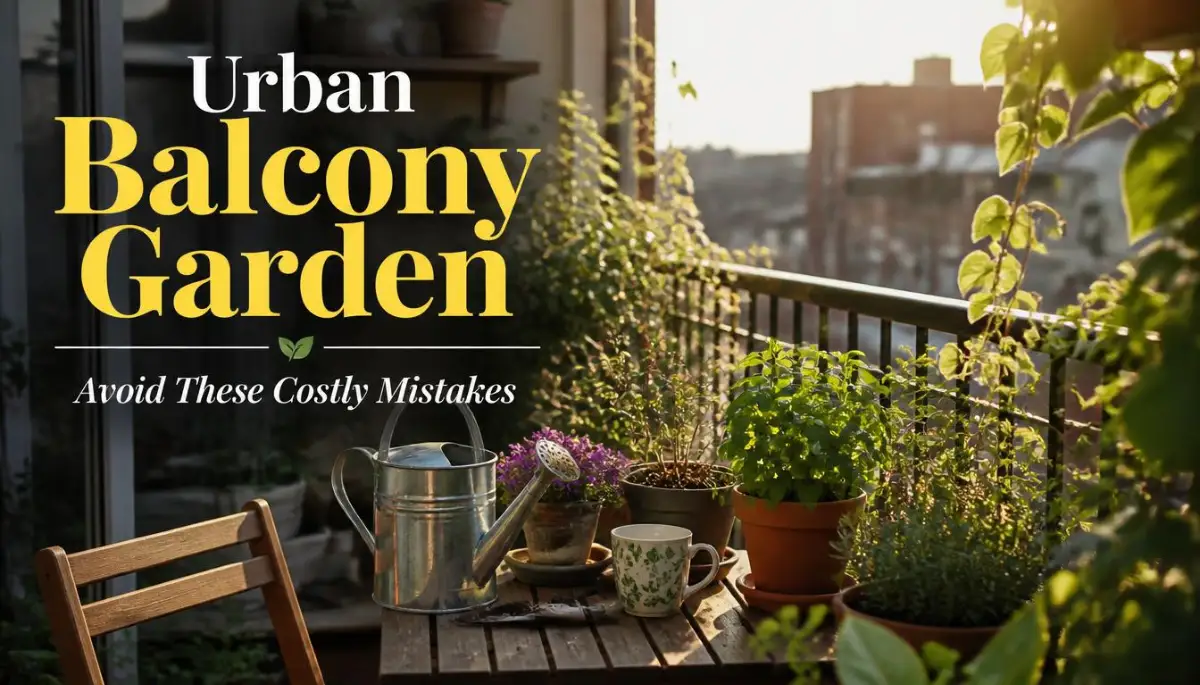
I still clearly remember the day I decided to turn my tiny apartment balcony into a green paradise. I came home from the local nursery carrying five beautiful, expensive plants, feeling like a proud new parent. I spent hours arranging them, imagining how peaceful my mornings would be drinking coffee surrounded by nature. But within just two weeks, that dream completely shattered.
My beautiful ferns turned brown and crispy, my expensive tomato plant snapped in the wind, and my balcony floor became a permanent, muddy mess. I felt entirely defeated and honestly, quite embarrassed. I kept asking myself why I could not keep a simple plant alive while everyone else on the internet seemed to have perfect indoor jungles.
This is a quiet struggle so many of us face when living in apartments. We crave that connection to nature to escape the heavy stress of our daily jobs and city noise. We spend our hard-earned money on expensive pots, pretty watering cans, and premium seeds, hoping to create a small corner of peace. But when those plants slowly start dying, it does not just waste our money—it genuinely hurts our mental peace and makes us feel like failures.
You wake up excited to check your new leaves, only to find yellowing stems and mysterious bugs crawling in the dirt. Instead of a relaxing sanctuary, your balcony becomes a source of daily anxiety and frustration. You constantly worry if you watered them too much or too little, and the guilt of throwing away a dead plant feels terrible. If you are nodding your head right now, I want you to know that you are not alone in this struggle.
The truth is, growing plants heavily depends on understanding the specific environment of your space. A balcony high up in a concrete building is completely different from a traditional backyard. But do not worry! I have made every terrible error possible so that you do not have to. Today, I am going to share exactly what went wrong and how you can avoid these hidden traps to build a thriving green space.
The Hidden Traps Destroying Your Tiny Outdoor Space
Setting up plants on a balcony requires a completely different mindset. Most beginners fail because they treat their high-rise concrete slab exactly like a suburban backyard garden.
Let me walk you through the most common traps that are silently ruining your plants. By fixing these simple things, you will instantly notice a massive change in how your green friends behave and grow.
Assuming All Sunlight Is Created Equal
One of the biggest assumptions we make is that if a plant is outside, it is getting the right amount of light. We place pots wherever they look visually pleasing, entirely ignoring the actual path of the sun.
Balconies are tricky because they usually have walls, a roof, and railings that block light from certain angles. If your balcony faces the east, you get gentle morning sun, which is perfect for delicate leafy greens and herbs. But if your balcony faces the west or south, the afternoon sun acts like a magnifying glass.
Concrete walls absorb heat all day and release it, literally baking your plants from all sides. You need to map your sunlight before buying a single seed.
Spend a weekend checking your balcony every two hours. Note down exactly which corners get direct sun and which stay in the shade. This simple mapping exercise will save you from buying a shade-loving fern and accidentally roasting it in the hot afternoon sun.
Using Dirt from the Ground Instead of Proper Mix
When I first started, I thought dirt was just dirt. I bought cheap heavy garden soil, filled my expensive ceramic pots, and wondered why water just sat on top like a muddy puddle.
Regular garden soil is extremely heavy and dense. When you pack it into a container, it compresses over time. This completely chokes the roots of your plants because they cannot breathe. Yes, roots actually need oxygen to survive!
Instead, you must use a high-quality, lightweight potting mix. A good mix usually contains coco peat or peat moss to hold moisture, and perlite—those tiny white balls—to keep the soil loose and airy.
I learned the hard way that saving money on soil is the fastest way to lose money on plants. My biggest realization was when I finally switched to a proper perlite-rich potting mix; my dying pothos suddenly shot out three new leaves in a single week. Good soil is an investment, not an expense.
The High-Rise Wind Tunnel Effect
We often forget that the higher you go up in an apartment building, the stronger the wind gets. A gentle breeze on the ground floor can easily become a destructive wind tunnel on the tenth floor.
Strong winds do two terrible things to your garden. First, they can physically snap the stems of tall or delicate plants like tomatoes or tall flowers. Second, wind pulls moisture out of the leaves much faster than the roots can absorb water from the soil.
If you notice the edges of your leaves turning brown and crispy despite watering them, wind burn is likely your invisible enemy. To fix this, you need to create a strategic barrier.
Place heavier, wind-tolerant plants like sturdy palms or thick shrubs at the outer edges of your balcony. These tough plants will act as a natural windbreak, protecting the smaller, fragile herbs sitting behind them. You can also use bamboo screens attached to your railing to filter the harsh wind into a gentle breeze.
Killing With Kindness: The Watering Disaster
If there is one thing that takes down more urban gardens than anything else, it is our own obsession with watering. We treat our plants like pets, thinking that giving them water every day is a sign of love.
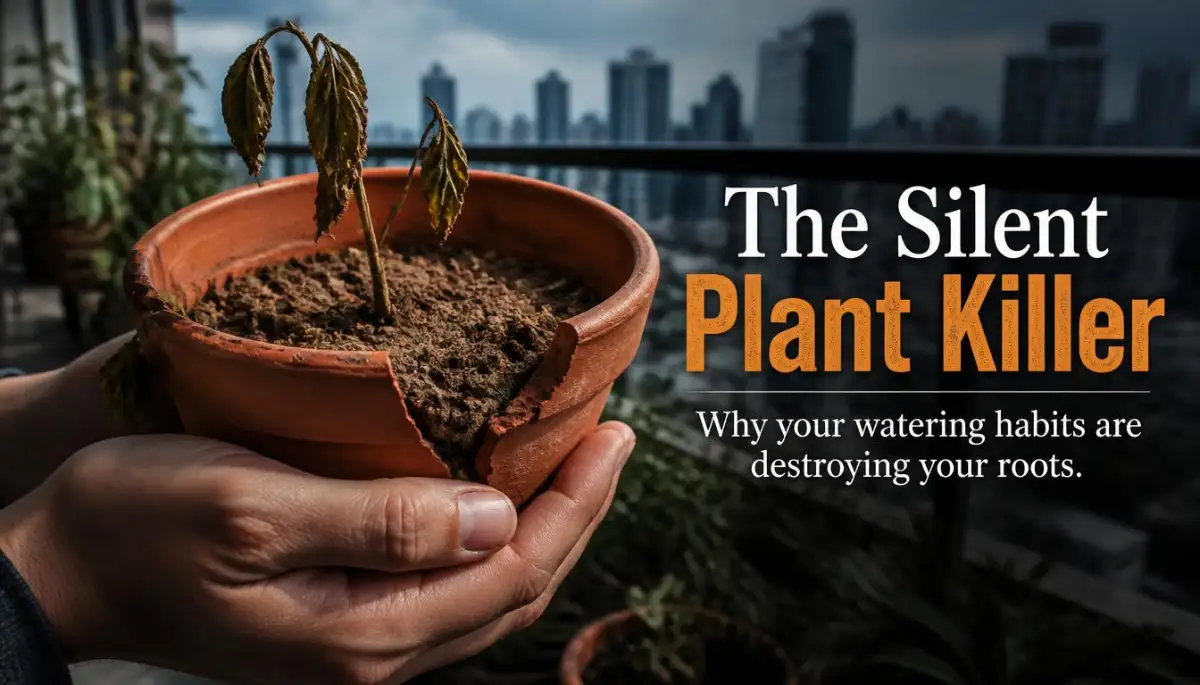
But roots sitting in permanently wet, soggy soil will quickly rot and die. The plant essentially drowns. You will notice the leaves turning a sickly pale yellow, drooping heavily while the soil is still wet.
To stop this cycle of overwatering, you need to throw away your watering schedule. Plants do not care what day of the week it is; they only care about how dry their soil is.
Watch this incredibly helpful breakdown before you grab your watering can again.
Instead of guessing, use the simple finger test. Push your index finger about two inches deep into the soil. If it feels dry, give it a good soak until water runs out the bottom. If it feels even slightly damp, walk away and check again tomorrow.
Overcrowding Your Limited Space
When you walk into a plant shop, it is so easy to get carried away. You buy trailing vines, tall trees, colorful flowers, and edible herbs all at once.
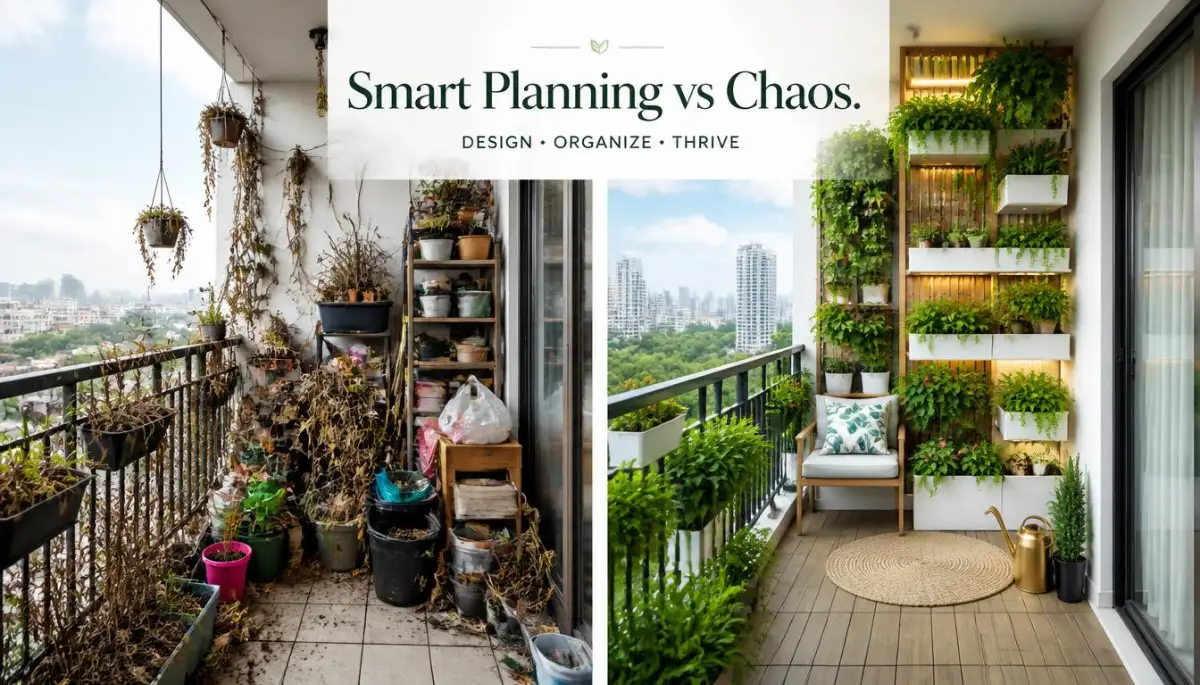
You bring them home and squeeze them tightly together into your small balcony space to create a "jungle look." While this might look great for a quick photograph, it is a disaster for plant health.
When plants are crammed together, air cannot flow freely between their leaves. Poor airflow creates a damp, humid pocket perfectly suited for fungal diseases and pest infestations. Spider mites and powdery mildew will spread from one plant to another in just a matter of days.
Always leave enough breathing room between your pots. A good rule of thumb is that the leaves of neighboring plants should barely touch, if at all.
The Myth vs Reality of Balcony Care
To make things even clearer, let us break down some common thoughts beginners have compared to what plants actually require.
Understanding these basic realities changes everything. Gardening is not about forcing nature to do what you want; it is about paying attention to what the plant is trying to tell you.
Ignoring the Importance of Drainage Holes
Let us talk about the containers themselves. You might find a beautiful decorative pot at a home goods store and immediately plant your favorite flower inside it.
The problem? Many decorative pots do not have drainage holes at the bottom. Without a way for excess water to escape, the bottom of the pot turns into a swamp.
Even if you water carefully, minerals from your tap water will build up in the enclosed soil over time, eventually burning the roots. Never plant directly into a container without holes.
If you really want to use that beautiful pot, keep the plant inside its cheap plastic nursery pot. Then, simply place the plastic pot inside the decorative one. When it is time to water, take the plastic pot out, water it thoroughly in your sink, let it drain completely, and put it back.
Forgetting About Weight Limits and Safety
This is a step almost everyone skips until it is too late. Soil, especially when it is heavily soaked with water, weighs a massive amount.
Add the weight of heavy terracotta or ceramic pots, and you might be putting dangerous stress on your apartment balcony structure. Before you build massive wooden planter boxes, check your building guidelines.
Always opt for fiberglass or thick plastic pots instead of clay or concrete. They look exactly the same from a distance but weigh a fraction of the amount.
Safety also applies to your neighbors below you. Ensure that your pots are heavily secured and cannot be knocked off the railing during a sudden storm. Using heavy-duty zip ties for railing planters is a cheap and effective way to secure your garden.
By taking these physical precautions, you can sleep peacefully at night, knowing your beautiful garden is safe, secure, and ready to thrive.
Next-Level Secrets for a Thriving High-Rise Garden
Once you stop making those basic errors, you are ready to genuinely understand how plants behave in a limited space. Building a successful outdoor area is not just about keeping things alive. It is about creating a tiny ecosystem that takes care of itself over time.
The most successful urban gardeners do not spend hours every day fussing over their pots. Instead, they set up smart systems that do the hard work for them. Let me share some of the most effective strategies I have discovered to keep a container garden looking amazing all year long.
Create Your Own Micro-Climate
High-rise apartments are notorious for having dry, harsh air that strips moisture right out of delicate leaves. You can instantly fix this by grouping your plants together in small clusters. When plants sit close to each other, they release moisture into the air through their leaves, creating a invisible bubble of humidity.
This simple trick mimics how they naturally grow in the wild. If you have tropical plants like monsteras or ferns, this humidity bubble will completely transform how they grow. For more detailed insights on how plant grouping works naturally, you can read how experts at the Royal Horticultural Society explain companion planting.
Another amazing trick is using a pebble tray. Grab a cheap plastic tray, fill it with small rocks, and pour a little water inside. Place your plant pot directly on top of the rocks, making sure the bottom of the pot does not touch the water. As the sun hits the tray, the water slowly evaporates upwards, giving your green friends a constant, gentle mist.
Master the Art of Light Bouncing
We often complain about our apartments not getting enough direct sunshine. But you can actually manipulate the light you do have by using reflective surfaces. Just as you would maximize natural light to make a tiny room look huge, you can use the same concept outside.
Painting your balcony walls a crisp, bright white is the easiest way to double the amount of sunlight hitting your pots. The white paint catches the morning sun and bounces it deep into the shaded corners of your space. You can even place small decorative mirrors on the walls to redirect sunshine exactly where your sun-loving herbs need it most.
Remember to rotate your pots a quarter turn every single week. Plants naturally bend and stretch toward the strongest light source. If you never turn them, they will grow permanently crooked and weak on one side.
Build a Living Soil Ecosystem
When you grow plants in the ground, earthworms and natural microbes constantly break down dead leaves to feed the roots. In a plastic container on the tenth floor, that natural cycle does not exist. You have to create it yourself.
Instead of dumping harsh synthetic blue liquids into your soil, start using organic matter. Adding a handful of worm castings to the top of your soil once a month works like absolute magic. Every time you water, those rich, natural nutrients slowly wash down into the root zone without ever burning the plant.
Healthy soil is the absolute foundation of everything you grow. If you want a deeper dive into how root systems breathe, the Texas A&M AgriLife Extension offers brilliant resources on soil aeration. Giving your roots a loose, nutrient-rich home means your plants will fight off diseases completely on their own.
The Silent Killers That Ruin Your Hard Work
Even with the best intentions, it is incredibly easy to accidentally destroy weeks of hard work in a single afternoon. When you are just starting out, enthusiasm often pushes you to make quick, emotional decisions. Let us look at the worst traps you must actively avoid.
The Tragedy of Uninvited Guests
Imagine walking out with your morning coffee, only to find your beautiful ivy completely covered in tiny white webs. Pest infestations happen so fast on a balcony because there are no natural predators like ladybugs or birds to eat the bad insects.
The biggest mistake you can make is bringing a brand new plant home and immediately placing it next to your healthy ones. Nurseries are packed with thousands of plants, making them the perfect breeding ground for spider mites, aphids, and fungus gnats.
Whenever you buy something new, you must put it in a separate quarantine corner for at least two weeks. Check completely under every single leaf with a flashlight. If you ignore this step, one sick purchase will wipe out your entire collection. For a highly reliable guide on spotting these early warning signs, the University of Maryland Extension provides excellent pest management strategies.
Toxic Love and Chemical Burns
When a plant starts looking sad or drooping, our first instinct is usually to panic and dump fertilizer into the pot. We think of fertilizer as plant medicine, but that is a massive misunderstanding.
Fertilizer is essentially just raw energy and food. If a plant is already stressed from too much water, harsh wind, or a sudden change in temperature, forcing it to consume heavy nutrients will shock its system. The chemical salts will build up, severely burning the fragile root tips.
You will notice the very tips of the leaves turning black and crispy almost overnight. Never feed a sick plant. Only provide nutrients when the plant is actively pushing out bright green new growth during the warm growing season.
Refusing to Adapt to the Seasons
Balcony environments completely transform as the seasons shift. The corner that gets beautiful, gentle morning light in the spring might become completely dark by late autumn. If you do not move your pots to match the shifting angle of the sun, your sun-loving flowers will slowly starve to death.
Many beginners also forget that cold weather severely slows down how much water a plant drinks. If you keep watering your pots in December the exact same way you did in July, the soil will stay freezing wet, causing immediate root rot.
You must stay deeply observant and adjust your habits based on what is happening outside right now. Understanding the natural cycles of your specific region is non-negotiable, and resources like the North Carolina State University Extension on plant hardiness can help you figure out exactly what survives in your local climate.
The Frustration of Unstable Systems
Just like dealing with a dropped internet connection when you need it most, seeing a plant suddenly collapse is incredibly frustrating. We often search for simple ways to fix a slow internet connection because we hate when things randomly stop working. Your garden is exactly the same.
Plants hate sudden, drastic changes. Moving a shade-loving fern directly into harsh afternoon sunlight will scorch its leaves white in just a few hours. If you need to move a plant to a brighter spot, you must do it gradually over a span of two weeks to let it adapt.
Success in this hobby comes from building a strong, reliable routine. Much like the real secret to building products that people actually love is understanding the end user, growing a great garden requires genuinely understanding what your plant is asking for. Pay attention to the subtle signs, like drooping leaves or dull colors, before they become massive problems.
Your Blueprint for a Beautiful Outdoor Sanctuary
Building a lush, relaxing green space right outside your apartment door is one of the most rewarding things you will ever do. It forces you to slow down, disconnect from your glowing screens, and reconnect with the quiet pace of nature.
You will definitely lose a few plants along the way, and that is perfectly okay. Every single brown leaf and dropped flower is just a lesson telling you what not to do next time. Instead of feeling frustrated by these small failures, use them to become a more observant and patient grower.
Start extremely small with just two or three forgiving plants like snake plants or pothos. Take the time to map out your sunlight, invest in high-quality fluffy soil, and learn the weight of your pots to master your watering schedule. Once you nail these basic foundations, you can slowly start expanding your collection.
If you are looking for even more inspiration on home improvement and creating comfortable spaces, you can always explore more helpful guides on our main home resource hub.
The journey from an empty concrete slab to a private, thriving jungle takes time, but the peace of mind it brings is worth every single drop of effort. When you finally sit in your favorite chair, surrounded by healthy green leaves blowing in the breeze, you will realize exactly why this hobby is so incredibly addictive.
I really hope my past failures help you skip the frustration and skip straight to the joy of growing. I know how intimidating it feels standing in a plant shop right now, but trust me, you already have everything you need to create something beautiful today!
Quick Answers to Your Biggest Balcony Gardening Doubts
Can I actually grow vegetables on a heavily shaded balcony?
Yes, you absolutely can, but you must choose the right types of vegetables. Sun-loving plants like tomatoes and peppers will fail, but leafy greens like spinach, lettuce, and herbs like mint thrive beautifully in partial shade.
How often should I completely replace the potting soil?
You should aim to refresh the soil in your containers every twelve to eighteen months. Over time, the organic matter breaks down completely, leaving the soil compacted and completely drained of essential nutrients.
What is the easiest way to prevent annoying fungus gnats?
Fungus gnats lay their eggs in the constantly wet top layer of your soil. The fastest way to stop them is to simply let the top two inches of your soil dry out completely before watering again. You can also sprinkle a thin layer of dry cinnamon on the top dirt, which naturally stops the fungus they feed on.
Are terracotta clay pots better than plastic ones?
Terracotta is amazing because the clay breathes, pulling excess moisture out of the soil and preventing root rot. However, they are very heavy and dry out incredibly fast in hot winds. Plastic pots are much lighter and hold moisture longer, which is often safer for high-rise balconies.
Why do the tips of my indoor and balcony plants keep turning brown?
Brown, crispy tips are almost always a sign of inconsistent watering or a severe lack of humidity in the air. It can also happen if you are using tap water heavily loaded with harsh chemicals like chlorine. Try leaving your watering can out overnight so the chlorine naturally evaporates before you use it.
Disclaimer: The gardening advice, tips, and strategies provided in this article are for general informational and educational purposes only. Plant care results vary significantly depending on local weather conditions, specific plant varieties, and individual environments. Always check your apartment building's specific regulations regarding balcony weight limits and container safety before starting your project.
![The Secret Formula to Generate Unique Ideas Instantly [Step-by-Step]](https://topic36.com/storage/uploads/blogs/1787466615_the-secret-formula-to-generate-unique-ideas-instantly-step-by-step.webp)
![The Secret Morning Framework of Highly Calm People [Step-by-Step]](https://topic36.com/storage/uploads/blogs/1787309605_the-secret-morning-framework-of-highly-calm-people-step-by-step.webp)