Waking Up to a Red Screen: My Hardest Financial Lesson
I remember exactly where I was sitting when my entire financial world felt like it was collapsing. It was three in the morning, and a sudden alert on my phone woke me up from a deep sleep. I opened my digital wallet, and a cold sweat instantly dropped down my neck as I watched my balance shrinking by the minute.
I had poured almost all my hard-earned savings into just two highly hyped tokens because some random online influencer promised they would go to the moon. Instead, the market took a massive, unexpected dive, and my entire portfolio dropped by nearly seventy percent overnight.
I felt completely paralyzed, staring blankly at the red numbers on my screen. I kept blaming myself for being so greedy and totally blind to the actual risks involved. I felt embarrassed, knowing I had ignored the basic rules of protecting my money just to chase quick profits.
That terrible night taught me the hardest lesson I have ever learned about owning digital assets. It forced me to completely rethink my approach to money and realize that hope is not a real strategy. I knew I had to find a smarter way to manage my money so I would never have to feel that kind of sickness in my stomach again.
The daily reality for most people holding digital assets is a constant rollercoaster of extreme emotions. You probably know exactly what I am talking about if you check your portfolio app twenty times a day.
We wake up checking prices before we even brush our teeth, letting a green or red number dictate our mood for the entire day. This constant anxiety steals our focus from our families, our regular jobs, and our mental peace.
When your entire wealth is tied to a single project or a highly volatile sector, you are essentially gambling with your peace of mind. Every minor news headline or random social media post sends your heart racing because your financial safety is hanging by a single thread.
This extreme stress ruins relationships because you are physically present in the room but mentally trapped in the charts. The fear of waking up poor is a heavy burden that no one should have to carry every single day.

Building a Bulletproof Strategy Against Sudden Market Crashes
If you are tired of losing sleep over market swings, it is time to change how you build your digital wealth. You do not need a degree in finance to protect your money from sudden drops.
You just need a logical, disciplined approach to spreading out your risk across different areas. Let us explore exactly how you can build a defensive shield around your hard-earned money.
The Myth of Fake Diversification
Many beginners think they are safe just because they own fifteen different coins in their digital wallet. However, they soon realize that all fifteen coins are basically doing the exact same thing.
If all your tokens are high-risk meme coins or built on the exact same network, you are not actually diversified. When that specific network goes down or loses popularity, your entire portfolio will crash at the exact same time.
Real protection means holding different types of assets that do not always move in the exact same direction. If one part of your portfolio takes a hit, another part should remain stable or even grow to balance things out.
Understanding the Anchor and the Sail
Think of your portfolio like a large ship trying to cross a very unpredictable ocean. You need large, heavy anchors to keep you safe during terrible storms.
In the digital asset space, these anchors are the oldest, most established networks with the highest market value. They might not make you a millionaire overnight, but they are much less likely to disappear completely tomorrow.
On the other hand, you also need sails to catch the wind and move forward quickly. These are your smaller, higher-risk projects that have the potential for massive growth over time.
The secret is finding the perfect balance between the anchor and the sail. If your ship is all anchor, you will never go anywhere, but if it is all sail, the first strong wind will flip you over.
Pro Tip: The Cash Reserve Mistake
I used to think holding regular cash or stable digital dollars was a complete waste of time when prices were going up. My biggest mistake was staying fully invested at all times, which left me with zero buying power during sudden crashes. Now, I always keep at least a twenty percent reserve in stable assets, and it gives me incredible peace of mind because I can actually buy things at a heavy discount when others are panicking.
Watch This Strategy in Action
If you want to visually understand how smart investors spread their money to avoid getting wiped out, this short video breaks down the exact math perfectly. Taking five minutes to watch this could literally save your entire portfolio during the next big drop.
Categorizing by Real-World Utility
One of the smartest ways to spread your risk is by looking at what these digital projects actually do in the real world. Do not just buy names you recognize; buy into different sectors of the digital economy.
For example, some networks are built specifically to handle global payments faster and cheaper than traditional banks. Other projects are focused entirely on decentralized gaming, allowing players to own their in-game items permanently.
You also have platforms that act like massive digital computers, allowing developers to build complex applications on top of them. By putting a little bit of money into each of these totally different categories, you protect yourself.
If the gaming sector has a terrible month due to bad news, your payment-focused assets might still perform perfectly fine. You are essentially betting on the growth of the entire digital economy rather than just one single trend.
The Power of Different Market Sizes
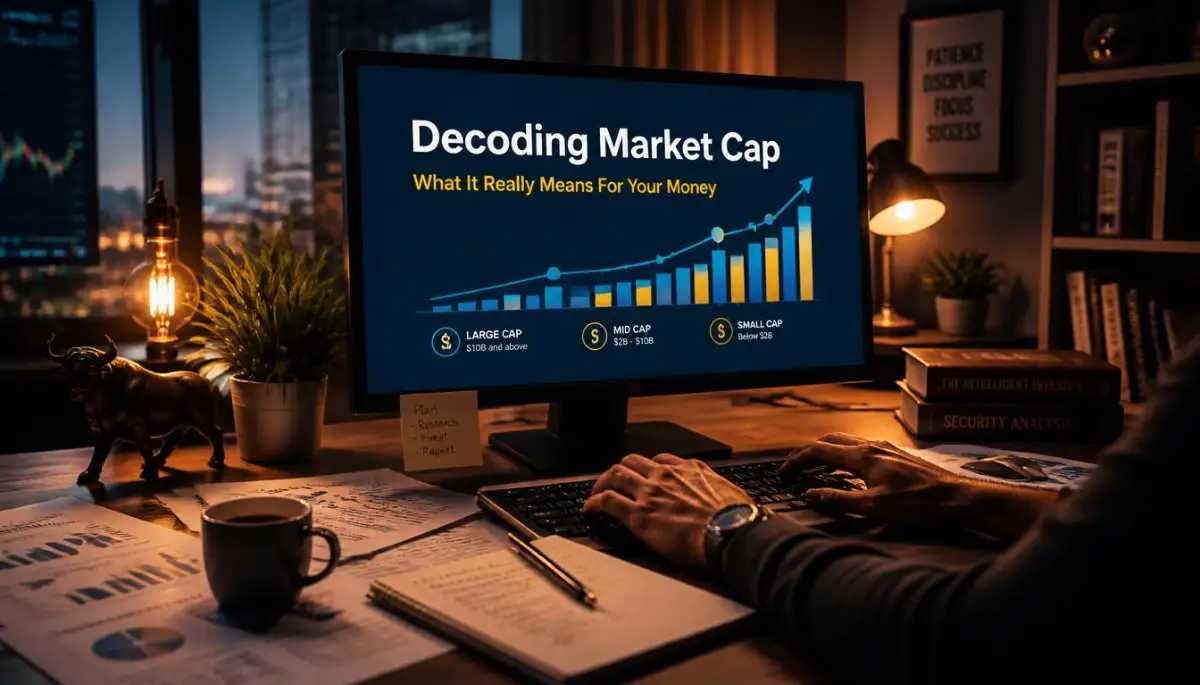
Another essential step is dividing your investments based on the total size of the projects. In traditional finance, they call this looking at market capitalization, which just means how big and established the asset is.
Large-cap assets are the giants of the industry, holding billions of dollars in value and trusted by major institutions. They are generally much safer and move slower, meaning they will not drop ninety percent in a single afternoon.
Mid-cap assets are like growing teenagers; they have proven they belong but still have a lot of room to expand. They offer a great middle ground between high potential rewards and manageable risk.
Micro-caps are the brand new, highly experimental projects that could either grow wildly or completely fail in a month. You should only ever put money you are completely willing to lose into this specific category.
Avoiding Extreme Concentration
A major trap that catches almost everyone is falling deeply in love with a specific project. You start reading their forums, joining their chat groups, and suddenly you believe they are the only project that matters.
This emotional attachment leads to over-concentration, where you keep buying more of the same token every time you get paid. You have to treat your investments like a business, not like a sports team you are wildly cheering for.
Set a strict rule for yourself that no single asset will ever make up more than thirty percent of your total money. If a specific token grows so much that it becomes half of your portfolio, you must force yourself to sell a portion of it.
Selling a winner feels uncomfortable, but moving those profits into your safer, stable assets locks in your success permanently.
Managing Across Different Storage Methods
Diversification is not just about what you buy; it is also heavily about where you actually keep it. Trusting a single website or application to hold your entire life savings is a massive risk.
We have seen countless massive exchanges go bankrupt unexpectedly, locking millions of users out of their accounts forever. If all your money is sitting on one platform and that platform disappears, your careful asset selection means nothing.
You must spread your risk by using different storage methods to secure your digital wealth. Keep the funds you use for daily trading on reputable exchanges, but move your long-term holdings entirely off the internet.
Using physical hardware wallets ensures that no company can ever freeze your account or lose your money. Having multiple secure storage points guarantees that one single failure will not ruin your financial future.
Building Your Personal Risk Profile
Before you buy another token, you need to sit down and be incredibly honest about your own life situation. A twenty-year-old college student can afford to take completely different risks compared to a fifty-year-old parent.
If you have kids, a mortgage, and lots of responsibilities, your portfolio needs to be heavily defensive. You should focus primarily on the oldest, safest networks and hold a large amount of stable digital dollars.
If you are young, have very few bills, and have a steady income, you can lean slightly more toward the higher-risk projects. However, even the most aggressive investors need a safety net to catch them when the market turns ugly.
A Quick Comparison of Strategies
Let us look at a simple breakdown of how different approaches handle market stress.
This table clearly shows that how you arrange your money heavily dictates your emotional state during hard times. The Strategist does not fear a drop; they actually welcome it because their balanced approach protects their core wealth.
Recognizing Correlation in the Market
One of the most confusing things for newcomers is realizing that the digital market often moves as one massive group. When the biggest, most famous asset drops in price, almost every smaller token follows it immediately.
This happens because automated trading robots and fearful investors sell everything off at the exact same time. You cannot completely escape this group movement, but you can definitely soften the blow.
Certain assets, especially those tied directly to traditional physical goods like gold, tend to ignore these group movements. Adding these unique types of digital tokens to your mix creates a natural shock absorber for your money.
Taking Action Today
You do not need to fix your entire portfolio in one single afternoon. Start small by looking at your current holdings and writing down exactly what categories they fall into.
If you notice that eighty percent of your money is in experimental gaming tokens, you know exactly where the problem is. Next time you have extra money to invest, do not buy more gaming tokens; buy something incredibly boring and stable instead.
Slowly, month by month, you will shift your highly dangerous collection of digital assets into a properly balanced portfolio. The ultimate goal is to reach a point where you can sleep soundly for eight hours, knowing your money is completely protected.
The path to building lasting wealth is never about finding the one magical token that makes you rich instantly. It is always about making smart, defensive choices every single day that keep you in the game for the long run.
Beyond Basic Protection: Expert Strategies for Long-Term Safety
Once you understand the basic idea of spreading your money around, you need a system to maintain that balance. The digital market moves incredibly fast, and a perfectly balanced portfolio today can become extremely risky by next month.
You need advanced habits that automatically protect your wealth without requiring you to stare at charts all day. Let us explore exactly how professionals keep their risk low while still capturing great rewards over time.
The Art of Strategic Pruning
Think of your investment portfolio like a rapidly growing garden in your backyard. If you let one specific plant grow too large, it will eventually steal all the sunlight and water from everything else.
This happens constantly in digital markets when one token suddenly skyrockets in value. If a single asset grows to represent sixty percent of your total money, your risk level has secretly doubled without you even noticing.
To fix this, you must practice a technique called portfolio re balancing, which is essentially just pruning the overgrown plants. Every few months, you force yourself to sell a small portion of your biggest winners and use that money to buy your under performing assets.
This simple habit forces you to sell when prices are high and buy when prices are low, entirely removing emotion from the process. It is a highly effective way of understanding asset allocation and risk management without needing a finance degree.
Automating Your Defense Mechanisms
Human beings are naturally greedy, and we often talk ourselves out of taking profits when the market is booming. This is why the best investors rely heavily on automated systems to do the heavy lifting for them.
Instead of trying to guess the perfect moment to buy, they use automated platforms to buy small amounts every single week. This strategy smooths out the wild price swings, meaning you never accidentally put all your money in at the highest possible price.
You can also set automated limit orders that instantly sell a portion of your tokens if the price drops to a certain level. Having these digital safety nets in place ensures you never wake up to a total wipe out while you were sleeping.
Building a reliable, automated financial system takes time, but it is much like the real secret to building products that people actually love. You have to design it carefully from the very beginning so it works flawlessly when you actually need it.
Expanding Across Different Digital Ecosystems
A huge blind spot for many intermediate investors is keeping all their different tokens on the exact same blockchain network. You might own twenty different gaming, finance, and utility tokens, feeling extremely proud of your setup.
However, if all those tokens require the exact same network to function, a single technical failure on that network freezes your entire wealth. True safety requires you to step outside your comfort zone and explore completely different digital ecosystems.
You want to hold assets across multiple independent networks that share zero underlying technology. The Cambridge Centre for Alternative Finance often highlights how network independence is a primary factor in surviving market stress. If one ecosystem suffers a massive hack or congestion issue, your other assets will continue operating perfectly fine.
The Psychology of Holding Cash Equivalents
Many people feel intense pressure to keep every single dollar invested in the market at all times. They view holding stable digital dollars as a wasted opportunity because it does not generate massive daily returns.
However, holding a strong reserve of stable assets is actually your biggest offensive weapon during a market crash. When the market panics and everything drops by fifty percent, having available cash allows you to buy premium assets at a massive discount.
Sometimes, making a tiny adjustment in how you view cash completely changes your overall results. It is surprisingly similar to how you can maximize natural light how to make your tiny room look huge; a small shift in perspective creates massive breathing room.

The Most Dangerous Traps That Destroy Portfolios
Even with a perfect plan on paper, human emotion often leads us into terrible financial traps. I have seen incredibly smart people lose absolutely everything because they ignored a few basic warning signs.
Let us walk through the most destructive mistakes people make when trying to manage their digital wealth. Avoiding these specific traps will put you far ahead of the average market participant.
Chasing Unrealistic Yields and Fake Promises
One of the easiest ways to lose your entire life savings is by locking your tokens into platforms promising massive, guaranteed daily returns. We all want our money to work for us, but double-digit weekly interest rates are never sustainable in reality.
When you deposit your funds into these shady platforms, you are usually handing over total control of your money. If the platform quietly goes bankrupt or the founders disappear, you have absolutely zero legal protection.
I know families who lost their entire house deposits because they trusted a platform offering twenty percent interest on their savings. If an opportunity sounds completely magical and too good to be true, it is almost certainly a trap designed to steal your liquidity.
Always verify the legitimacy of any platform before connecting your wallet. You can review guidelines on how to spot and avoid digital asset scams to keep your money strictly out of the hands of bad actors.
Falling in Love with a Single Narrative
Another devastating mistake is becoming emotionally attached to a specific digital project or community. You start reading their daily updates, arguing with critics online, and convincing yourself that this one token will change the entire world.
When you fall in love with an asset, you completely lose your ability to spot obvious red flags. You start ignoring technical failures, missed deadlines, and suspicious developer activity because you desperately want the project to succeed.
This blind loyalty causes people to double down and buy even more tokens while the price is heavily crashing. You must constantly remind yourself that these projects are simply tools to build your personal wealth, not your family members.
If a project fundamentally changes its direction or fails to deliver on promises, you must be willing to sell it immediately. Do not let stubborn pride destroy the financial safety net you have worked so hard to build.
Ignoring Security for the Sake of Convenience
A perfectly balanced portfolio means absolutely nothing if a hacker can easily drain your account in ten seconds. Many beginners leave massive amounts of money sitting on their mobile phones without even setting up basic two-factor authentication.
They use the same simple passwords for their digital wallets that they use for their social media accounts. This extreme laziness is exactly what online criminals are constantly searching for across the internet.
Taking proper security measures can sometimes feel highly annoying, but dealing with frustrating interruptions is better than losing everything. Think of it like trying to stop wi-fi drops simple ways to fix your slow internet connection; you have to fix the basic vulnerabilities before you can enjoy a smooth experience.
Always use hardware wallets for your long-term savings and write your recovery phrases on physical paper, never in a digital screenshot. Your wealth is entirely in your own hands, which means you alone are responsible for keeping the vault permanently locked.
The Panic Selling Phenomenon
Perhaps the saddest mistake I see regularly is people abandoning their carefully planned strategy during the first major market dip. They build a great, diversified portfolio during the good times, feeling like absolute geniuses.
But the moment the news turns negative and prices drop, sheer panic takes completely over their logical brain. They forcefully sell all their assets at the absolute lowest possible prices just to make the emotional pain stop.
Then, three months later, the market recovers, and they are left with nothing but regret and empty pockets. You have to accept that massive price drops are a normal, regular part of participating in the digital economy. If you cannot handle seeing a thirty percent drop without selling everything, you are probably taking on way too much risk.
To explore more in-depth guides on personal growth and smart strategies, feel free to visit our main resource hub whenever you need fresh ideas.
Taking Control of Your Financial Future
Building a shield around your money is not about predicting the future perfectly; it is about preparing for everything. By spreading your assets across different sectors, market sizes, and storage methods, you instantly remove the daily panic from your life.
You no longer have to worry about one single bad news story wiping out years of your hard work. You can finally step away from the glowing screens, spend actual quality time with your family, and let your balanced strategy do the heavy lifting.
True financial peace comes from knowing that no matter what the market does tomorrow, you will be completely fine. Take a deep breath, review your current holdings logically, and start making those small defensive adjustments today.
A Personal Note Before You Go:
I personally know how scary and overwhelming it feels when you are trying to protect your savings in such a confusing market. My biggest breakthrough happened the day I stopped chasing quick riches and started treating my money with the respect it deserves. I promise you, taking the time to balance your portfolio today will give you a level of mental peace you never thought was possible.
Common Questions About Protecting Digital Wealth
How often should I actively check my digital asset portfolio?
You should realistically only check your long-term holdings once or twice a month to monitor overall balance. Checking your portfolio multiple times a day only feeds anxiety and leads to terrible, emotionally driven decisions. Set a specific day on your calendar for a monthly review and strictly ignore the charts the rest of the time.
Is holding stable digital dollars completely risk-free?
No digital asset is entirely without risk, even those designed to maintain a perfect one-dollar value. Some stable assets are backed by actual physical cash in a bank, while others rely on complex computer codes that can sometimes fail. To stay safe, you should spread your cash reserves across two or three of the most trusted and transparent stable projects.
Does keeping my money on multiple exchanges actually help?
Spreading your active trading funds across a few different reputable exchanges definitely reduces your platform risk. If one company unexpectedly pauses withdrawals or faces a severe cyber attack, you still have access to your other funds. However, your safest option is always moving the majority of your wealth completely offline into a personal hardware wallet.
Can I protect my investments without having to sell them?
Yes, you can use advanced strategies like buying digital options to act as an insurance policy against massive price drops. However, these tools are highly complex and can quickly drain your money if you do not know exactly what you are doing. For most regular folks, simple diversification and holding a healthy cash reserve is a much safer and cheaper way to defend their wealth.
What should I do if one of my tokens suddenly drops massively?
First, do absolutely nothing for at least twenty-four hours to let your initial panic fade away. Next, honestly research if the underlying project has fundamentally failed, or if the entire market is just having a bad day. If the project itself is broken, sell it and move on; if it is just general market fear, trust your balanced strategy to absorb the shock.
Disclaimer: The information provided in this blog post is for educational and informational purposes only and does not constitute financial, investment, or legal advice. Digital assets are highly volatile, and you should always conduct your own extensive research or consult with a licensed financial advisor before making any investment decisions. Never invest money you cannot afford to lose.