
The Silent Struggle of a Confused Digestive System
I spent years waking up every single morning feeling like there was a heavy brick resting inside my stomach. No matter how much sleep I got, I always felt deeply exhausted and sluggish. I would look at my closet and intentionally avoid wearing my favorite jeans because I knew the afternoon bloating would make them impossibly tight. Every time I ate a simple meal, my body seemed to declare war on me, leaving me uncomfortable, distracted, and completely drained of energy.
Millions of normal people silently deal with this exact same uncomfortable reality every single day. You sit down to enjoy a lovely dinner with your family, but instead of focusing on the conversation, you are secretly worrying about how your stomach will react. You start limiting the foods you love, hoping that eating less will somehow solve the mysterious pain.
This daily physical discomfort creates a heavy layer of mental stress that nobody really talks about. When your stomach hurts, your brain simply cannot focus on important tasks at work. You become irritable with your friends and family because you are constantly carrying around this hidden physical burden.
Your social life begins to suffer as you start declining dinner invitations or weekend outings. The fear of suddenly needing a bathroom or dealing with intense gas traps you inside your own home. It feels like your body has completely turned against you, and you are entirely powerless to stop it.
Most people just accept this awful feeling as a normal part of getting older. They buy temporary antacids or anti-bloating pills, hoping for a quick chemical fix to a deeply rooted biological problem. But masking the symptoms only allows the root problem to slowly get worse.
You are not broken, and your body is not actively trying to punish you. Your internal digestive system is simply sending out loud warning signals because its natural balance has been completely disrupted. Once you learn how to properly care for this internal ecosystem, your entire daily experience will completely transform.
Thinking of Your Stomach as an Inner Garden
To really understand how to fix your digestion, you need to change how you picture your internal organs. Do not think of your stomach as a simple machine that just burns up fuel. Instead, picture your digestive tract as a beautiful, highly complex biological garden.
Inside this garden live trillions of tiny microorganisms, completely invisible to the naked eye. This massive community of bacteria is known as your gut microbiome. When the good bugs outnumber the bad bugs, your garden blooms, and your whole body feels incredibly light and energetic.
When you constantly eat highly processed foods, skip sleep, and live in high stress, you are essentially pouring toxic weed killer onto your beautiful internal garden. The good bugs die off, and the bad, gas-producing bacteria quickly take over the empty space.
This imbalance is the exact root cause of your constant bloating, brain fog, and low energy. Fixing it does not require an extreme medical procedure or starvation. It simply requires you to become a better gardener for your internal ecosystem.
The Essential Morning Routine for Digestive Peace
How you treat your body in the first hour after waking up sets the tone for your entire digestive day. Most people make the massive mistake of shocking their system with harsh chemicals before their stomach is even fully awake. We need to completely rewrite your morning script.
Let us walk through the absolute best way to gently wake up your digestive tract. This simple routine will prepare your body to handle food smoothly and efficiently all day long.
Step One: The Warm Water Flush
Before you even think about looking at your phone or turning on the coffee maker, you need to hydrate. While you sleep, your body uses up a huge amount of its water reserves to repair your cells. You wake up completely dehydrated, which makes your digestive juices thick and highly ineffective.
Walk straight to your kitchen and pour a large glass of warm, room-temperature water. Squeeze a fresh slice of lemon into it if you enjoy the taste.
Cold water directly from the fridge actually causes your stomach muscles to instantly tighten and cramp up. Warm water, on the other hand, acts like a gentle, warm bath for your internal organs. It naturally stimulates your bowels and helps flush out the leftover waste from the previous day.
Step Two: Delaying the Caffeine Shock
I know how tempting it is to drink a massive cup of strong coffee the absolute second your eyes open. Coffee is a heavy stimulant that aggressively forces your digestive system into high gear before it is ready. Pouring highly acidic coffee into an empty stomach is a guaranteed recipe for intense acid reflux and mid-day bloating.
You do not have to give up your morning coffee at all. You just need to delay it until your body is physically prepared to handle it.
Wait at least one full hour after waking up before taking your very first sip of caffeine. During this hour, make sure you have already completed your warm water flush and perhaps eaten a small bite of solid food. This tiny shift completely protects your stomach lining from unnecessary acid burns.
Are you curious about the amazing biological connection between your brain and your stomach? Check out this incredible visual breakdown that explains exactly how healing your gut changes your mind.
Step Three: The Power of Mechanical Digestion
Digestion does not actually begin in your stomach, as most people incorrectly assume. The entire process begins directly in your mouth the second you look at a piece of food. When you chew your food, your mouth releases enzymes that start breaking down carbohydrates immediately.
In our busy lives, we tend to inhale our food while staring directly at our computer screens. If you swallow large, unchewed chunks of food, your stomach has to work ten times harder to break them down.
This extra mechanical work causes your stomach to produce excess gas, leading to that painful, stretched-out feeling after lunch. You must train yourself to chew every single bite until it becomes a soft paste.
My biggest personal realization happened when I actually started counting my chews during dinner. I realized I was swallowing my food after just three or four tiny bites, practically choking down whole pieces of meat. I actively forced myself to put my fork down between bites, and my severe after-dinner bloating vanished within a single week.
Stocking Your Body with the Right Building Blocks
Now that your morning routine is perfectly set, we need to talk about what you actually put on your plate. Your good gut bacteria are essentially tiny pets that live inside you, and they are incredibly picky eaters. If you do not feed them their favorite foods, they will starve and stop protecting you.
You do not need to memorize a complicated diet plan to keep your bacteria happy. You just need to focus on adding specific elements to your daily meals.
The Ultimate Sweeper: Dietary Fiber
Fiber is the single most important ingredient for maintaining a healthy digestive system. You can think of fiber as a thick, natural broom that constantly sweeps through your intestines. It pushes old waste out of your system and keeps everything moving at a steady, comfortable pace.
There are two main types of fiber, and your body desperately needs both of them to function properly. Soluble fiber dissolves in water and creates a soft gel that helps control your blood sugar levels.
Insoluble fiber does not dissolve at all; it simply adds weight to your waste, making it much easier to pass. You can easily find both types in whole foods like dark leafy greens, thick oats, and fresh apples.
Introducing Friendly Reinforcements: Probiotics
Sometimes, your internal garden needs a fresh delivery of good bugs to help fight off the bad ones. This is exactly what probiotics do. They are living, friendly bacteria that you can consume directly through your food.
Every single time you eat a probiotic-rich food, you are sending a highly trained army down into your stomach. These friendly soldiers help break down tough foods and create a strong protective barrier against harmful viruses.
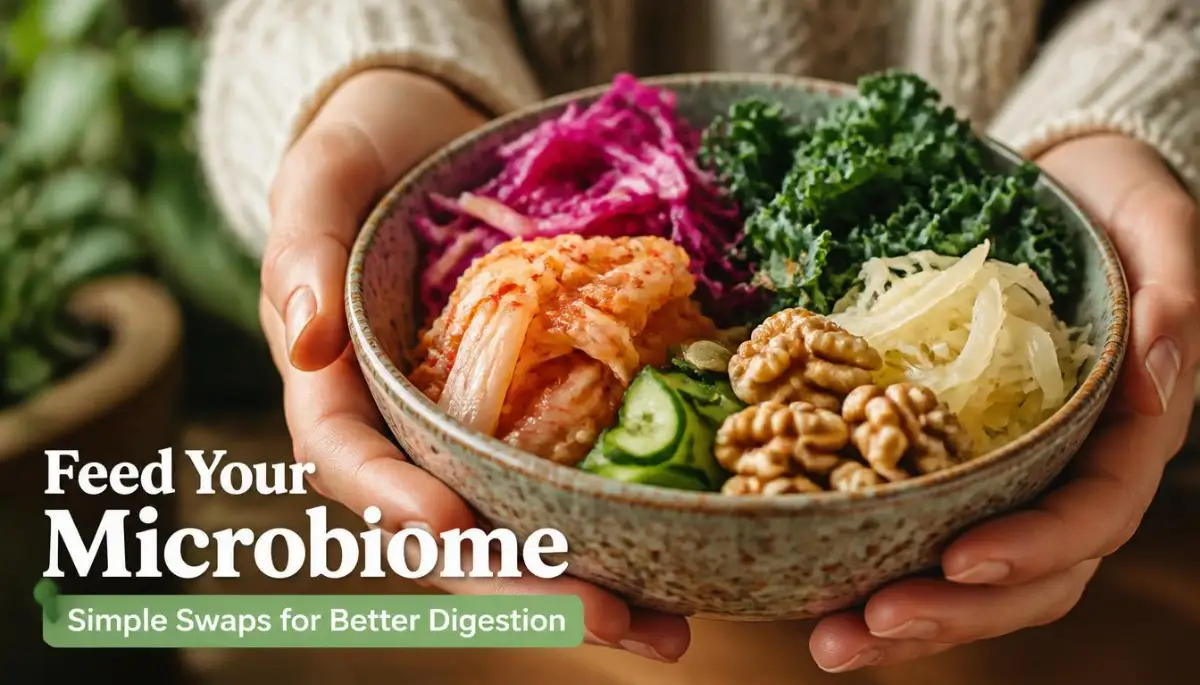
You can easily find these helpful bacteria in naturally fermented foods. A simple scoop of plain, unsweetened yogurt with your breakfast is a fantastic way to start.
If you prefer savory options, try adding a small side of traditional sauerkraut or spicy kimchi to your lunch plate. These simple food additions make a massive difference in how quickly your stomach empties itself.
The Secret Food for the Good Bugs: Prebiotics
Adding good bacteria to your system is only half of the winning strategy. Once those friendly bugs arrive in your stomach, they need something highly nutritious to eat. This is where prebiotics come into play.
Prebiotics are essentially tough plant fibers that your human stomach cannot easily digest on its own. However, your good gut bacteria absolutely love to eat this specific type of fiber.
When your good bugs feast on prebiotic foods, they grow stronger and multiply rapidly. This powerful combination of probiotics and prebiotics creates an unstoppable digestive environment.
You can naturally feed your good bacteria by eating raw garlic, fresh onions, slightly green bananas, and asparagus. Try sneaking these powerful ingredients into your daily salads or evening soups.
Myth vs Reality: The Truth About Digestive Supplements
There is an overwhelming amount of marketing noise specifically designed to confuse you about stomach health. Let us clearly separate the actual facts from the clever marketing fiction.
- Myth: You must buy a highly expensive daily probiotic pill to have good digestion.
- Reality: Getting your probiotics directly from real, fermented whole foods is far more effective and affordable.
- Myth: Eating a completely fat-free diet is the best way to heal your stomach.
- Reality: Your digestive tract requires healthy fats, like pure olive oil and avocados, to properly absorb vitamins.
- Myth: If you feel bloated, you should immediately stop drinking water.
- Reality: Water actually helps flush out the excess sodium that causes heavy water retention and bloating.
Protecting Your Gut from Hidden Daily Toxins
Eating the right foods is incredibly helpful, but it is not enough if you are constantly drinking toxic liquids. The modern diet is absolutely packed with artificial liquids that silently destroy your stomach lining over time.
You have to fiercely protect your internal environment from these invisible threats.
The Danger of Artificial Sweeteners
Many people switch to diet sodas, heavily believing they are making a smart, healthy choice for their bodies. Unfortunately, the artificial sweeteners used in these zero-calorie drinks are highly destructive to your gut microbiome.
Chemicals like aspartame and sucralose completely confuse your digestive system. Your good bacteria do not recognize these fake sugars as real food, which causes extreme bacterial die-off.
This chemical confusion leads to intense gas, sudden cramps, and totally unpredictable bowel movements. If you crave something sweet and bubbly, switch to plain sparkling water with a splash of real fruit juice instead.
The Heavy Impact of Alcohol
While a casual glass of wine with dinner is generally fine, heavy alcohol consumption is a disaster for your digestion. Alcohol is essentially a chemical solvent that directly attacks the sensitive mucosal lining of your stomach.
When this protective lining gets damaged, it causes severe inflammation and painful acid reflux. Furthermore, alcohol kills off both the good and bad bacteria indiscriminately, leaving your internal garden completely barren.
If you do choose to drink, always make sure you have a completely full stomach first. Drink one full glass of plain water for every single alcoholic beverage you consume to protect your system.
Building a naturally strong digestive system is a beautiful, deeply rewarding journey. It requires patience and a willingness to actually listen to the clear signals your body is sending you.
Mastering Your Internal Ecosystem: Pro-Level Digestion Secrets
Once you master the basic morning routines and simple food swaps, an entirely new level of physical comfort opens up for you. You no longer just survive your meals; you actually start to enjoy eating again without any hidden fears. At this stage, you can start applying advanced biological strategies to truly bulletproof your stomach.
The most powerful secret lies in understanding the direct communication line between your head and your stomach. Scientists call this physical connection the gut-brain axis, and it controls absolutely everything about how you digest food.
When you feel incredibly stressed or anxious at work, your brain instantly sends panic signals down your vagus nerve directly to your stomach. According to an amazing Harvard Medical School report on the gut-brain connection, this stress actually stops your digestion completely. Your body thinks you are in physical danger, so it shuts down your stomach to save energy.
If you try to eat a healthy salad while feeling intensely stressed, that food will simply sit inside you and rot. This creates a massive amount of trapped gas and painful bloating, even though you ate something technically healthy. You must learn to shift your body into a state of deep relaxation before you take your very first bite.
The Magic of the Ten-Breath Reset
You do not need to meditate for an hour to calm your nervous system down before dinner. You simply need to practice a technique called the "Ten-Breath Reset" right at the dining table. Before you pick up your fork, close your eyes and take ten deep, slow breaths into your lower belly.
This simple physical action manually overrides your stress hormones and activates your "rest and digest" mode. Your stomach instantly begins producing the correct acids, and your muscles relax to allow food to pass smoothly.
We can look at this through a very simple gardening analogy. If you want to stop killing your plants and save money as a beginner, you must completely understand their soil and environmental needs. Your delicate internal flora requires that exact same level of gentle environmental care to thrive.
Aligning Your Meals with the Sun
Another highly advanced secret is timing your meals to match your body's natural internal clock. Your digestive system is not designed to work late into the night when it is completely dark outside.
When the sun goes down, your stomach naturally slows down its muscle contractions and acid production. Eating a heavy, rich meal at nine o'clock at night forces your tired organs to work overtime while you sleep.
Fascinating research published by the National Institutes of Health shows that eating out of sync with your circadian rhythm directly harms your good bacteria. To wake up with a totally flat, comfortable stomach, you need to close your kitchen early.
Try to finish your very last bite of food at least three hours before your head hits the pillow. This gives your body plenty of time to sweep your stomach clean, allowing you to sleep deeply and peacefully.
The "Chew Your Liquids" Philosophy
Most people know they need to chew their solid food, but very few people understand how to handle thick liquids. If you love drinking thick protein shakes, heavy fruit smoothies, or blended soups, you might be making a huge mistake.
When you quickly swallow a massive gulp of a cold smoothie, your stomach gets a sudden, heavy shock. Because you did not chew, your mouth did not release the necessary digestive enzymes to break down all those raw fruits and proteins.
The pro-level secret is to literally "chew" your liquids before swallowing them. Simply hold the smoothie in your mouth for three to four seconds and move it around slightly. This mixes your saliva with the drink, pre-digesting the sugars and preventing sudden gas build-up in your lower intestines.

The Hidden Traps: Why Most Digestive Diets Fail
Even with the best intentions, people constantly fall into invisible traps when trying to fix their painful bloating. They get desperate for relief and start following extreme advice they find randomly on the internet. These mistakes not only waste your hard-earned money but can actually damage your internal ecosystem permanently.
If you know exactly what these dangerous pitfalls look like, you can easily protect yourself and keep your progress moving forward.
The Danger of Extreme Elimination Diets
When someone feels bloated after a meal, their first reaction is usually to completely ban certain foods from their life forever. They stop eating all bread, all dairy, all beans, and all natural sugars. They end up living on a miserable, boring diet of just plain chicken and white rice.
While taking a short break from heavy trigger foods is smart, completely eliminating entire food groups long-term is a massive disaster. Your good bacteria heavily rely on a wide variety of different plant fibers to stay alive and strong.
Leading experts at the American Gastroenterological Association constantly warn that highly restrictive diets actually starve your healthy microbiome. When your internal bacterial diversity drops, your digestion becomes even more sensitive and incredibly weak.
You should always aim to slowly add new, healthy foods to your plate rather than aggressively taking things away. Slowly reintroducing complex foods trains your stomach to handle them naturally again.
The Expensive Supplement Illusion
Walk into any health store, and you will see hundreds of shiny bottles promising to fix your stomach instantly. People spend hundreds of dollars every month on random digestive enzymes, detox teas, and magic green powders.
They swallow handfuls of pills every morning but continue to eat highly processed junk food and sleep terribly. You cannot out-supplement a highly stressful lifestyle and a poor daily diet.
Think of your internal stomach lining as a highly complex security wall. Just as a business needs an ultimate blueprint to secure a website and stop hackers, your body needs real, solid food to build a strong defense. Fake chemical detox teas actually strip away this natural protective lining, leaving your stomach raw and highly irritated.
Save your money and invest it in high-quality, fresh groceries instead of heavily marketed miracle pills. Real, fermented foods like natural yogurt and sauerkraut will always outperform a dead powder sitting inside a plastic capsule.
Ignoring the Hidden Toxins in "Healthy" Snacks
Many people proudly switch to diet protein bars and sugar-free snacks, believing they are making incredibly healthy choices. They look at the packaging, see the words "zero sugar," and assume it is perfectly safe for their stomach.
Unfortunately, these highly processed snacks are usually packed full of fake sugar alcohols like erythritol or xylitol. Your human stomach cannot digest these sweet chemicals, so they pass directly into your lower intestines intact.
Once there, your bad bacteria aggressively feed on these fake sugars, creating massive amounts of painful, trapped gas. This is why you often feel a heavy, bubbling sensation in your stomach immediately after eating a low-carb diet bar. Always check the ingredient list, and if it looks like a complicated science experiment, put it right back on the shelf.
Exercising Too Hard When Bloated
When your stomach feels huge and heavy, your natural instinct might be to go run five miles to "sweat it out." This is actually one of the absolute worst things you can do to an inflamed digestive system.
Heavy, high-intensity exercise forces your body to pull all the blood away from your stomach and send it to your leg muscles. Your digestive organs are left completely without the blood flow they need to process the food trapped inside you.
Instead of doing an intense, exhausting workout, you should focus on gentle, rhythmic movements. Taking a relaxed, twenty-minute walk around your neighborhood after dinner is the perfect way to gently massage your internal organs and push trapped gas out naturally.
Your Action Plan for Lifelong Digestive Freedom
Healing your stomach naturally is not about following a punishing set of impossible rules. It is simply about learning how to listen to the quiet signals your body sends you every single day.
You now understand that your stomach is a beautiful, living garden that requires gentle care, proper hydration, and the right kind of fiber. You know how to calm your nervous system before meals and why chewing your food completely changes everything.
Finding the perfect rhythm for your unique body will definitely take a little bit of patience. This testing process is exactly like discovering the real secret to building products that people actually love—you must carefully observe the feedback and make small, smart adjustments.
Do not try to change your entire life perfectly by tomorrow morning. Start with just one simple habit, like drinking a warm glass of lemon water before your morning coffee.
Once that feels totally natural, start adding a small spoonful of fermented foods to your afternoon lunch plate. These tiny, daily actions will compound over time, rebuilding your internal ecosystem from the ground up. For more simple, everyday lifestyle habits and advice, you can always check out the resources shared on topic36.com.
Imagine waking up a few weeks from now, completely free from the heavy burden of morning stomach pain. You can finally wear your favorite clothes without fear, and you will have abundant energy to get through your workday.
When your stomach is finally at peace, your whole world opens up. You can confidently book a long vacation and read the ultimate cultural etiquette guide for respectful travel without constantly worrying about finding a bathroom overseas.
I suffered for years thinking my broken digestion was just a permanent part of my life, but I was completely wrong. By treating my body with simple kindness and eating real foods, I completely healed my system, and my daily energy levels exploded. You have the exact same power to take control of your health and start feeling amazing, starting with your very next meal.
Common Questions About Healing Your Stomach
How long does it actually take to heal an inflamed stomach naturally?
Your stomach lining actually replaces its own cells very quickly, usually within a few days. However, completely rebuilding your internal bacterial garden can take anywhere from three weeks to a few months. It all depends on how strictly you stick to eating whole foods and managing your daily stress levels.
Are daily probiotic supplements really necessary for everyone?
No, expensive probiotic pills are definitely not required for a normal, healthy person. If you eat a diet rich in natural plant fibers and fermented foods, your body will naturally grow its own healthy bacteria. Supplements are only genuinely helpful if you are recovering from a heavy round of antibiotics.
What is the absolute fastest natural way to relieve sudden trapped gas?
The fastest way to get relief is to go for a gentle, ten-minute walk while taking deep belly breaths. You can also brew a strong cup of natural peppermint or ginger tea, which naturally relaxes the cramped muscles in your intestinal walls. Never lie down completely flat when you feel bloated, as this makes the painful pressure much worse.
Can severe stress alone cause physical stomach pain?
Yes, high emotional stress is actually one of the leading causes of severe digestive pain. Your brain and stomach are connected by a massive information highway called the vagus nerve. When your brain feels panic, it sends powerful physical spasms directly into your digestive tract.
Should I drink a lot of water while eating my main meals?
It is actually best to avoid drinking massive amounts of liquid while you are actively eating solid food. Drinking too much water during a meal can wash away your natural stomach acids, making it harder to break down proteins. Try to drink the majority of your daily water between meals instead.
Disclaimer: The health, wellness, and dietary information provided in this article is meant purely for educational and informational purposes. It should never replace professional medical advice, diagnosis, or targeted treatment. Individual digestive systems vary greatly, and what works for one person may not work perfectly for another. Always consult with a certified gastroenterologist or your primary doctor before making significant changes to your diet or starting any new wellness routine.