The Heavy Weight of Our Daily Choices
Do you ever look at the news and feel a heavy knot in your stomach? I know I do. Every time we hear about melting ice or strange weather, it feels like the world is moving toward a cliff.
You might feel small and think that one person cannot make a difference. It is easy to feel paralyzed when the problem looks so huge. Most of us want to help, but we just don't know where to start without quitting our jobs and moving to a forest.
The truth is, the pressure to be "perfectly green" is ruining our peace of mind. You don't have to be a perfect environmentalist to help the planet. You just need to be a conscious human being making better choices.
Is it even possible to live a normal life and still be Eco-friendly? This is the question that keeps many of us up at night. We worry about our children’s future while we drive to work or buy groceries wrapped in layers of plastic.
It feels like a trap. We are stuck in a system that makes it hard to be "good." But here is a secret: Small, messy changes from millions of people are better than one person being perfectly zero-waste.
We need to stop beating ourselves up and start looking at our habits with curiosity instead of guilt. Let's talk about how we can actually change things without losing our minds.

Transforming Your Home into an Energy Sanctuary
Changing how you use energy at home is the fastest way to see a drop in your carbon numbers. You don't need to install expensive solar panels on day one. Start with the things you touch every day.
Master Your Temperature Control
Heating and cooling usually take up the biggest part of your energy bill. A simple shift of just two degrees can save a lot of carbon over a year.
Try using a thick rug on the floor during cold months to keep the heat in. In the summer, keep your blinds closed during the day to block the sun. These are zero-cost ways to stay comfortable while helping the earth.
Switch to LED Lighting
If you are still using old bulbs, you are basically burning money and carbon for no reason. LED bulbs use about 75% less energy than old ones.
They also last much longer, which means less waste in the trash. It is one of the easiest "set it and forget it" changes you can make this week.
Rethinking Your Relationship with Food
What you put on your plate has a massive impact on the planet. You don't have to become a strict vegan overnight to make a dent in your footprint.
Embrace the "Plant-Forward" Plate
Meat production, especially beef, uses a lot of water and land. It also creates a lot of methane gas.
Try having two or three days a week where you eat only plants. Beans, lentils, and nuts are amazing sources of protein that have a very low carbon cost. You will likely feel lighter and have more energy too.
Stop the Food Waste Leak
Did you know that if food waste were a country, it would be the third-largest emitter of greenhouse gases? That is a shocking thought.
When we throw away a moldy tomato, we aren't just wasting the tomato. We are wasting the water, the transport fuel, and the labor that went into it. Plan your meals before you shop to make sure everything you buy gets eaten.
Buy Local and Seasonal
When you buy strawberries in the middle of winter, they probably traveled halfway around the world to get to you. That flight or ship ride adds a lot to your carbon footprint.
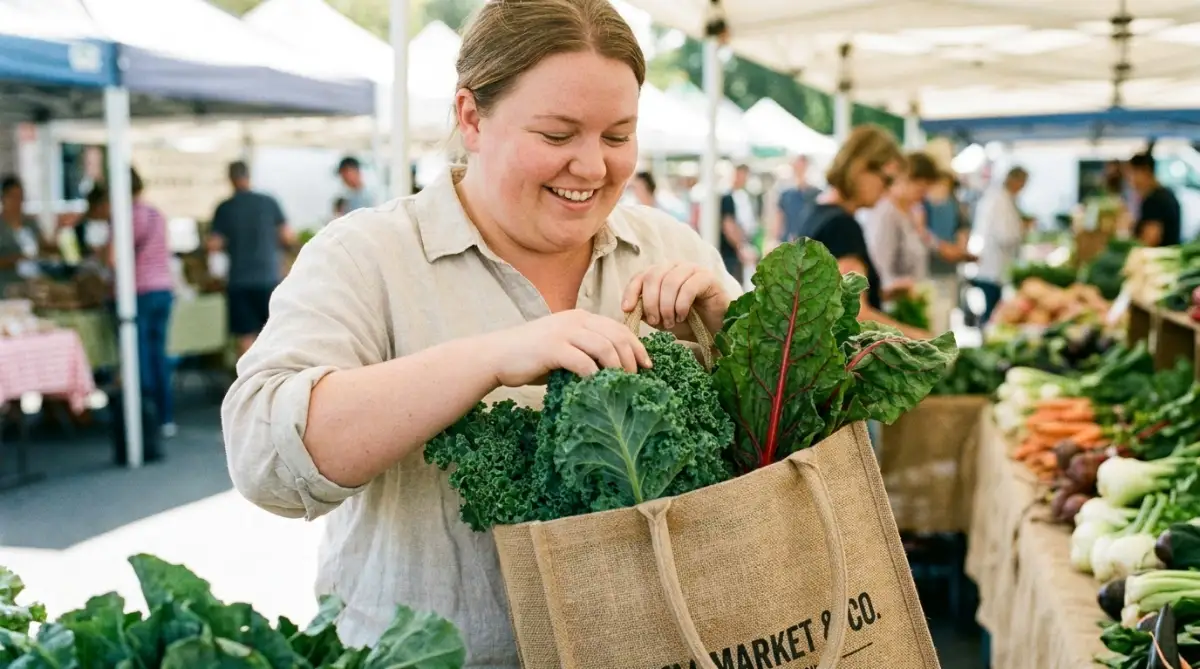
Visit your local farmer's market instead. The food is fresher, tastes better, and hasn't spent days in a cargo container. Supporting local farmers also keeps your community strong.
Moving from A to B with Intention
Transport is a major part of our individual carbon footprint. While we can't all buy electric cars today, we can change how we move.
The Power of Two Wheels or Two Feet
If your destination is less than two miles away, try walking or biking. It is great for your heart and costs nothing.
Most car trips are actually very short. By leaving the car in the driveway for small errands, you stop those "cold starts" that burn the most fuel. It's a win for your health and the air.
Public Transit and Carpooling
If you have to travel longer distances, look into buses or trains. One bus can take dozens of cars off the road.
If public transit isn't an option where you live, try carpooling with a coworker. You can share the fuel costs and have someone to talk to during the commute. Sharing a ride is a simple way to cut your emissions in half.
The Hidden Impact of Your Wardrobe
The "fast fashion" industry is one of the biggest polluters in the world. We are buying more clothes than ever and wearing them less.
Choose Quality Over Quantity
Instead of buying five cheap shirts that will fall apart in a month, buy one high-quality shirt. It might cost more at first, but it will last for years.
Look for natural fabrics like organic cotton, linen, or hemp. These materials are much easier on the soil and don't shed microplastics in the wash.
The Magic of Second-Hand
Thrift stores and online resale apps are gold mines. You can find unique pieces that no one else has.
By buying used, you are giving a second life to an item that has already been produced. This stops the cycle of constant production and waste. It’s also a fun way to develop a personal style that isn't dictated by a big mall store.
Water Conservation: Every Drop Counts
We often forget that cleaning and pumping water requires a lot of energy. Saving water is a direct way to save energy.
Fix Those Leaky Faucets
A small drip might not seem like a big deal, but it can waste hundreds of gallons a year. Fix leaks as soon as you see them.
Usually, it just takes a cheap rubber washer to stop a leak. It’s a five-minute job that saves a lot of resources.
Shorter Showers, Greener Soul
Try to keep your showers under five minutes. You can even use a timer or a favorite song to keep track.
If you switch to a low-flow shower head, you can save even more without losing water pressure. It feels just as good but uses much less hot water.
Breaking the Cycle of Single-Use Plastic
Plastic is made from fossil fuels, and most of it is never recycled. It stays in our oceans and soil for hundreds of years.
The "Big Three" Reusable
If you carry three things with you, you can avoid most daily plastic waste:
- A reusable water bottle.
- A cloth shopping bag.
- A travel coffee mug.
Keep these in your car or bag so you are never caught without them. It becomes a habit very quickly.
Say No to Straws and Cutlery
When you order takeout, tell the restaurant you don't need plastic forks or straws. You likely have metal ones at home anyway.
Small "nos" add up to a big "yes" for the environment. Being a "ref user" is a powerful act of protest against a throwaway culture.
Mindful Consumption: Do You Really Need It?
The biggest way to reduce your footprint is to simply buy less stuff. Every product has a "hidden" carbon cost from its birth to its death.
The 30-Day Rule
Before you buy something that isn't a necessity, wait 30 days. Often, the urge to buy it will pass.
This helps you avoid impulse buys that end up in the back of a closet or in the trash. Living with less clutter actually makes most people feel much calmer.
Repair Instead of Replace
When something breaks, our first thought is often to throw it away. Try to fix it first.
There are thousands of YouTube tutorials for fixing electronics, clothes, and furniture. Learning a new skill is rewarding and keeps items out of the landfill. It also saves you a lot of money over time.
Why Your Voice Matters More Than Your Trash
Individual changes are great, but talking about them is even better. You can inspire your friends, family, and coworkers.
Lead by Example, Not by Preaching
People don't like being told what to do. But they love seeing a friend who is happy and saving money.
When people see you using a cool reusable bag or cooking a delicious plant-based meal, they will ask questions. Share your journey with kindness and honesty. Show them that a sustainable life is a better life, not a harder one.
Support Green Businesses
Use your money to vote for the world you want. When you buy from companies that care about the earth, you help them grow.
Look for companies that use plastic-free packaging or have fair labor practices. Your wallet is a powerful tool for change. When big companies see that people want green options, they will change their ways to keep up.
Understanding the "Carbon Ripple Effect"
When you make a change, it doesn't stop with you. It creates a ripple.
Your neighbors see your compost bin. Your kids learn to turn off the lights. Your office starts a recycling program because you asked. You are a leader in your own circle, whether you know it or not.
Living sustainably is not about being a saint. It is about being a good ancestor. It is about making sure the people who come after us have a beautiful world to enjoy. Each small step is a seed for a greener future.
Let's keep moving forward, one small habit at a time. You have the power to make a difference, starting right now.
Taking Your Green Journey to the Next Level
You have already mastered the basics of recycling and turning off the lights. Now, it is time to look at the invisible parts of your life that still leave a heavy mark on the planet. Most people don't realize that their digital habits and even their bank accounts have a carbon cost.
One of the most overlooked areas is your digital carbon footprint. Every email you store, every video you stream, and every cloud backup uses massive data centers. These centers run all day and night, requiring huge amounts of electricity and water for cooling.
You can make a real difference by simply cleaning out your inbox. Deleting old, useless emails and unsubscribing from newsletters you never read reduces the load on those servers. It seems like a small thing, but when millions of us do it, the energy savings are massive.
Another expert secret is looking at where your money "sleeps." Many large banks use the money in your savings account to fund oil pipelines or coal mines. By moving your money to a "green bank" or a local credit union, you ensure your savings aren't working against the planet while you sleep.
According to research from organizations like The Nature Conservancy, moving your finances to an ethical provider can actually have a bigger impact than many other lifestyle changes combined. It is a powerful way to use your "financial voice" for good.
Smart Home Mastery and Insulation
If you want to stay Eco-friendly for the long haul, you must look at your home’s bones. Most houses leak heat in the winter and cool air in the summer through tiny cracks around windows and doors.
Using simple weather stripping or "draft stoppers" can keep your home temperature stable without making your AC work overtime. If you have the budget, adding extra insulation to your attic is one of the best ways to permanently lower your energy needs.
You might also consider a smart thermostat. These gadgets learn your schedule and automatically lower the heat when you are at work or sleeping. This removes the "human error" factor and keeps your carbon footprint low without you having to think about it every single day.
The Power of Regenerative Living
Instead of just trying to "do less harm," try to do some good with your outdoor space. Even if you only have a small balcony, you can practice regenerative habits.
Planting native flowers helps support local bees and butterflies, which are essential for our food system. If you have a yard, stop using chemical fertilizers that run off into local water supplies. Instead, use that rich compost you started making in Part 1 of this guide.
When you care for your soil, the soil traps more carbon from the air. This turns your backyard into a tiny carbon sink. It is a beautiful way to give back to the earth while enjoying a lush, green space at home.
Thinking About Your Technology
We live in a world where we are told to upgrade our phones every year. But the mining process for the metals inside those phones is very hard on the environment.
The most sustainable phone is the one you already own. If your battery is getting weak, look into getting it replaced instead of buying a whole new device. If you are moving toward a greener commute, you should also learn about simple habits to protect your electric vehicle battery life to make your tech last as long as possible.
Making your gadgets last for four or five years instead of two can cut your tech-related footprint in half. It also saves you thousands of dollars over time. Being a "slow tech" user is a badge of honor in the green community.
The Hidden Mistakes That Slow You Down
Many well-meaning people fall into common traps that actually hurt their progress. The biggest one is the "Eco-Buying" Trap. This happens when you see a beautiful new set of glass jars or "sustainable" kitchen gadgets and feel like you must buy them to be green.
If you throw away perfectly good plastic containers just to buy glass ones, you are actually creating more waste. The greenest item is usually the one you already have in your cupboard. Don't let marketing make you feel like you need to shop your way into a sustainable life.
Another trap is "All-or-Nothing" Thinking. I have seen people get so stressed about using one plastic straw that they give up on their entire green journey. They feel like if they can't be perfect, there is no point in trying at all.
This mindset is very dangerous. It leads to burnout and guilt, which are the enemies of long-term change. Remember, we don't need a few people doing zero-waste perfectly; we need millions of people doing it imperfectly.
The Danger of Ignoring the "Invisible" Carbon
Sometimes we focus so much on the trash we can see that we ignore the emissions we can't see. For example, ordering "next-day delivery" for a single item creates a huge amount of transport pollution.
Trucks have to run half-empty to meet those fast deadlines. By choosing standard shipping or "no-rush" options, you allow companies to plan more efficient routes. This simple choice significantly lowers the carbon cost of your online shopping.
You should also be careful with how you maintain your greener machines. If you have made the switch to a cleaner car, ignoring maintenance is a big mistake. You can find out more about this in the ultimate guide to hybrid engine care to ensure your vehicle stays efficient.
Falling for "Green washing"
Many companies use green colors and words like "natural" or "Eco-friendly" on their packaging without actually changing their ways. This is called green washing.
It is designed to make you feel good about buying their product, even if it is still bad for the planet. Always look for real certifications, like "Fair Trade" or "Global Organic Textile Standard," instead of just trusting the pictures on the box.
If a company's claims seem too good to be true, they probably are. Take five minutes to search for their environmental record online before you give them your money. Being a skeptical consumer is one of the best ways to protect the earth.
Your Path Toward a Greener Tomorrow
Living a sustainable life is not a race to a finish line. It is a slow, steady walk toward a better way of existing on this planet. You are learning to live with intention and care, which is something to be proud of.
Every time you choose a standard shipping option, repair a broken tool, or delete old digital files, you are voting for the future. You are telling the world that you care about the air we breathe and the water we drink.
Don't let the size of the problem make you feel small. You are part of a global movement of people who are waking up to their own power. Your choices matter. They influence your friends, your family, and even the companies you buy from.
An Action Plan for the Coming Week
If you feel overwhelmed, just pick one thing from this list to do this week:
- Clean out 500 old emails from your archive.
- Check the air pressure in your tires to improve fuel efficiency.
- Look at your bank's website to see what they fund.
- Fix one leaky faucet or drafty window.
Once you finish one, you will feel a sense of accomplishment and momentum. That feeling is what will keep you going for years to come. You are not alone in this; we are all learning together.
You can even use tools like the EPA Household Carbon Footprint Calculator to see exactly where your efforts are paying off. Seeing those numbers go down is incredibly motivating.
A Message from the Heart
The earth is resilient, but it needs our help to heal. By making these changes, you are showing respect for the natural world that supports us all. You are choosing life and health over convenience and waste.
Keep your head held high and your heart open. Mistakes will happen, and that is okay. Just get back on track the next day. The journey to a low-carbon life is one of the most rewarding things you will ever do.
Start where you are, use what you have, and do what you can. The future is waiting for us, and together, we can make it a bright and green one.