
The Weight of a Silent Dream: When Your Vision Stays Trapped in Your Head
You have a brilliant idea. You can see it clearly when you close your eyes. You imagine the office, the happy customers, and the moment your product changes the market. But then, you sit down to talk to a bank manager or a potential partner. Suddenly, the words don’t come out right.
You feel that sharp sting of anxiety in your chest. You know your idea is gold, but on paper, it looks like a mess. This is the silent struggle of thousands of founders. They have the passion, but they lack the bridge.
That bridge is a solid business plan. Without it, you are just someone with a hobby, not a business owner. It is heartbreaking to watch a great idea die because the creator couldn't explain the "how" and the "why" to the people with the money.
I have seen people lose sleep for weeks, wondering why no one takes them seriously. They send out emails and get no replies. They attend networking events but leave with empty pockets. It feels like you are shouting into a dark room and hearing no echo.
The reality is that stakeholders are busy people. They don't have time to dig for the treasure in your mind. If you don't show them the map, they will walk away. It isn't just about money; it is about your peace of mind and the survival of your dream.
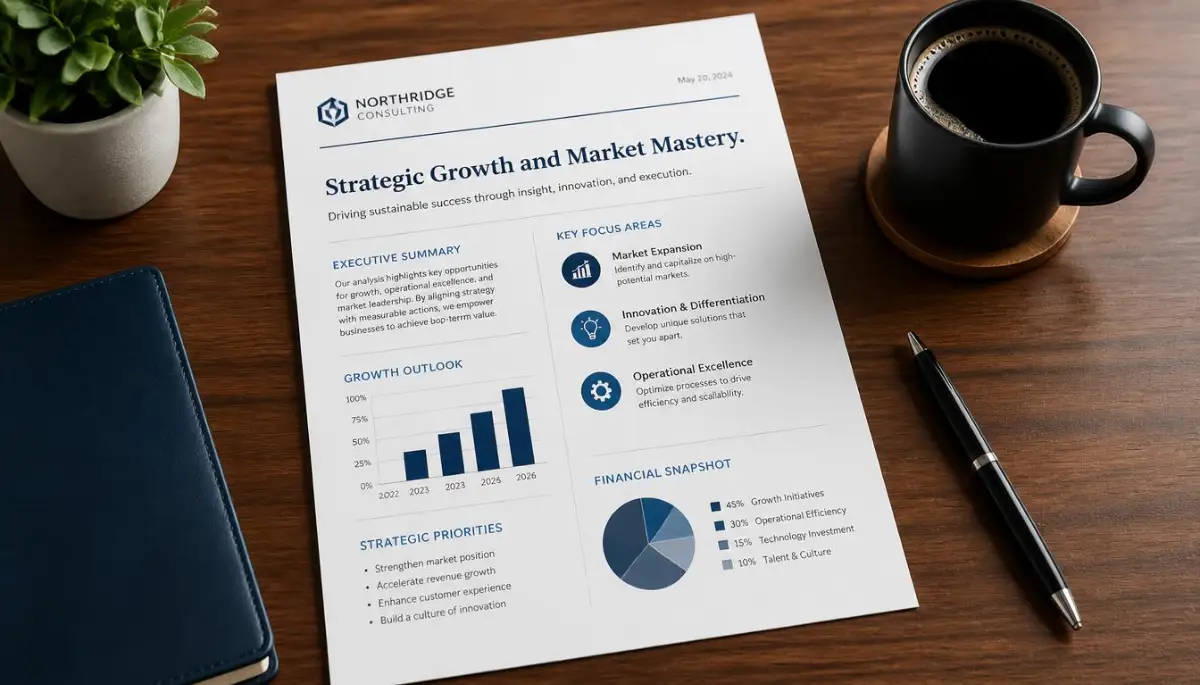
Building the Foundation: Defining Your Unique Purpose
Most people start their business plan by looking for a template. They fill in the blanks like a school assignment. This is a huge mistake. A stakeholder doesn't want a template; they want to see your soul and your logic combined.
The Power of the Hook
Your first page is the only one that matters if it fails to grab attention. Think of it like a movie trailer. If the trailer is boring, nobody buys a ticket. You must state exactly what problem you are solving in the first three sentences.
Avoid being vague. Don't say you want to "help people." Say you want to "reduce the cost of organic groceries by 20% for urban families." Specific numbers build trust. When you use real data, you show that you have done your homework.
Mapping the Market: Proving the Demand
Stakeholders fear one thing more than anything else: a product that nobody wants. You need to prove that there is a "hunger" for what you are cooking. This is where you look at the people you want to serve.
Know Your Audience Better Than They Know Themselves
Don't just say your market is "everyone." That is a sign of an amateur. Instead, describe a specific person. Talk about their age, their habits, and their frustrations.
Analyze the Competition Without Fear
Many founders try to hide their competitors. They think it makes them look better. In reality, it makes you look blind. List your rivals and explain why you are different.
Are you faster? Are you cheaper? Or do you offer a better experience? Being different is better than being "better." Stakeholders look for a unique edge that others cannot easily copy.
The Operational Engine: How the Magic Happens
Once you prove people want your product, you must show how you will deliver it. This is the "bones" of your business. It is not the most exciting part, but it is what keeps the lights on.
Team Dynamics and Leadership
People invest in people, not just ideas. If you have a team, highlight their strengths. If you are alone, show who you plan to hire. A stakeholder wants to see a captain who knows how to steer the ship.
Daily Workflows and Systems
Describe how the product goes from an idea to the customer’s hand. Do you have a supplier? Do you have a warehouse? Simplicity is key here. If your operations are too complex, they look expensive and risky.
The Financial Roadmap: Speaking the Language of Money
Now we get to the part that makes most creators nervous. The numbers. You don't need to be a math genius, but you do need to be honest. Lying with numbers is the fastest way to lose a stakeholder forever.
Realistic Projections
Don't promise to be a billionaire in six months. It looks fake. Show a slow, steady climb. Use three scenarios: the "Best Case," the "Most Likely Case," and the "Worst Case." This shows you are prepared for reality.
The "Ask" and the "Give"
Be very clear about what you need. If you need fifty thousand dollars, say it. Then, explain exactly where every dollar goes. "Marketing" is too broad. "Social media ads for the local region" is much better.
Managing Risks: Showing Your Maturity
Every business has risks. Pretending they don't exist is a red flag. A professional business plan lists the things that could go wrong. This is not being negative; it is being prepared.
What Happens if the Market Changes?
If a new law passes or a new competitor arrives, what will you do? Having a "Plan B" makes you look like a seasoned pro. It tells stakeholders that their money is safe with you because you are thinking ahead.
The Exit Strategy
This sounds strange when you are just starting, but investors want to know how they get their money back. Are you going to sell the company one day? Or will you pay them back from the profits? Give them a clear finish line.
The Art of the Executive Summary
Even though this is the first part of your plan, you should write it last. It is a summary of everything you have built. It needs to be punchy, clear, and full of energy.
Use Strong, Simple Language
Stay away from big words that don't mean much. Use short sentences. Instead of saying "We utilize advanced technological paradigms," just say "We use smart tech to save time."
The Call to Action
End your summary with a clear next step. Do you want them to call you for a meeting? Do you want them to visit your website? Don't leave them guessing. Tell them exactly what to do next.
Why Visuals Matter More Than You Think
A wall of text is scary. Even the best business plan can be ruined by bad formatting. Use plenty of white space. People are reading on phones and tablets these days. They want to scan the headings quickly.
Using Charts and Graphs
A single chart showing growth can replace five paragraphs of text. It makes your data easy to digest. Make sure your charts are clean and don't use too many colors.
Consistent Branding
Your business plan should look like your brand. Use the same colors and fonts you plan to use in your shop or on your website. This shows that you have a consistent vision. Details matter. A clean document shows a clean mind.
Mastering the Hidden Language of High-Level Stakeholders
Writing a plan is one thing. Making it speak the language of a seasoned investor is another. Most people think they need more data to look professional.
In reality, stakeholders are looking for a story that makes sense. They want to see a clear path from a small spark to a roaring fire. If you give them a pile of numbers without a story, they will get bored.
The Power of the Emotional Narrative
Think of your business plan like a map for a journey. You are the guide, and the stakeholder is the person joining the trip. You must explain why this journey matters.
Why are you the right person to lead? If you don't answer that, the best numbers in the world won't save you. People invest in the "Why" long before they care about the "How."
Stress Testing Your Own Business Model
Before you show your plan to anyone, you must try to break it. This is what the pros do. They look for every possible hole in their logic and patch it up.
The "What If" Scenario Session
What happens if your main supplier doubles their prices? What if a big brand enters your small market? You should have an answer for these things in your plan.
When you show that you have thought about the bad days, you look like a leader. It shows you aren't just a dreamer. It shows you are a strategist who knows how to manage personal and business financial health.
The Margin of Safety
Always build a cushion into your financial plans. If you think you need ten thousand dollars, ask for twelve. Stakeholders know that things always cost more than we expect.
Showing a "safety buffer" makes you look mature. It tells the investor that you respect their money. It proves you aren't living in a fantasy world where everything goes perfectly.
Using Psychology to Win the Room
Stakeholders are humans, not robots. They have fears, hopes, and biases. You can use simple psychological tricks to make your plan more attractive.
The Principle of Scarcity
Don't make it sound like you are begging. Make it sound like an opportunity they might miss. You aren't asking for a favor; you are offering a partnership.
Social Proof and Pilot Data
If you have already sold one product, talk about it. If ten people signed up for your wait list, mention it. Small wins are proof that your idea works in the real world.
Even a tiny bit of real-world evidence is worth more than a hundred pages of theory. It shows that you are a "doer" and not just a "talker."
Advanced Data Visualization for Clarity
Modern stakeholders have very short attention spans. They don't want to read a twenty-page table of numbers. They want to see a trend.
The Ten-Second Rule
Every chart in your plan should tell a story in ten seconds. If it takes longer than that to understand, it is too complex. Clean lines and clear labels are your best friends.
Use colors to highlight growth. Use bold fonts for the most important numbers. You want their eyes to go exactly where you want them to go.
If your business involves new technology, like the power of blockchain mechanics, keep the explanation simple. Focus on the benefits for the customer, not the code behind it. Stakeholders care about value, not just the technical details.

The Invisible Walls: Why Some Plans Are Instantly Rejected
There are mistakes that act like "silent killers." You might have a great idea, but one small error can make a stakeholder close the book. These errors often come from a place of pride or lack of research.
The Myth of Having "No Competition"
Many founders say, "We have no competitors." This is a massive red flag. To a stakeholder, this means one of two things.
Either you haven't researched the market, or there is no market for your idea. There is always competition. Even if it is just "doing nothing," that is still a rival for the customer's money.
Ignoring the Boring Parts
Some people focus only on the marketing and the product. They ignore the legal stuff, the taxes, and the insurance. This makes you look like an amateur.
A stakeholder wants to know that you won't get shut down by a simple law. Show that you understand the rules of the game. For example, knowing the facts about renting versus owning business space can save you from a huge mistake.
The Danger of the "Hockey Stick" Projection
We have all seen it. A graph that shows zero sales today and millions tomorrow. This is called a "hockey stick" graph, and most investors hate it.
The Trap of Over-Optimism
If your growth looks too easy, it looks like a lie. Investors know that growth is hard. It is messy and slow at first.
Instead of showing a vertical line, show a stair-step growth. Explain why each step happens. This makes your plan feel grounded in reality.
Failure to Mention the Team's Weakness
No team is perfect. If you pretend you have every skill covered, you look dishonest. It is much better to say, "We are great at building, but we need a sales expert."
This tells the stakeholder exactly where their help or money is needed. It shows honesty, and honesty is the foundation of any good partnership.
Emotional Burnout and the Founder’s Health
Writing a plan is exhausting. Many people give up halfway through. They get overwhelmed by the numbers and the pressure.
The Mental Cost of a Bad Plan
When you don't have a clear plan, you spend every day putting out fires. This leads to burnout very quickly. A good plan isn't just for investors; it is for your own peace of mind.
It acts as a guide for when you feel lost. It reminds you of why you started. Without it, you are just running in circles, and that is how great founders lose their spark.
Your 24-Hour Action Plan for Success
You don't need to finish the whole plan today. You just need to take the next step. Action is the best cure for fear and doubt.
Step 1: The One-Page Summary
Write down your business idea in just three paragraphs. If you can't explain it simply, you don't understand it yet. Do this before you touch any complex software.
Step 2: Talk to One Potential Customer
Ask someone if they would actually buy what you are making. Don't ask your mom; she will be too nice. Ask a stranger or a business peer.
Step 3: Review Your Financial Goals
Look at your bank account and your projected costs. Be brutally honest about what you need to survive for the first six months.
A Final Message for the Brave Founder
The world needs your idea. It needs the solution you are building. But the world is also a noisy place, and you need to be heard.
A comprehensive business plan is your megaphone. It allows you to speak clearly to the people who can help you reach the top. It turns your dream into a concrete reality that others can see and touch.
Don't let the fear of "getting it wrong" stop you. Every great business started as a messy draft. The difference between a dreamer and a founder is that the founder kept writing.
Take a deep breath. Open a fresh page. Start with the problem you want to solve. You have the vision, and now you have the tools to share it with the world.
![The Ultimate Guide to Managing Startup Cash Flow [Step-by-Step]](https://topic36.com/storage/uploads/blogs/1787642049_the-ultimate-guide-to-managing-startup-cash-flow-step-by-step.webp)