The Quiet Anxiety of Staring at a Blank Canvas
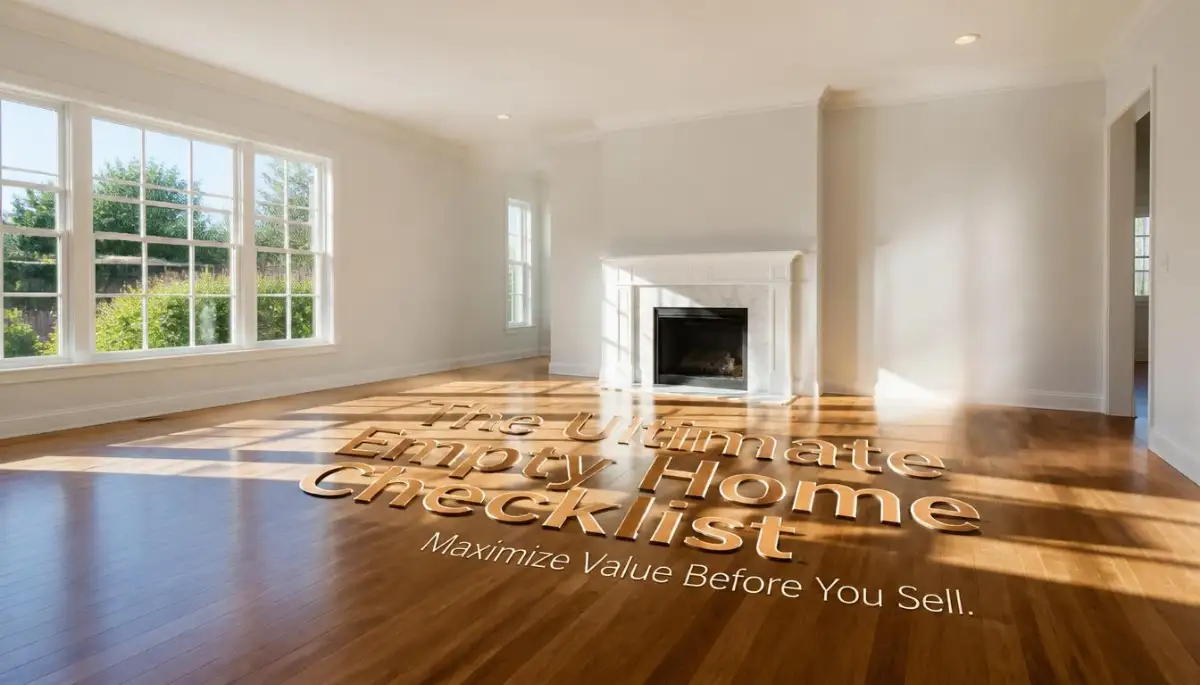
I still remember standing right in the middle of my completely empty living room, listening to the lonely echo of my own footsteps. I honestly thought selling an empty house would be the easiest thing in the world. I figured there was no messy clutter to hide the actual space, so buyers would instantly fall in love with the blank canvas.
I was completely wrong.
Without furniture, rugs, or artwork to distract the eye, every tiny scratch on the hardwood floor suddenly looked like a massive canyon. Every small smudge on the white wall felt like a glaring red flag.
Buyers would walk in, stare blankly at the empty rooms, and leave within three minutes. They simply could not imagine their own families living in such a cold, hollow space.
It was an incredibly stressful time for me. I was losing sleep every night, constantly worrying about the financial drain of paying two mortgages at the same time. On top of that, an empty house is a magnet for dust, dead bugs on the windowsills, and an uninviting stale smell that just screams "abandonment."
Regular homeowners face this exact same nightmare every single day. The mental peace you expect to feel after moving out is quickly replaced by the heavy burden of keeping a vacant property safe, clean, and attractive.
When a house sits empty for weeks, the utility bills still roll in, and the fear of property damage or vandalism slowly creeps into your mind. You just want the property sold, but the buyers keep throwing lowball offers because an empty house naturally feels less valuable to them.

Transforming the Hollow Space: A Practical Blueprint to Maximize Property Value
Selling an empty home requires a completely different strategy than selling a fully furnished one. You have to create an illusion of warmth and security without actually filling the rooms with heavy furniture.
Before we jump into the actionable steps, let us clear up a massive misunderstanding in the real estate world.
Myth vs. Reality in Vacant Home Sales
- The Myth: Empty rooms look much bigger because there is nothing taking up floor space.
- The Reality: Empty rooms actually look significantly smaller. Without a bed or a sofa to provide scale, buyers cannot visually measure if their own furniture will fit.
To overcome this psychological barrier, we need to address the property systematically. Let us look at the most effective ways to prepare your empty home right now.
Securing the Perimeter and Protecting Your Investment
An empty house is incredibly vulnerable. The very first thing you must do before allowing any real estate agent to bring in buyers is to secure the property.
Burglars and vandals can easily spot a home that has been sitting empty. You need to make the house look lived-in, even when nobody is there.
Start by installing a few affordable, motion-sensor smart lights around the exterior of the house. You can connect these lights to a simple mobile app and set them on a random timer.
When lights turn on and off at different times in the evening, people naturally assume someone is home.
Inside the house, set up a basic smart plug connected to a small radio or a living room lamp. It costs almost nothing, but this simple trick adds a massive layer of security to your investment.
Also, call your insurance agent immediately. Most standard homeowner policies do not cover damages if the property sits vacant for more than 30 days. You will need to switch to a specific vacant property insurance policy to protect yourself from unexpected disasters like burst pipes or vandalism.
The Power of an Extreme Deep Clean
When a room is empty, dirt has absolutely nowhere to hide. A buyer walking through an empty hallway will notice a single dead spider on the floor from ten feet away.
You must hire a professional cleaning crew to perform an extreme deep clean. This is not just a standard weekend sweep and mop.
They need to scrub the baseboards, wipe down the tops of the kitchen cabinets, and polish every single window inside and out. Clean windows let in maximum natural light, which is your best friend when selling a vacant property.
Pay special attention to the bathrooms and the kitchen. Without shower curtains or fluffy towels to soften the look, any mildew on the bathroom grout will stand out immediately.
I strongly recommend steam cleaning any existing carpets. If a buyer smells old pet odors in an empty house, they will instantly calculate the cost of replacing all the flooring and deduct that from their offer.
Fixing the Glaring Flaws and Minor Imperfections
In a furnished house, a large area rug easily covers up a bad scratch on the wood floor. In an empty house, that exact same scratch becomes the center of attention.
Take a roll of blue painter’s tape and walk through every single room in your house. Be highly critical. Stick a piece of tape next to every chipped baseboard, every nail hole in the drywall, and every scuffed door frame.
Pro Tip: I made a massive mistake by ignoring a squeaky front door hinge because I was so used to hearing it for years. A potential buyer walked in, heard the loud creak, and immediately asked the agent if the house had structural foundation issues! I quickly learned that WD-40 costs three dollars, but ignoring a squeak can cost you thousands in lost offers.
Once you have marked all the flaws with blue tape, spend a weekend patching the drywall holes and touching up the paint.
Speaking of paint, a fresh coat of warm, neutral paint is the highest return on investment you can make on an empty home. Choose soft, inviting colors like warm beige or light gray. Stark, hospital-white walls can make an empty house feel like a cold, uninviting institution.
Controlling the Climate and the Atmosphere
One of the biggest mistakes sellers make is completely shutting off the utilities to save a few dollars. Never do this.
If a buyer walks into a freezing cold house in the winter or a boiling hot house in the summer, they will rush through the showing just to escape.
You want buyers to linger, look around, and feel perfectly comfortable. Set your smart thermostat to a comfortable 72 degrees. The minor cost of keeping the air conditioning or heating running is nothing compared to the value of a strong buyer offer.
YouTube Video Embed Section:
If you want to see exactly how professional designers add warmth to a totally empty room using simple lighting tricks, watch this incredible short guide below!
Along with temperature, pay close attention to the smell of the house. Empty houses trap stale air.
Do not use overpowering, cheap air fresheners that smell like fake pine or heavy vanilla. Buyers will immediately think you are trying to hide the smell of mold or water damage.
Instead, leave a few subtle, natural odor absorbers around the house, like bowls of baking soda hidden in the closets. Crack the windows for a few hours before an open house to let fresh air circulate naturally.
Adding Strategic "Soft Staging" Elements
You do not necessarily need to rent an entire house full of expensive furniture to make the property feel inviting. Instead, you can use a highly effective technique called "soft staging."
Soft staging means bringing in small, strategic accessories to break up the coldness of empty rooms without actually moving in heavy couches or beds.
For the kitchen, simply place a clean, decorative towel over the oven handle. Put a small, vibrant bowl of fresh green apples on the bare kitchen island.
In the main bathroom, hang a thick, luxurious white towel on the rack and place a small, high-quality bar of wrapped soap by the sink.
These tiny, inexpensive details completely change the psychology of the buyer. Instead of feeling like they are inspecting an abandoned building, they feel like they are walking into a fresh, clean hotel room.
Soft staging provides a visual anchor for the buyer's eyes, making the space feel human again.
If you have a slightly larger budget, consider placing a simple, modern welcome mat at the front door and maybe one tasteful, large canvas painting on the main living room wall. This single piece of art gives the room a focal point and absorbs some of the empty echoing sound.
Upgrading the Hardware and Fixtures
When a house is empty, the permanent fixtures become the stars of the show. If your kitchen cabinets have old, tarnished brass handles from twenty years ago, they will look incredibly outdated against empty walls.
You can completely modernize a kitchen for under fifty dollars simply by unscrewing the old cabinet pulls and installing sleek, matte black or brushed nickel hardware.
Apply this same logic to your lighting fixtures. An old, dusty ceiling fan with yellowing glass shades will make the whole room feel depressing.
Replace outdated light fixtures with bright, modern LED flush mounts. Make sure every single light bulb in the house is working perfectly.
I highly suggest using "Daylight" or "Soft White" bulbs consistently throughout the house. Mixing yellow bulbs in the kitchen with blue-toned daylight bulbs in the hallway creates a very jarring, uncomfortable feeling for buyers.
Uniform, bright lighting makes an empty house feel cheerful, spacious, and brand new.
Maximizing the Exterior First Impression (Curb Appeal)
When a house is vacant, the outside often deteriorates faster than the inside. Buyers will judge the entire condition of your property before they even step out of their car.
If the grass is overgrown and dead leaves are piling up on the porch, buyers will subconsciously assume the inside of the house is also neglected.
Hire a local landscaping company to maintain the yard weekly while the house is on the market. The grass must be neatly edged, and the bushes must be perfectly trimmed.
Power wash the driveway, the front walkway, and the exterior siding. Over time, a thin layer of green algae and brown dirt builds up on the exterior, making the house look older than it really is.
A power washer blasts away years of dirt in just a few hours, instantly making the property look fresh and well-maintained.
Take a close look at your mailbox and your house numbers. Are the numbers fading? Is the mailbox rusty? Replace them.
Buy a set of modern, large house numbers that can be easily seen from the street. Paint your front door a bold, welcoming color like deep navy blue or rich charcoal.
These small exterior upgrades create a powerful emotional connection. When a buyer walks up to a clean driveway, sees crisp landscaping, and opens a freshly painted front door, they are already in a positive mindset before they even see the empty living room.
Master-Level Strategies to Maintain and Market a Vacant Property
Now that your home is secure, clean, and visually appealing, we need to focus on keeping it that way. Selling a home is rarely an overnight process.
Your property might sit on the market for a few weeks, and maintaining that perfect "opening day" look requires a very specific game plan. Let us explore some expert-level tactics that top real estate professionals use to sell empty homes quickly.
Keep the Digital Heartbeat Alive
Many homeowners completely disconnect their internet service the day they move out. This is a massive missed opportunity for protecting and marketing your property.
You need an active Wi-Fi connection to run your smart security cameras, motion lights, and smart thermostats. If you are struggling with a weak signal reaching the front porch cameras, you should look into simple ways to fix your slow internet connection before listing the house.
A reliable internet connection allows you to control the home's environment from your smartphone, no matter where you currently live. You can turn on the porch lights right before an evening showing or adjust the heat if a sudden cold snap hits.
Leverage the Magic of Virtual Staging
If you simply cannot afford to rent physical furniture for soft staging, technology offers an incredible alternative. Virtual staging has completely changed how buyers view empty homes online.
A professional graphic designer can take high-quality photos of your empty rooms and digitally insert beautiful, scale-accurate furniture into the pictures. According to recent survey data from the National Association of Realtors, staged homes spend significantly less time on the market compared to non-staged homes.
When buyers scroll through online listings, they see a beautifully furnished living room that captures their imagination. When they arrive at the actual house, you can leave a printed brochure on the kitchen counter featuring those exact virtually staged photos.
This helps them connect the empty physical space they are standing in with the beautiful potential they saw online. It bridges the imagination gap perfectly.
The "Sewer Gas" Prevention Trick
This is an extremely unpleasant topic, but ignoring it can completely ruin a home sale. When a house sits empty, nobody is flushing the toilets or running the sinks.
The water that usually sits in the "P-trap" under your drains slowly evaporates. Once that water barrier is gone, foul-smelling sewer gases drift directly up the pipes and fill your house.
Imagine a buyer walking into your perfectly clean home, only to be hit with the overwhelming smell of a city sewer.
To prevent this, you or your real estate agent must visit the property once a week. Simply flush every single toilet and run the water in every sink and shower for about thirty seconds.
This tiny bit of weekly maintenance keeps the water traps full and ensures the house always smells fresh and neutral.
Master the Art of Window Treatments
Empty windows can look incredibly harsh, especially in older homes. They also create a fishbowl effect where neighbors can look straight into the empty rooms.
However, you do not want to install heavy, dark curtains that block the sun. You always want to find ways to maximize natural light because bright rooms feel much larger and more welcoming to buyers.
The best solution is to install cheap, sheer white curtain panels on basic tension rods in the main living areas. These sheer curtains filter the harsh sunlight into a soft, glowing warmth.
They also add a vertical design element that draws the buyer's eye upward, making your ceilings feel significantly taller. It is a brilliant, low-cost trick that completely softens the hard edges of an empty room.
Build a Neighborhood Watch Network
Your former neighbors are actually your best free security system. Before you completely move out, walk next door and have a friendly chat with the people living around you.
Let them know the property will be vacant for a little while as you try to sell it. Give them your direct cell phone number and politely ask them to call you if they see anything suspicious or out of the ordinary.
Neighbors usually hate having an empty, neglected house on their street because it hurts their own property values. They are usually more than happy to keep an extra eye on the place.
If they notice flyers piling up on the front door or a strange car parked in the driveway late at night, they can alert you immediately.

The Most Dangerous Pitfalls Sellers Must Avoid
Even with the best intentions, I see homeowners make heartbreaking mistakes when trying to sell an empty house. These errors do not just slow down the sale; they actively drain away your hard-earned property equity.
When you are stressed about moving and paying double bills, it is easy to cut corners. However, these specific shortcuts almost always backfire.
The Trap of Complete Silence
An empty house is uncomfortably quiet. When buyers walk through, every single footstep echoes loudly off the bare walls, which makes people feel uneasy and rushed.
Buyers naturally lower their voices in empty houses, feeling like they are sneaking around a museum instead of touring their future home.
Do not let the house sit in dead silence. Leave a small, inexpensive Bluetooth speaker hidden on the kitchen counter, plugged into the wall.
Play a very soft, neutral background playlist, like instrumental jazz or acoustic guitar, at a low volume. This subtle background noise completely eliminates the awkward echoing and instantly makes the empty rooms feel warm and alive.
Neglecting the Backyard Oasis
We talked a lot about the front yard curb appeal earlier, but the backyard is just as important. Sellers often completely forget about the backyard because nobody sees it from the street.
If a buyer walks out the back door and sees waist-high weeds, a dirty patio, and a green, swampy swimming pool, they will immediately panic. They will mentally add thousands of dollars to their repair budget.
You must treat the backyard like an extension of the living room. Keep the lawn mowed, sweep the patio clean, and perhaps leave one inexpensive outdoor seating set by the back door to show off the space.
If you are unsure where to start with overall home presentation, browsing a comprehensive real estate platform can give you great visual ideas of what top-tier backyards look like right now.
Ignoring Small Water Leaks
In a house where people live every day, a tiny drip under the kitchen sink is usually noticed and wiped up immediately. In a vacant house, a slow drip can turn into a massive disaster.
If a pipe under the sink drips for three weeks straight while the house sits empty, it will warp the baseboards, rot the bottom of your cabinets, and grow dangerous black mold.
According to safety guides from the Insurance Information Institute, water damage is one of the most common and expensive claims for unoccupied homes.
Always turn off the water supply valves directly under the sinks and behind the toilets if the house will sit empty for more than a few days between showings. It takes two seconds to turn the valve, but it can save you from a completely ruined floor.
Leaving Mail and Flyers Piled Up
Nothing screams "This house is empty and vulnerable!" louder than a mailbox overflowing with junk mail. Real estate agents, local landscapers, and takeout restaurants love leaving flyers on the front doors of listed properties.
When those flyers pile up on the porch, it is a giant neon sign to burglars that nobody is checking on the house.
If you live nearby, drive over twice a week to clear away the flyers and check the mail. If you moved out of state, beg a neighbor or pay your real estate agent to do this small task for you.
A clean porch makes the home look highly active, safe, and regularly visited.
Your Action Plan for a Quick and Profitable Sale
Preparing an empty house for the market requires a shift in perspective. You are no longer selling the cozy memories of your past; you are selling a blank slate for someone else's future.
By keeping the home spotless, maintaining a comfortable temperature, and adding tiny touches of warmth through soft staging, you completely change the buyer's experience. They will stop seeing a cold, empty box and start seeing a wonderful place to build their own lives.
Always remember that buyers purchase homes based on emotion first and logic second.
If you can make them feel safe, comfortable, and inspired the moment they walk through that freshly painted front door, the empty rooms will not matter at all. The secret to a fast sale always lies in building a product that people genuinely love, and your empty house is now your most valuable product.
I know exactly how overwhelming this entire process feels right now. When I sold my first empty property, I was terrified of failing, but once I implemented these exact steps, the stress completely vanished. Take a deep breath, tackle this checklist one room at a time, and I promise you will see amazing results sooner than you think.
Common Questions About Selling a Vacant Property
Does an empty house take longer to sell?
Yes, in many cases, a completely empty house can sit on the market a bit longer than a beautifully staged one. Without furniture to show the purpose of a room, buyers often struggle to visualize themselves living there. That is exactly why soft staging and proper lighting are so important to speed up the process.
Should I leave all my utilities running while the house is empty?
Absolutely. You need the electricity and climate control running to protect the home from extreme temperatures and to make showings comfortable for buyers. A freezing or boiling house will chase potential buyers away in minutes.
How often should I check on my vacant property?
You or your real estate agent should physically visit the property at least once a week. This regular check-in ensures there are no hidden water leaks, pest problems, or piles of junk mail sitting on the front porch.
What is the cheapest way to make an empty room look better?
The absolute cheapest and most effective trick is to clean the windows perfectly and open all the blinds to let natural light flood in. Beyond that, adding a fresh coat of warm, neutral paint will completely transform the feeling of any empty space.
Will my regular home insurance cover a vacant house?
Usually, no. Most standard homeowner policies have a clause that drops coverage if the home is completely vacant for more than 30 to 60 days. You must contact your insurance provider and switch to a specific vacant home policy to protect your investment.
Disclaimer: The information provided in this blog post is for educational and informational purposes only and should not be construed as professional real estate, legal, or financial advice. Always consult with a licensed real estate agent or certified financial advisor in your local area before making major decisions regarding your property.